Tanzania Safaris: The Complete Guide to Cost, Circuits, and the Best Time to Go.

Tanzania safaris explained: Serengeti to Zanzibar, real costs, best months, and how to pair it with Rwanda gorillas. Tell us your dates to start planning.

A Tanzania safari means choosing among four genuinely different wilderness regions, not one uniform destination, and that choice matters more to the quality of your trip than almost any other decision you will make while planning it. The classic Northern Circuit groups the Serengeti, Ngorongoro Crater, Tarangire, and Lake Manyara into the most-visited and most infrastructure-rich safari region in Africa; the remote Southern Circuit, built around Ruaha and Nyerere National Park, offers comparable wildlife density with a fraction of the vehicles; the far western Mahale and Gombe forests on the shores of Lake Tanganyika deliver wild chimpanzee trekking found almost nowhere else on the continent; and the Zanzibar archipelago supplies the beach finale that turns a wildlife trip into a complete holiday. Tanzania has designated roughly 15 percent of its land area as national parks alone under the Tanzania National Parks Authority (TANAPA), and once game reserves, conservation areas, and marine parks are added, close to a third of the entire country carries some form of formal protection, one of the highest proportions of any nation on Earth.

Tanzania Safaris: The Complete 2027 Guide to Cost & Timing

Twenty-two national parks fall within that network, but a realistic first-time itinerary draws from four or five of them, anchored by the Serengeti’s 14,750 square kilometers of migration plains and Ngorongoro Crater’s compact, 260-square-kilometer volcanic bowl of near-guaranteed Big Five sightings. A non-resident visitor currently pays a park entry fee of roughly USD 70 to 83 per person per 24-hour period in the Serengeti and a separate USD 295 per-vehicle descent fee to visit the Ngorongoro Crater floor, on top of accommodation that ranges from around USD 400 a night at a comfortable tented camp to well over USD 2,500 a night at the continent’s most exclusive fly-in properties. Most international travelers land at Kilimanjaro International Airport (JRO) near Arusha, since there are no direct flights from the United States, Canada, Australia, or most of Asia, which means routing through a European or Middle Eastern hub such as Amsterdam, Doha, or Istanbul is standard practice rather than an inconvenience to plan around.

For travelers already planning mountain gorilla trekking in Rwanda, Tanzania has become the natural second half of a single East Africa journey rather than a separate trip, connecting through Kigali and Nairobi to Kilimanjaro in a matter of hours. This guide covers exactly how Tanzania’s safari circuits differ, what each one actually costs in 2027, when to go for the specific wildlife spectacle that matters most to you, and how the logistics work if you are routing a Tanzania safari around specific dates for your Rwanda gorilla permits. Our team at Rwanda Gorilla Expeditions is a Rwanda-based gorilla trekking specialist, not a Tanzania ground operator, and this guide is designed to give you an accurate, thorough picture of Tanzania so you know exactly what to ask for and how the two countries fit together, and then help you build that combined itinerary from the Rwanda side.

Permits are limited — spaces fill months ahead

Reserve Your Private Gorilla Trek

Speak with a Rwanda-based specialist today. We secure permits, match you to the right gorilla family, and plan every detail around your schedule.

No group departures · Private itineraries only · Direct Rwanda expertise

How Tanzania’s Safari Circuits Differ, and Which One Is Right for You?

Tanzania’s safari geography splits cleanly into four regions that essentially never overlap on a single day’s game drive, and understanding which one matches your priorities is the first real planning decision. The Northern Circuit is built for the traveler who wants the Great Migration, the Big Five in a single day at Ngorongoro, and the widest choice of flights, lodges, and guides anywhere in East Africa; it is also, as a direct consequence of that popularity, the most crowded corner of the country during peak season. The Southern Circuit trades some of that infrastructure for space: Ruaha and Nyerere National Park together cover more than 50,000 square kilometers, roughly the land area of Iceland, yet see a small fraction of the Northern Circuit’s visitor numbers, which means game drives genuinely can pass without another vehicle in sight. The Western Circuit exists almost entirely for one activity, wild chimpanzee trekking on the forested shores of Lake Tanganyika, and its remoteness, accessible only by boat or light aircraft, keeps it firmly in bespoke, high-budget territory. Zanzibar sits apart from all three as a coastal extension rather than a wildlife circuit in its own right, and it is where most combined itineraries end.
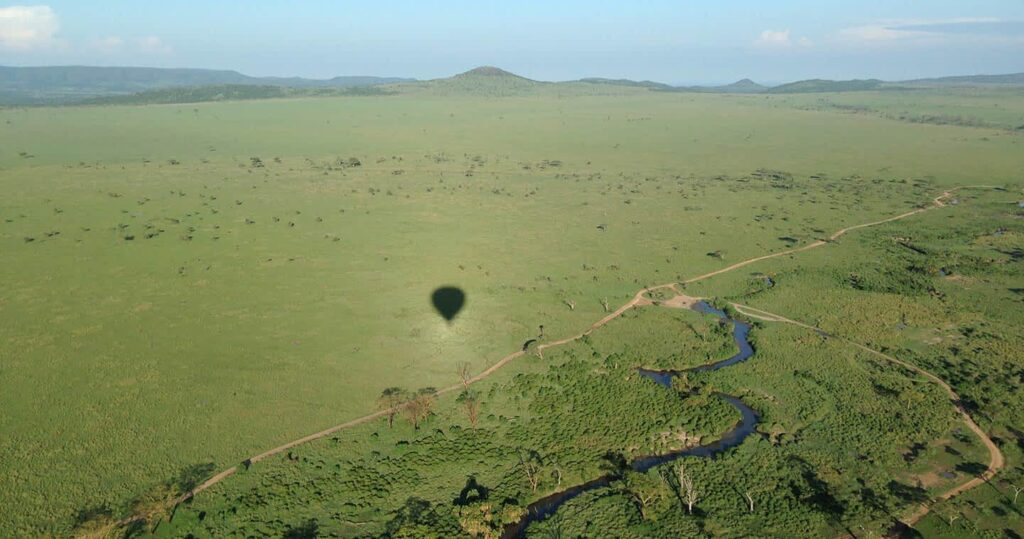
Balloon flight in Seronera

Central Serengeti; Seronera

Very few travelers attempt more than two of these four regions in a single trip, and for good reason: the internal flight connections between, say, the Northern and Southern Circuits add a full day of logistics for relatively little added wildlife variety, since both regions offer strong lion, elephant, and buffalo viewing. The more common and more rewarding combination pairs one Tanzania circuit with a genuinely different kind of experience entirely, a Zanzibar beach finale, a Kilimanjaro climb, or, for a growing number of serious wildlife travelers, mountain gorilla trekking in Rwanda, which delivers an intimate, on-foot forest encounter that no Tanzania circuit, however excellent, can replicate.

Circuit Core Parks Character Best For
Northern Circuit Serengeti, Ngorongoro, Tarangire, Lake Manyara Iconic, well-serviced, migration-focused First-time visitors, the Great Migration, and efficient Big Five viewing
Southern Circuit Ruaha, Nyerere (Selous) Remote, low-density, boat and walking safaris Repeat travelers, solitude, wild dog and lion density
Western Circuit Mahale, Gombe Extremely remote; chimpanzee-focused Primate specialists; travelers who have done the north already
Zanzibar & Coast Unguja Island Beach, culture, diving A relaxing finale after a wildlife-heavy itinerary

The Northern Circuit: Serengeti, Ngorongoro, Tarangire, and Lake Manyara.

The Northern Circuit is Tanzania’s oldest, most developed, and most visited safari region, and it earns that popularity honestly: within a routing of a few hundred kilometers, it delivers the Great Migration, the closest thing in Africa to a guaranteed single-day Big Five sighting, and two smaller parks that reward even a brief stop. Most Northern Circuit itineraries move between these parks overland via Arusha and the town of Karatu or fly directly between the region’s network of airstrips, and the sequencing of which park comes first depends almost entirely on where the migration happens to be during your travel dates.

Serengeti National Park: The Great Migration
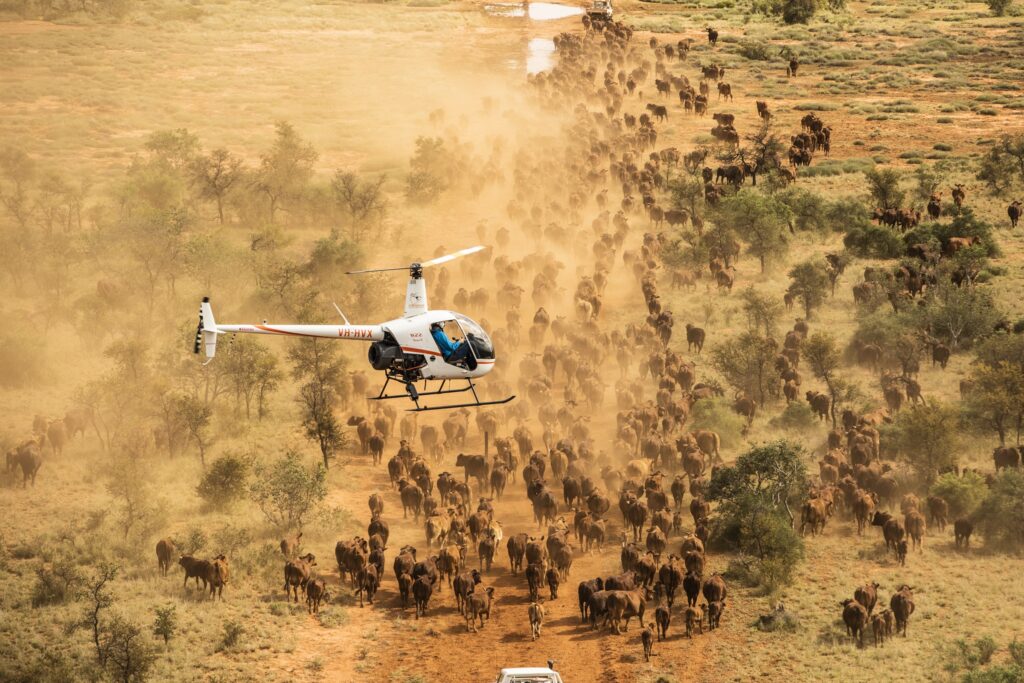
Serengeti National Park 2027: The Complete Migration Guide

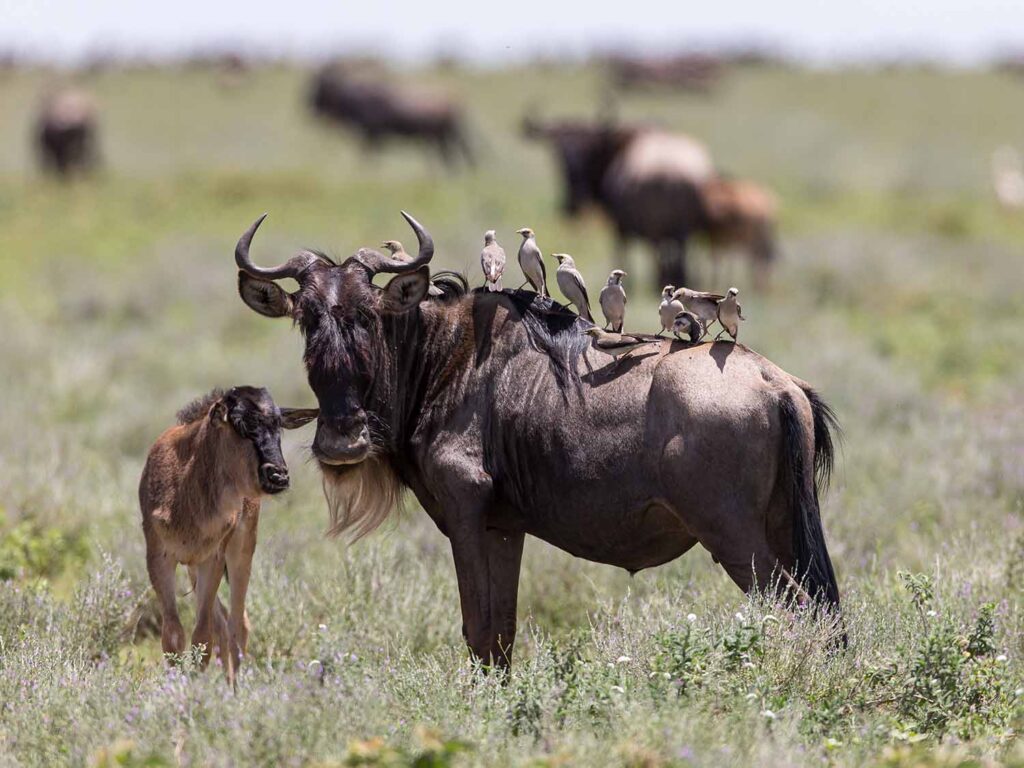
The Serengeti is the reason most people book a Tanzania safari in the first place, a 14,750-square-kilometer wilderness that protects the largest intact land migration left on Earth: a continuous, weather-driven circuit of roughly 1.5 million wildebeest, some 400,000 zebra, and several hundred thousand gazelle. Gazetted in 1951 as Tanzania’s first national park and inscribed as a UNESCO World Heritage Site in 1981, the Serengeti divides into four genuinely distinct regions: Seronera’s year-round resident wildlife, Ndutu’s December-to-March calving season, the Western Corridor’s May-to-June Grumeti River crossings, and the northern Kogatende sector’s July-to-October Mara River crossings, and choosing the right region for your travel dates matters more to the quality of your safari than which specific lodge you book within it. Our full Serengeti National Park guide breaks down the month-by-month migration calendar, park entry fees, and how the region compares to Ngorongoro Crater and Kenya’s Masai Mara in far greater detail than this overview allows.

Ngorongoro Crater: The Big Five Caldera
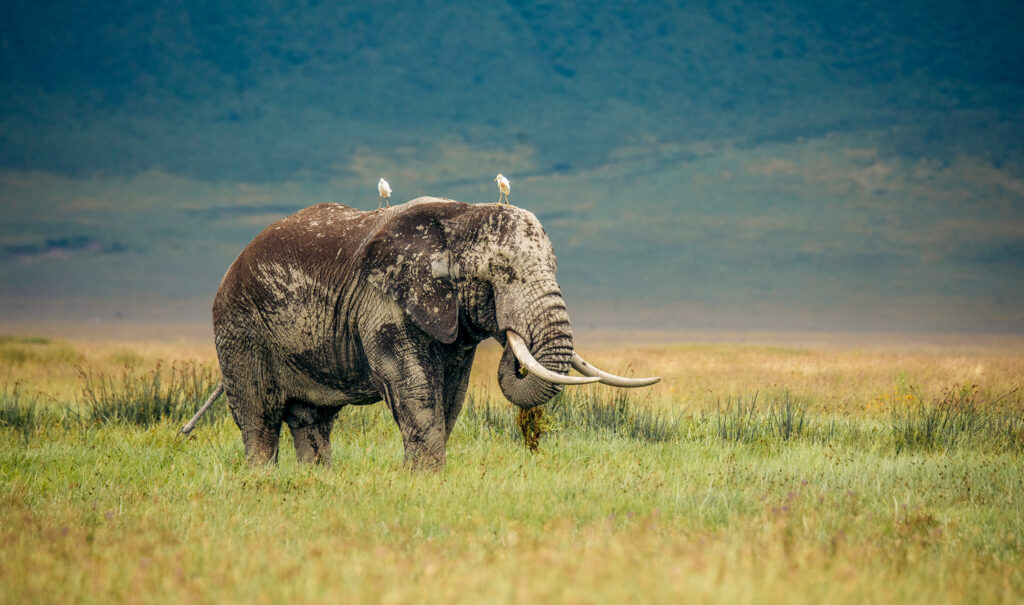
Ngorongoro Crater Safari Guide: Big Five, Cost & Best Time

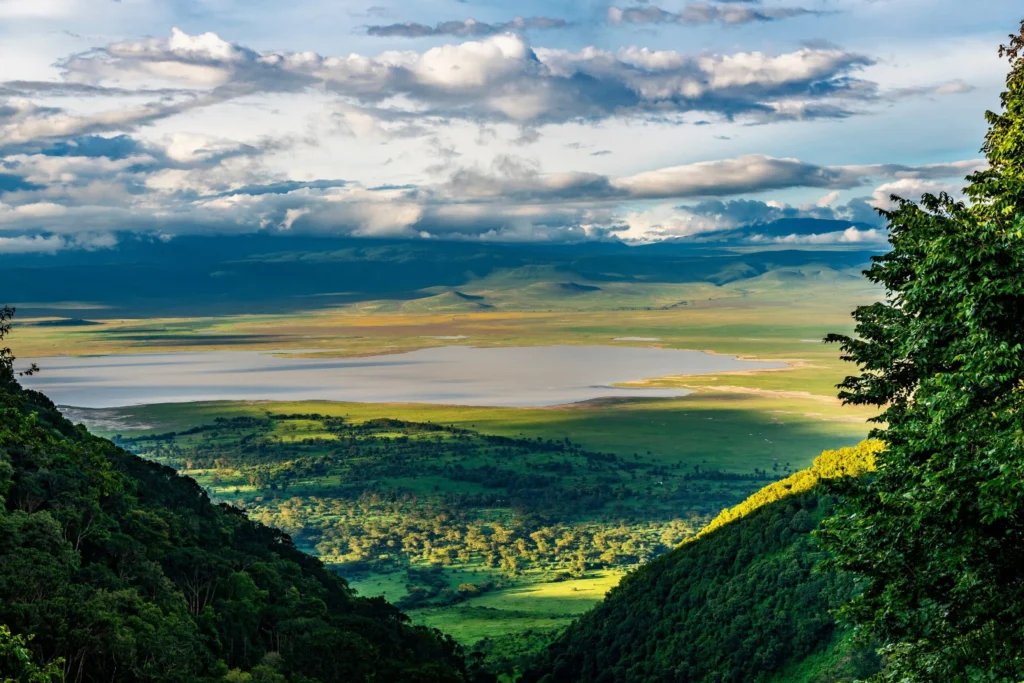
Ngorongoro Crater is the world’s largest intact, unfilled volcanic caldera, a collapsed stratovolcano roughly 260 square kilometers across that holds an estimated 25,000 to 30,000 resident large mammals within its unbroken walls year-round, including all five of Africa’s Big Five species. Because the crater’s wildlife does not migrate out the way the Serengeti’s herds do, Ngorongoro delivers consistent, high-density game viewing in every month of the year, which makes it the natural pairing for a Serengeti safari rather than a competitor to it: most travelers spend a single full day, one six-hour descent onto the crater floor, before continuing on to the wider Serengeti ecosystem. Our dedicated Ngorongoro Crater safari guide covers the full fee structure, the crater’s six-hour floor rule, and where to stay along the rim.

Tarangire National Park: Tanzania’s Elephant Stronghold

Tarangire is the Northern Circuit’s most underrated park, overshadowed by its two famous neighbors despite holding one of the densest elephant populations in Tanzania and a landscape defined by ancient, swollen-trunked baobab trees rather than open grassland. The park’s dry season, from June to October, concentrates elephant herds along the Tarangire River and Silale Swamp in some of the most dramatic elephant viewing in East Africa, while the November-to-May wet season scatters wildlife more widely but transforms Tarangire into one of Tanzania’s strongest birding destinations, with more than 550 recorded species and a peak migratory window from November to April. Just a two-hour drive from Arusha, Tarangire is frequently used as either an opening or closing chapter to a Northern Circuit itinerary, a lower-key counterpoint to the crowds of peak-season Serengeti and Ngorongoro.

Lake Manyara National Park: Tree-Climbing Lions and Flamingos

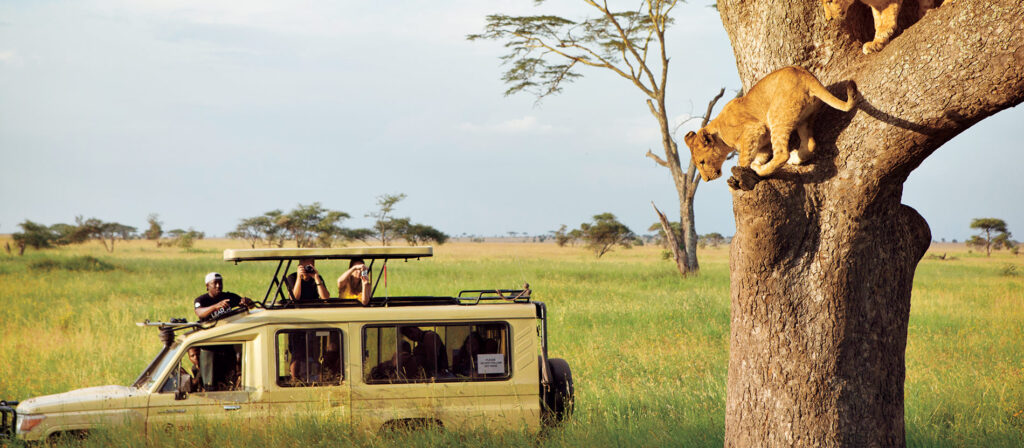
Lake Manyara is small by Tanzanian standards, just 330 square kilometers, of which up to 200 square kilometers is the lake itself at high water, but it packs a surprising range of habitat, groundwater forest, acacia woodland, hot springs, and an alkaline soda lake, into a narrow strip squeezed beneath the Great Rift Valley escarpment. The park is one of only two places in East Africa, alongside Uganda’s Ishasha sector, where lions have developed the unusual habit of climbing into acacia and fig trees, a behavior researchers still debate but most often attribute to escaping ground-level heat and biting flies. When water levels are right, Lake Manyara’s shallow, alkaline shoreline draws flamingos in the hundreds of thousands, turning the water’s edge a vivid pink, and the park’s dense groundwater forest supports one of Tanzania’s largest concentrations of baboons and elephants. Most itineraries treat Manyara as a half-day stop between Arusha and the rest of the Northern Circuit rather than a stand-alone destination, and it works well in exactly that role.

The Southern Circuit: Ruaha and Nyerere National Park

Tanzania’s Southern Circuit exists for a specific kind of traveler: one who has either already done the Northern Circuit or who values solitude and genuine wilderness over guaranteed convenience. Ruaha and Nyerere National Park together form a protected landscape of more than 50,000 square kilometers, and despite that scale, the region receives a small fraction of the Northern Circuit’s visitor numbers, which translates directly into a different quality of wildlife encounter: game drives without another vehicle in sight, and activities, walking safaris and river safaris in particular, that are far more restricted or entirely unavailable in the busier north.

Ruaha National Park
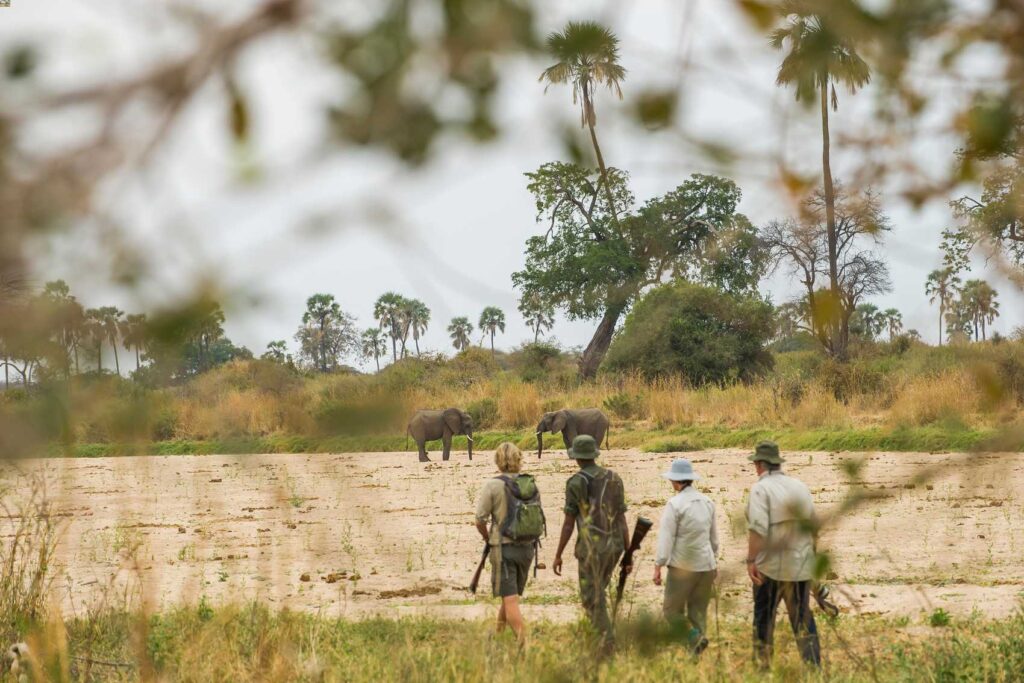
Ruaha National Park

Ruaha is Tanzania’s second-largest national park and one of the most important elephant strongholds in East Africa, with an estimated elephant population running from roughly 8,000 to 12,000 individuals depending on the survey cited, alongside lion prides that some conservationists estimate hold close to 10 percent of the world’s remaining wild lion population. The park’s baobab-studded, rugged landscape sits at the convergence of eastern and southern African wildlife zones, which produces an unusual species list for a single park: greater and lesser kudu, sable and roan antelope, and East Africa’s most reliable sightings of African wild dog, alongside the classic Big Five. Ruaha is reached by scheduled light aircraft from Dar es Salaam or Arusha, typically one and a half to two hours, and its remoteness keeps accommodation firmly in the tented-camp category rather than large lodges.

Nyerere National Park (Formerly the Selous Game Reserve)

Nyerere National Park, carved out of the northern section of the former Selous Game Reserve and renamed in 2019, became Tanzania’s largest national park at 30,893 square kilometers, roughly the size of Belgium, and its defining feature is the Rufiji River, whose network of channels, oxbow lakes, and floodplains supports one of Africa’s largest concentrations of hippo and crocodile. Nyerere is the one part of Tanzania’s safari landscape where boat safaris are a signature activity rather than an occasional add-on; gliding along the Rufiji at sunset past elephants crossing between islands is an experience the Northern Circuit’s vehicle-bound game drives cannot offer.

Lion prides here can number twenty or more individuals, among the largest documented anywhere on the continent, and Nyerere’s accessibility, a short scheduled flight from Dar es Salaam, makes it the more logistically convenient of the two southern parks for travelers with limited time. A well-designed Southern Circuit itinerary typically allocates three to four nights each to Ruaha and Nyerere, choosing Nyerere for the river experience and Ruaha for maximum wildlife density and walking safaris.

The Western Circuit: Chimpanzee Trekking at Mahale and Gombe

Tanzania’s far west, on the shores of Lake Tanganyika, the world’s second-deepest lake, holds a wildlife experience found almost nowhere else on the continent: wild chimpanzee trekking through the forested slopes of the Mahale Mountains. Mahale Mountains National Park protects one of the largest habituated wild chimpanzee populations in Africa, with several hundred individuals split across multiple communities, most famously the long-studied M-group, which has been monitored by Kyoto University researchers since 1965. The park is one of only two chimpanzee trekking destinations in Tanzania, alongside the smaller Gombe Stream National Park further north on the same lake, made famous by Jane Goodall’s pioneering research, and it is one of the very few places on Earth where wild chimpanzees and lions share the same protected landscape.
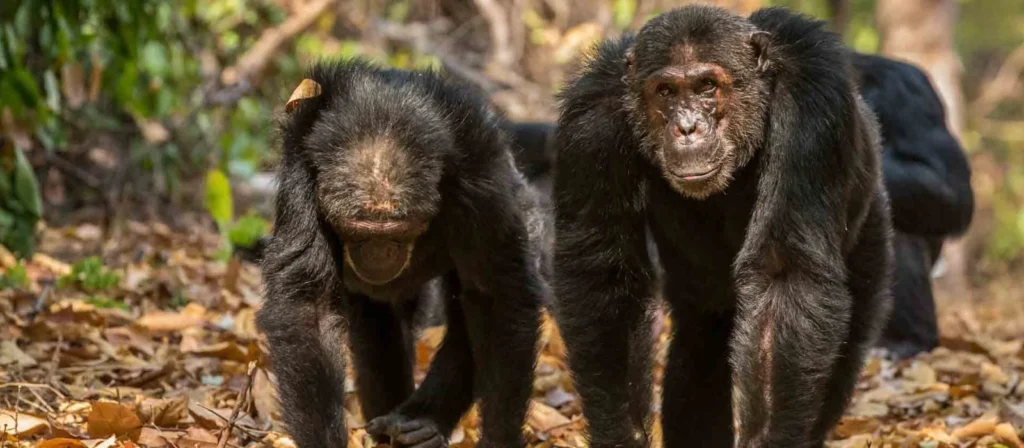
Mahale Mountains National Park

Mahale is entirely inaccessible by road; the only way in is by boat across Lake Tanganyika or by light aircraft to a nearby airstrip followed by a boat transfer, and most camps set a minimum three- or four-night stay given the effort required to reach it. Between forest treks for chimpanzees, Lake Tanganyika itself offers swimming, snorkeling among hundreds of endemic cichlid fish species, and simple beach relaxation on white sand, a genuinely unusual pairing of primate trekking and lake-shore leisure in a single remote location. The Western Circuit sits at the far end of the bespoke, high-budget spectrum of Tanzania travel and is best suited to travelers who have already covered the Northern Circuit and are specifically seeking a primate encounter to sit alongside their memories of the Serengeti’s plains or of mountain gorilla trekking in Rwanda.

Plan Your Rwanda Safari

Start Planning a Private Gorilla Trek

Rwanda gorilla permits sell out months in advance. Secure your dates before the season closes.

Zanzibar and the Swahili Coast: The Beach Half of a Tanzania Safari.

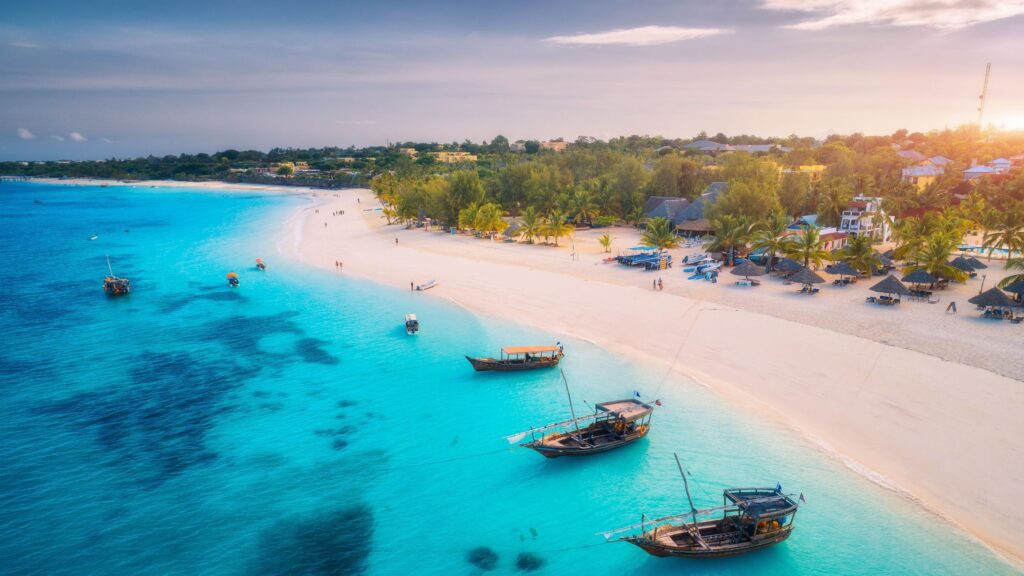
For a substantial share of Tanzania travelers, the safari is only half the trip, and Zanzibar is where the second half happens. The semi-autonomous archipelago lies 25 to 50 kilometers off Tanzania’s eastern coastline and is best known for the coral-sand beaches of Nungwi, Kendwa, and Matemwe; the UNESCO-listed Stone Town; and the Zanzibar red colobus monkey, a primate found nowhere else on Earth and protected within Jozani Chwaka Bay National Park. Zanzibar’s coastline is not uniform: the north around Nungwi and Kendwa stays swimmable at virtually any tide, while the southeast around Paje experiences dramatic tidal swings that expose wide sand flats twice daily, a distinction that should weigh heavily on where you book depending on whether swimming access or kitesurfing wind matters more to your trip.

Zanzibar Travel Guide: Beaches, Stone Town & Getting There

Reaching Zanzibar from a Northern Circuit safari typically means a short domestic flight from Arusha or the Serengeti to Zanzibar’s Abeid Amani Karume International Airport (ZNZ), while travelers coming from Rwanda now have a considerably easier option: RwandAir’s direct, non-stop Kigali-to-Zanzibar flight, launched in December 2025, cuts what used to be a multi-stop connection down to a single two-and-a-half-hour hop. Our full Zanzibar travel guide covers the island’s beaches, costs, visa requirements, and the best coastal base for your itinerary in complete detail.

The Great Migration Calendar: Where the Herds Are, Month by Month

The Great Migration is a continuous, circular movement of close to 1.5 to 2 million wildebeest, zebra, and gazelle that has no true starting point and never fully stops, but for planning purposes it breaks into four broad phases, and matching your travel dates to the right phase is the single most consequential decision in planning a Northern Circuit safari. Because the herds follow rainfall rather than a fixed script, exact dates shift by two to four weeks in either direction each year, which is why experienced guides speak in terms of windows rather than calendar promises.

Serengeti Wildebeest Calving Season

From roughly December through March, the herds concentrate on the short-grass plains of the southern Serengeti and the neighboring Ndutu area for calving season, with as many as 8,000 calves born in a single day at the January-to-February peak, drawing intense predator activity and, in the view of many guides who work the ecosystem year-round, delivering the finest predator viewing of the entire calendar with a fraction of the crowds of the July-to-September crossing season. From April through June, the herds move northwest through the central Serengeti and into the Western Corridor, coinciding with Tanzania’s long rains and the year’s lowest visitor numbers and lodge rates, before gathering for the Grumeti River crossings around June. From July through October, the migration reaches its headline chapter: the northern push into the Kogatende sector and the Lamai Wedge, and the chaotic, crocodile-contested Mara River crossings that supply most of the wildlife photography associated with East Africa; September is frequently cited by guides working the northern sector as the best month to balance active crossings against crowd levels, typically 30 to 40 percent quieter than the August peak. From November, the short rains arrive, and the herds turn back south and east, retracing their route toward the calving grounds as the cycle begins again; it is a genuinely underrated month, with light, afternoon-focused rainfall and lodge rates at some of their lowest points of the year.

The Best Time to Visit Tanzania

There is no single best month for a Tanzania safari, because the right answer depends entirely on what you most want to see and which circuit you are visiting. Tanzania’s climate follows two rainy seasons, the long rains from roughly March to May and the short rains in November, bracketing two drier windows that account for most of the year’s visitor traffic. Ngorongoro Crater and the Southern Circuit’s resident wildlife are strong choices in any month, since neither depends on a migrating herd, while a Serengeti itinerary should be built specifically around the migration phase you most want to witness, calving in the south and crossings in the north, rather than a generic best time.

Best time for gorilla trekking.

Season Months Conditions Best For
Calving season December – March Warm, greening as short rains taper Southern Serengeti / Ndutu; predator action; moderate crowds
Long rains Late March – May Heaviest rainfall; muddy tracks Lowest crowds and rates of the year; Western Corridor push
Dry / peak season June – October Dry, dusty, clear skies Mara River crossings; Tarangire elephants; Ngorongoro; book 12–18 months ahead for Jul–Sep
Short rains November Light, mostly afternoon rain Underrated value month; herds returning south

Getting to Tanzania: Flights, Visas, and Entry Requirements

Nearly every international traveler reaches Tanzania’s Northern Circuit via Kilimanjaro International Airport (JRO) near Arusha, while the Southern and Western Circuits are typically reached via Dar es Salaam’s Julius Nyerere International Airport followed by a scheduled light aircraft connection. There are currently no direct flights to Kilimanjaro from the United States, Canada, Australia, or most of Asia, so travelers from these markets connect through a European or Middle Eastern hub: KLM operates a daily direct flight from Amsterdam, Qatar Airways flies direct from Doha, Turkish Airlines connects via Istanbul, Ethiopian Airlines via Addis Ababa, and Brussels Airlines flies direct from Brussels, with seasonal direct service also available from Zurich (Edelweiss), Paris (Air France), and Milan (Neos). Because most of these international flights land at Kilimanjaro late in the evening, an overnight stay in Arusha before continuing on to the parks is standard practice rather than an inconvenience to avoid.

Most international visitors require a visa to enter Tanzania, priced at USD 50 for the majority of passport holders or USD 100 for US citizens, issued as a multiple-entry visa either in advance through Tanzania’s official e-visa portal or on arrival at Kilimanjaro International Airport for eligible nationalities. This single visa covers both mainland Tanzania and Zanzibar, though Zanzibar has separately required all visitors to carry mandatory travel insurance since October 2024, administered as a tourism levy of roughly USD 60 per person, layered on top of the standard visa rather than replacing it. Citizens of East African Community member states, including Rwanda, Uganda, Kenya, Burundi, and South Sudan, are exempt from the tourist visa requirement entirely, a detail worth noting for travelers building a multi-country itinerary. A yellow fever vaccination certificate is required if arriving from, or transiting for more than twelve hours through, a yellow fever endemic country, a category that includes Rwanda, so travelers routing a gorilla trek before their Tanzania safari should carry this documentation.

Within Tanzania, most Northern Circuit connections between parks are handled either by scheduled light aircraft, operated by carriers such as Coastal Aviation, Grumeti Air, and Safari Air Link, linking a network of park airstrips, or by overland transfer in a 4×4 safari vehicle. The classic overland route from Arusha to the Serengeti’s Seronera area covers roughly 325 kilometers and takes approximately eight hours, which is why nearly every drive-in itinerary breaks the journey with an overnight near Ngorongoro Crater rather than attempting it in a single day. A domestic flight between Arusha and a Serengeti airstrip runs closer to one to two and a half hours depending on the destination and is the option most luxury itineraries default to given the time saved.

Plan Your Rwanda Safari

Start Planning a Private Gorilla Trek

Rwanda gorilla permits sell out months in advance. Secure your dates before the season closes.

What a Tanzania Safari Costs: Park Fees, Lodges, and Total Budgets.

Tanzania safari costs break into three distinct layers: government park and conservation fees, accommodation, and internal transport, and understanding each separately makes the total quotation far easier to evaluate. Government fees are largely fixed and non-negotiable regardless of which operator you book with: The Serengeti’s non-resident entry fee runs approximately USD 70 to 83 per person per 24-hour period plus an 18 percent VAT, while Ngorongoro’s Conservation Area entry adds roughly USD 70.80 per person plus a separate USD 295 per-vehicle crater descent fee, and most in-park lodges add a concession or bed-night fee of USD 59 to 71 per person, per night, on top of the entry fee itself.

Ngorongoro Crater Safari Guide: Big Five, Cost & Best Time

Accommodation is where the widest cost variation, and the widest quality variation, actually happens. A comfortable, well-run tented camp in the Northern Circuit typically runs from roughly USD 400 to 800 per person, per night on a full-board basis, while the continent’s most exclusive fly-in camps, particularly in the northern Serengeti during crossing season or in the Southern Circuit’s more remote properties, command USD 1,200 to well over USD 2,500 per person, per night. Internal flights between park airstrips typically cost USD 150 to 350 per person, per sector, and a multi-park Northern Circuit itinerary with two or three internal flights should budget accordingly. Taken together, a realistic mid-range Northern Circuit safari of six to eight nights runs from roughly USD 4,500 to 8,000 per person, while a genuinely high-end, fully fly-in Northern Circuit itinerary with the region’s benchmark luxury camps runs from USD 10,000 to well over USD 20,000 per person, depending on season and the number of parks covered. Southern Circuit itineraries of similar length often run slightly lower on a like-for-like basis, roughly USD 4,500 to 9,000 per person for seven days, reflecting both the region’s typically smaller camps and its lower government fee structure.

For travelers combining Tanzania with a Rwanda gorilla trek, the single largest fixed cost on the Rwanda side is the USD 1,500 gorilla trekking permit, issued by the Rwanda Development Board, with a combined 12-to-16-day, two-country itinerary typically running from roughly USD 10,000 to over USD 20,000 per person depending on lodge tier and the number of regions covered in each country. We provide fully itemized quotations covering the Rwanda leg of any combined itinerary so there are no hidden costs once your dates are confirmed; explore the full range of Rwanda safari experiences and Rwanda safari styles that pair naturally with a Tanzania extension.

Where to Stay: Tanzania’s Luxury Lodge Landscape

Tanzania’s accommodation landscape ranges from simple public campsites to some of the most architecturally ambitious safari camps on the continent, and the right choice depends almost entirely on which region and season match your travel dates rather than a fixed hierarchy of best properties. In the central Serengeti around Seronera, properties such as Four Seasons Safari Lodge Serengeti and Lemala Ewanjan Camp offer a year-round base with the widest lodge choice and reliable resident wildlife; the Western Corridor is anchored by Singita Grumeti Reserves, one of the largest privately managed conservation areas bordering the park, with its Sasakwa, Faru Faru, and Sabora camps; and the remote northern sector around Kogatende and the Lamai Wedge holds the most exclusive properties in the ecosystem, including Nomad’s Lamai Serengeti and &Beyond Serengeti Under Canvas, positioned specifically for the Mara River crossings.

&Beyond Ngorongoro Crater Lodge

&Beyond Ngorongoro Crater Lodge

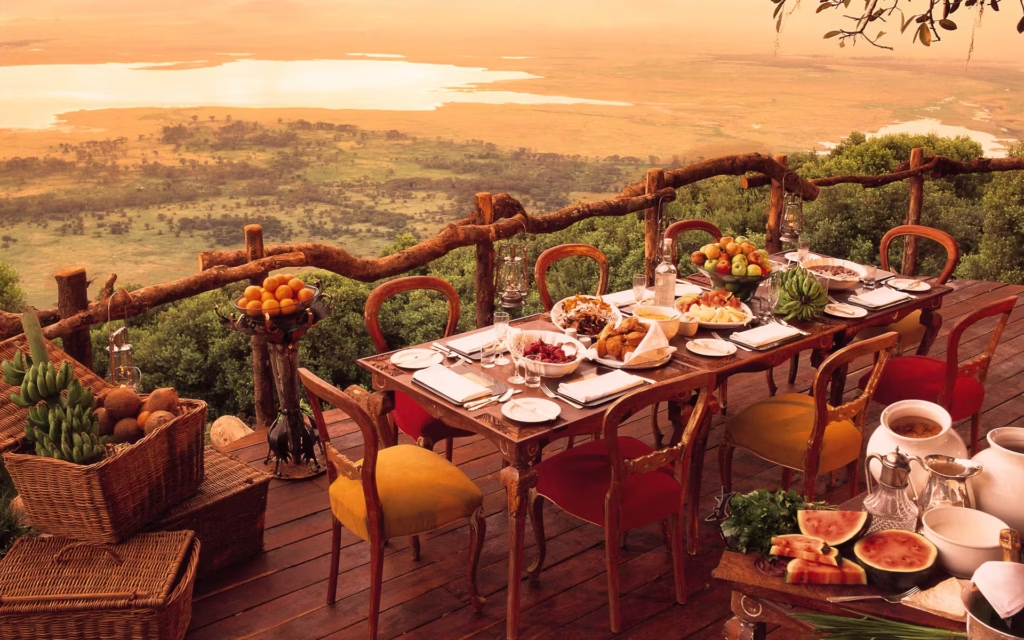
On the Ngorongoro Crater rim, Ngorongoro Serena Safari Lodge and Ngorongoro Sopa Lodge anchor the more established end of the market, while Asilia’s The Highlands and Entamanu Ngorongoro offer a more intimate, less conventional style of luxury camp on the neighboring highlands. The renowned &Beyond Ngorongoro Crater Lodge, among the most extravagant safari properties on the continent, is currently undergoing a full refurbishment through early 2027, so travelers hoping to stay there should confirm its reopening status before finalizing a rim itinerary. In the Southern Circuit, Asilia’s Jabali Ridge and Kwihala Camp in Ruaha, and Nomad’s Kigelia Ruaha and Sand Rivers Selous in Nyerere National Park, represent the region’s benchmark properties, generally smaller and more intimate than their Northern Circuit counterparts. In Zanzibar, Kilindi Zanzibar and Zuri Zanzibar anchor the island’s north-coast luxury tier, while The Residence Zanzibar on the east-central coast offers a full-service beach club experience; our Zanzibar travel guide covers the full lodge landscape by coastal zone. For travelers whose itinerary also includes Rwanda, the lodge landscape around Volcanoes National Park, Singita Kwitonda Lodge, Wilderness Bisate, One&Only Gorilla’s Nest, and Wilderness Sabyinyo Silverback Lodge, is comparable in caliber to anything found in Tanzania and is covered in full in our Volcanoes National Park guide.

What to Pack for a Tanzania Safari

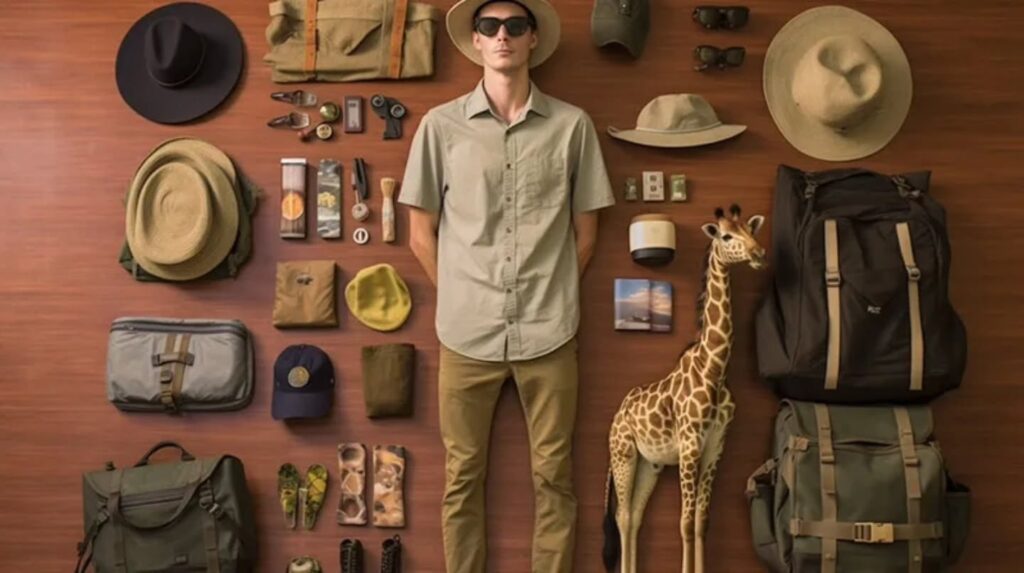
Packing for a Tanzania safari is a fundamentally different exercise from packing for mountain gorilla trekking in Rwanda: this is vehicle-based, open-plains travel rather than forest hiking, so the priorities shift from waterproof boots and gaiters to sun protection, optics, and layers for cool early-morning game drives that warm quickly once the sun clears the horizon. Neutral-colored clothing in khaki, olive, and stone tones works best, avoiding bright colors and dark blacks or navy that can attract tsetse flies in certain areas, and a warm fleece or packable jacket is essential for pre-dawn departures, when temperatures on the open plains or the Ngorongoro rim can drop into the single digits Celsius before warming into the high teens or mid-20s by mid-morning.

What to Pack and Wear for a Ngorongoro Crater Safari

A wide-brimmed hat, sunglasses, and high-SPF sunscreen are non-negotiable given the intensity of the equatorial sun on open grassland, even on overcast days, and binoculars, ideally one pair per traveler rather than shared, matter considerably more here than on a forest-based trek, since much of Tanzania’s wildlife viewing happens at genuine distance across open country. A camera with a telephoto lens of at least 200 mm, spare batteries, and ample memory card storage is worth the extra luggage weight for both game drives and any hot air balloon safari, and comfortable closed walking shoes are useful for the limited guided bush walks available in permitted areas. Malaria prophylaxis, discussed with a travel medicine specialist in advance, is generally advised for Tanzania’s lower-elevation safari areas, which carry meaningfully higher malaria risk than Rwanda’s high-altitude gorilla trekking zones in Volcanoes National Park.

Health, Safety, and Practical Preparation

Tanzania is a well-established, professionally managed safari destination visited by well over a million international travelers each year, and standard safari safety protocols, staying inside vehicles during game drives except at designated points, following ranger and guide instructions, and respecting minimum wildlife distances, are consistently and effectively enforced across both the Northern and Southern Circuits. As with any wildlife destination, the primary practical risks are environmental rather than security-related: malaria prophylaxis is generally recommended for the country’s lower-elevation safari areas, and a yellow fever vaccination certificate is required for travelers arriving from or transiting through an endemic country. Standard travel vaccinations recommended for East Africa more broadly include hepatitis A and B, typhoid, and, for wildlife-focused travelers, rabies; a pre-departure consultation with a travel medicine specialist is worth scheduling several weeks ahead of your trip rather than in the final days before departure. Reputable ground operators brief every guest thoroughly on health and safety before travel, and any combined Rwanda-and-Tanzania itinerary should include a checklist covering both countries’ specific entry and vaccination requirements, since they are administered by separate governments with separate rules.

Pairing a Tanzania Safari with Rwanda Gorilla Trekking

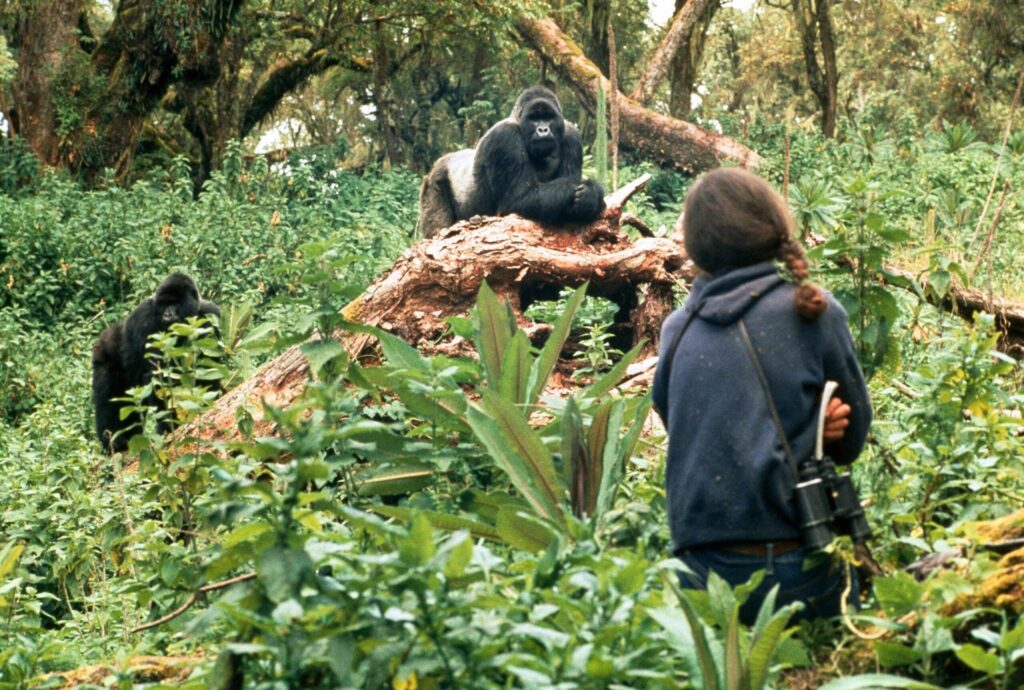
An increasing number of serious wildlife travelers researching where to go in East Africa end up booking both Rwanda and Tanzania rather than choosing between them, and the two countries are genuinely complementary rather than competing destinations. Mountain gorilla trekking in Rwanda’s Volcanoes National Park is an intimate, on-foot forest encounter with an endangered great ape at close range, capped at eight visitors per gorilla family and one hour of observation; a Tanzania safari is an open-plains, vehicle-based experience measured in thousands or millions of animals rather than dozens. The two journeys draw on entirely different registers of wildlife travel, and routed correctly through Kigali and Kilimanjaro, they combine comfortably into a single 12-to-16-day East Africa circuit that most experienced travelers describe as delivering the continent’s two most distinct wildlife experiences without a wasted travel day.

Mountain Gorilla Conservation in Rwanda: The Full 2027 Guide

Sequencing matters more than most first-time planners expect. Most experienced travelers tackle gorilla trekking first, while still physically fresh, since it is the more demanding of the two activities, a walk that can run from thirty minutes to five hours through steep, dense forest, and then transition into the largely vehicle-based, lower-exertion game drives of the Tanzania circuit. The connection itself typically routes from Kigali through Nairobi to Kilimanjaro or Arusha and should be budgeted as a half-day to full-day connection with a comfortable buffer rather than scheduled back-to-back with a morning gorilla trek. Because Rwanda’s gorilla permits are date-specific and allocated by the Rwanda Development Board on a first-booked basis, we generally recommend confirming the gorilla trekking dates first, then building the Tanzania portion of the trip around them, a sequencing decision that avoids the more common planning mistake of locking in Tanzania camps first only to find no permit availability on the matching Rwanda dates.

Rwanda Gorilla Expeditions specializes in the Rwanda half of exactly this kind of journey, securing gorilla permits directly with the Rwanda Development Board, matching you to the right gorilla family, and coordinating the cross-border routing and timing so that a confirmed gorilla permit date and your chosen Tanzania circuit’s best season actually line up on the calendar rather than working against each other. Our Luxury Rwandan Primate Safari and Best of Rwanda’s National Parks itineraries are both routed to end in Kigali, making a same-day or next-day connection to Tanzania or Zanzibar genuinely realistic, and for travelers who want the forest primates of both countries in one trip, our Rwanda vs. Uganda gorilla trekking comparison is a useful starting point for understanding how a third-country primate stop might fit alongside a Tanzania safari as well.

Plan Your Rwanda Safari

Start Planning a Private Gorilla Trek

Rwanda gorilla permits sell out months in advance. Secure your dates before the season closes.

Frequently Asked Questions About Tanzania Safaris

What is Tanzania known for on safari?

Tanzania is best known for the Great Migration, the year-round, circular movement of roughly 1.5 million wildebeest and hundreds of thousands of zebra and gazelle across the 14,750-square-kilometer Serengeti, and for Ngorongoro Crater, a collapsed volcano that packs all five of Africa’s Big Five species into a single 260-square-kilometer bowl. Beyond these two headline destinations, Tanzania holds 22 national parks, the remote Southern Circuit of Ruaha and Nyerere, wild chimpanzee trekking at Mahale on Lake Tanganyika, and the Zanzibar archipelago as a beach extension. It is consistently ranked among the top two or three safari countries in Africa alongside Kenya and Botswana, largely on the strength of the Serengeti-Ngorongoro combination.

How much does a Tanzania safari cost?

A realistic mid-range Northern Circuit safari of six to eight nights runs from roughly USD 4,500 to 8,000 per person, while a fully fly-in luxury itinerary with the region’s benchmark camps runs from USD 10,000 to well over USD 20,000 per person depending on season and the number of parks covered. This covers accommodation, guiding, park fees, and internal flights but typically excludes international flights, visas, tips, and travel insurance. Government park fees alone run to roughly USD 70 to 83 per person per day in the Serengeti, plus a separate USD 295 per-vehicle fee to descend into Ngorongoro Crater, figures that stay constant regardless of which operator you book with.

What is the best time of year for a Tanzania safari?

The best time depends on what you most want to see: the January-to-February calving season on the southern Serengeti plains delivers the year’s most concentrated predator action, the June-to-October dry season delivers the classic Mara River crossing imagery and the most reliable Ngorongoro and Tarangire game viewing, and March-to-May offers the lowest crowds and rates of the year at the cost of muddier tracks. Ngorongoro Crater and the Southern Circuit’s resident wildlife are strong choices in any month, since neither depends on a migrating herd the way a Serengeti-only safari does.

How many days do I need for a Tanzania safari?

Six to eight days is the realistic minimum for a satisfying Northern Circuit safari covering the Serengeti and Ngorongoro Crater, since a single overnight in either region leaves little margin if a crossing or a specific sighting takes an extra day to materialize. Ten to twelve days allows a Zanzibar beach extension to be added without rushing the safari portion, and travelers combining Tanzania with Rwanda gorilla trekking typically budget 12 to 16 days for the full two-country circuit, with the Serengeti and Ngorongoro portion alone usually accounting for five to seven of those days.

What is the difference between the Serengeti and Ngorongoro Crater?

The Serengeti spans roughly 14,750 square kilometers of largely open plains and hosts a mostly migratory wildlife population defined by the Great Migration, while Ngorongoro Crater concentrates a comparable variety of species inside a single, enclosed 260-square-kilometer volcanic bowl where the wildlife is essentially resident year-round. This makes Ngorongoro the more reliable single-day Big Five destination, while the Serengeti rewards a longer, more exploratory stay with a wider range of landscapes and, for much of the year, the migration itself. Most Northern Circuit itineraries visit both rather than choosing between them, and our full Ngorongoro Crater guide and Serengeti National Park guide cover each destination in detail.

What is the difference between the Northern and Southern Safari Circuits?

The Northern Circuit, the Serengeti, Ngorongoro, Tarangire, and Lake Manyara, is Tanzania’s most developed and most visited safari region, offering the widest choice of flights, lodges, and the Great Migration itself. The Southern Circuit, built around Ruaha and Nyerere National Park, covers a comparably vast area, over 50,000 square kilometers combined, but receives a fraction of the visitor numbers, which translates into genuinely uncrowded game drives, walking safaris, and, in Nyerere’s case, boat safaris on the Rufiji River that the Northern Circuit generally cannot offer. Most first-time visitors choose the Northern Circuit; repeat travelers and those who specifically value solitude over convenience increasingly choose the south.

Do I need a visa to visit Tanzania?

Most international visitors require a Tanzania tourist visa, priced at USD 50 for the majority of passport holders or USD 100 for US citizens, obtainable in advance through Tanzania’s official e-visa portal or on arrival at Kilimanjaro International Airport for eligible nationalities. This single visa covers both mainland Tanzania and Zanzibar. Citizens of East African Community member states, including Rwanda, Uganda, Kenya, Burundi, and South Sudan, are exempt from the tourist visa requirement. Travelers combining Tanzania with a Rwanda gorilla trek should note that the two countries maintain entirely separate visa regimes, so a Rwanda visa does not cover entry into Tanzania.

How do I get to Tanzania, and is there a direct flight from the US?

Most international travelers fly into Kilimanjaro International Airport (JRO) near Arusha for the Northern Circuit or Dar es Salaam’s Julius Nyerere International Airport for the Southern and Western Circuits. There are currently no direct flights to Tanzania from the United States, Canada, Australia, or most of Asia, so travelers from these markets connect through a hub such as Amsterdam (KLM), Doha (Qatar Airways), or Istanbul (Turkish Airlines). Travelers already in Rwanda can reach Kilimanjaro via a Nairobi connection in roughly half a day and Zanzibar directly via RwandAir’s non-stop Kigali flight.

Is Tanzania safe for tourists?

Yes, Tanzania is a well-established, professionally managed safari destination visited by well over a million international travelers each year, and the country’s Northern Circuit in particular is one of Africa’s most heavily resourced tourism corridors. Standard safari safety protocols consistently enforce staying inside vehicles during game drives, following ranger and guide instructions, and respecting minimum wildlife distances. As with most wildlife destinations, the primary practical risks are environmental rather than security-related, chiefly malaria in lower-elevation safari areas, and a reputable operator will brief every guest thoroughly before travel.

Can I combine a Tanzania safari with gorilla trekking in Rwanda?

Yes, and this is one of the most requested combinations in East African luxury travel. Mountain gorilla trekking in Rwanda’s Volcanoes National Park delivers an intimate, on-foot forest encounter capped at eight visitors per gorilla family, while a Tanzania safari delivers open-plains wildlife viewing on an entirely different scale, and routed through Kigali and Kilimanjaro, the two experiences combine comfortably into a single 12-to-16-day itinerary. Because Rwanda’s gorilla permits are date-specific and allocated on a first-booked basis, we generally recommend confirming the gorilla trekking dates first, then building the Tanzania portion of the trip around them. Rwanda Gorilla Expeditions coordinates the Rwanda side of exactly this kind of combined journey.

What should I pack for a Tanzania safari?

Pack neutral-colored clothing in khaki, olive, and stone tones, a warm layer for cool early-morning and evening game drives, a wide-brimmed hat and high-SPF sunscreen, and binoculars, ideally one pair per traveler, given how much Tanzania wildlife viewing happens at genuine distance across open plains. A camera with at least a 200 mm telephoto lens, spare batteries, and ample storage is worth the extra luggage weight, and comfortable closed walking shoes are useful for any guided bush walks. This kit differs meaningfully from gorilla trekking packing for Rwanda, which prioritizes waterproof boots, gaiters, and rain gear for forest conditions rather than sun and dust management on open plains.

How much does it cost to visit Ngorongoro Crater and the Serengeti specifically?

Non-resident visitors pay approximately USD 70 to 83 per person per 24-hour period to enter the Serengeti, plus roughly USD 70.80 per person for entry to the Ngorongoro Conservation Area and a separate USD 295 per-vehicle crater descent fee, charged once per 24-hour permit rather than per person. Both parks also charge concession or bed-night fees of roughly USD 59 to 71 per person, per night, for travelers staying at in-park lodges. These government fees are fixed regardless of operator and are typically included, itemized, in a full safari quotation rather than paid separately at the gate.

When is the Great Migration river crossing season in Tanzania?

The Mara River crossings in the northern Serengeti typically occur from July through October, with the action generally most intense during August and September. Guides who work the northern sector year-round frequently cite September specifically as the strongest overall month, since crossings remain reliably active while visitor numbers run 30 to 40 percent lower than the August peak. Crossings are never guaranteed on any single day, since herds can gather at a crossing point for hours or days before actually moving, which is why a stay of at least three consecutive nights in the northern Serengeti materially improves your odds compared to a single overnight stop.

Can I see chimpanzees in Tanzania?

Yes, Tanzania offers wild chimpanzee trekking at two remote western parks on Lake Tanganyika: Mahale Mountains National Park, home to several hundred habituated chimpanzees studied continuously since 1965 and one of very few places on Earth where wild chimps and lions share the same landscape, and the smaller Gombe Stream National Park further north, made famous by Jane Goodall’s research. Both are reached only by boat or light aircraft followed by a boat transfer, and most camps require a minimum three- or four-night stay given the effort involved in reaching them, which places this experience firmly in bespoke, higher-budget territory compared to the Northern Circuit.

Should I book Tanzania before or after Rwanda gorilla trekking?

Most experienced travelers tackle gorilla trekking in Rwanda first, while still physically fresh, since it is the more physically demanding of the two activities, and then transition into the largely vehicle-based, lower-exertion game drives of a Tanzania safari. Because Rwanda’s gorilla permits are date-specific and allocated by the Rwanda Development Board on a first-booked basis, we generally recommend confirming your Rwanda dates first, then building the Tanzania portion of the itinerary around them, rather than locking in Tanzania camps and risking a mismatch with permit availability.

How do I book a Tanzania and Rwanda combined safari?

Booking a combined Tanzania and Rwanda itinerary starts with confirming your travel dates and priorities, whether that is the July-to-September migration crossings, the January-to-February calving season, or a specific gorilla family experience, since this shapes both routing and lodge selection across the two countries. Rwanda Gorilla Expeditions handles the Rwanda side of this process directly, securing gorilla permits with the Rwanda Development Board and coordinating cross-border timing through Kigali and Kilimanjaro, while advising on the Tanzania portion so your dates and seasons align. Tell us your dates, and we’ll check gorilla permit availability within a few minutes.

Ready to Trek? Permits are limited — plan early.

Plan Your Tanzania Safari

Tanzania’s four safari circuits and Rwanda’s mountain gorillas are, between them, some of the most complete wildlife experiences East and Central Africa have to offer, and the travelers who see both rarely regret the extra days it takes to plan them properly. Our team at Rwanda Gorilla Expeditions specializes in the Rwanda half of that journey, securing gorilla permits directly with the Rwanda Development Board, matching you to the right gorilla family, and coordinating the cross-border routing through Kigali and Kilimanjaro so your Tanzania safari dates line up cleanly with your gorilla trek rather than fighting against it. Whether you already know exactly which Tanzania circuit and migration phase you want to see or you are still weighing Rwanda against a Tanzania-only trip, get in touch through WhatsApp or email.

Tell us your dates and we’ll check permit availability within a few minutes.