Where to Stay: Lodges Near Kibale Forest
Kibale’s accommodation splits cleanly between lodges inside or immediately at the park boundary, built for early trekking access, and a cluster of scenic properties on the nearby Ndali-Kasenda crater lakes, built for atmosphere and views over convenience.
Inside and at the park boundary
Primate Lodge Kibale sits within the park itself, the closest possible base to the Kanyanchu trailhead, favored by travelers who want to minimize the pre-dawn transfer on trekking mornings. A handful of tented and mid-range camps cluster around the park edge in the same USD 150–250 per person per night range typical of Uganda’s broader mid-range lodge tier.
The crater lake region
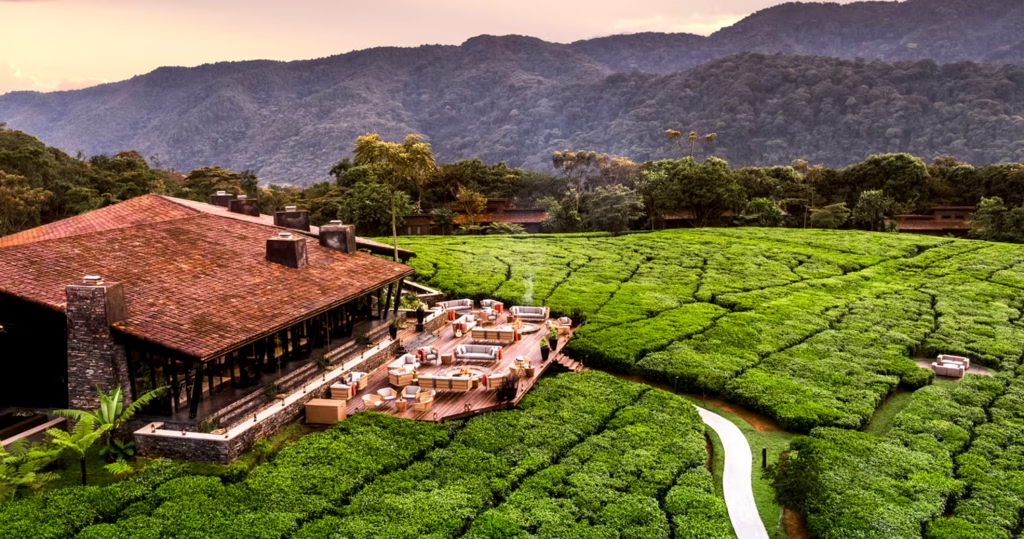
A short drive from the park, the Ndali-Kasenda crater lakes host some of western Uganda’s most distinctive lodges, Kyaninga Lodge among them, a striking treehouse-style property built into the rim of its own private crater lake, and Ndali Lodge, a historic estate overlooking Lake Nyinambuga. These properties trade a few extra minutes of transfer time for genuinely memorable settings and are a strong choice for travelers who want a scenic rest day built into their Kibale stopover rather than a purely functional overnight.
Best Time to Visit Kibale Forest National Park
Kibale is trekkable year-round, and unlike gorilla trekking in Rwanda, chimp permit pricing does not change by season, which means the timing decision comes down almost entirely to trail conditions and crowd levels rather than cost.

| Season |
Conditions |
| June–September |
Long dry season; firmer trails, easier walking, highest demand |
| December–February |
Short dry season; good conditions, somewhat quieter than mid-year |
| March–May |
Long rains, muddier trails, lush forest, fewer visitors |
| October–November |
Short rains; similar trade-offs to March–May, briefer wet spells |
Because chimpanzees range through the canopy in search of fruit, tracking time can actually lengthen during the driest months when fruiting is more dispersed, a nuance worth discussing with your operator if a shorter trek matters more to you than firm underfoot conditions.
What to Pack for Chimpanzee Trekking in Kibale
Packing for Kibale mirrors the gorilla trekking kit list in most respects, since both take place in humid, densely vegetated equatorial forest, though Kibale’s gentler terrain means footwear demands are marginally less extreme.
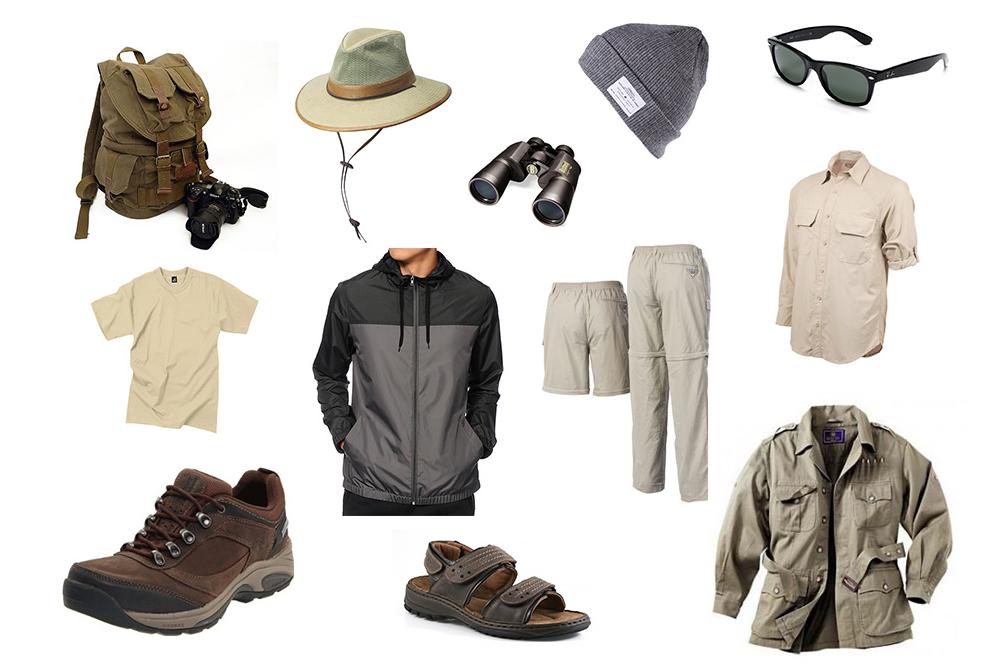
- Long-sleeved shirt and long trousers in neutral, muted colors, useful for both comfort in dense vegetation and reducing insect exposure.
- Waterproof, comfortable walking shoes or light trekking boots; Kibale’s trails are generally less steep than Bwindi’s but can still be muddy and root-strewn.
- A light, packable rain jacket, since equatorial forest showers arrive with little warning at any time of year.
- Insect repellent and a hat, given the humidity and the amount of time spent looking upward into the canopy.
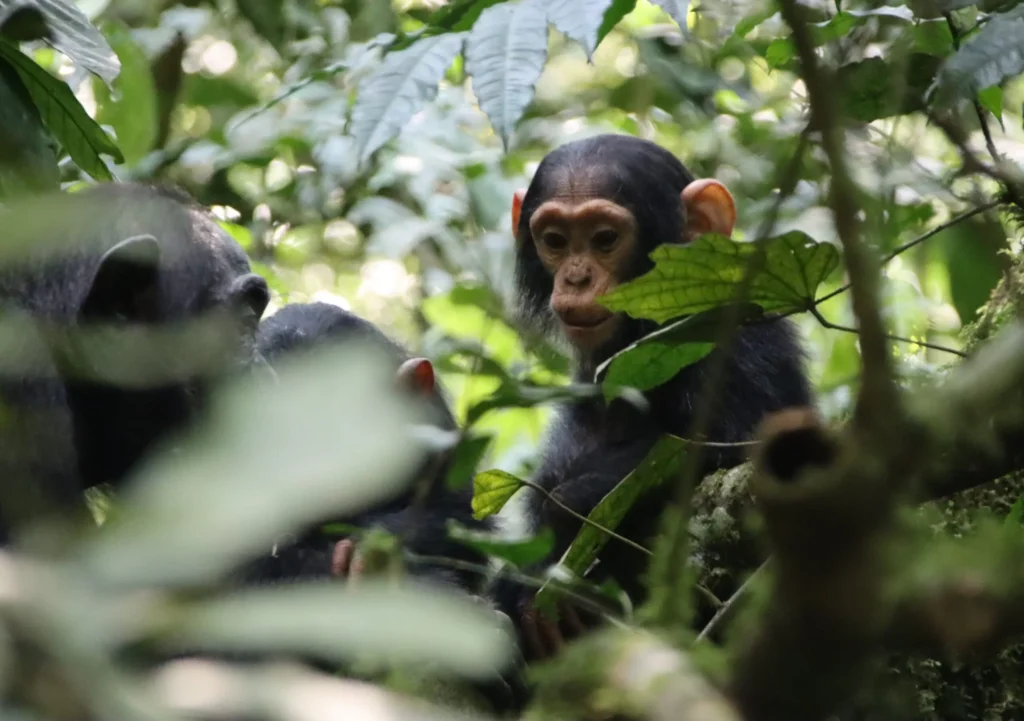
- Binoculars are genuinely more useful in Kibale than during gorilla trekking, since chimpanzees frequently range high into the canopy rather than staying at ground level.
- A camera with a reasonable zoom or telephoto capability; flash photography is prohibited around the chimpanzees, as it is around gorillas.
- At least two liters of water and light snacks for the trek, plus cash in small denominations for the Bigodi Wetland Sanctuary fee, tips, and any night walk add-on.
Booking Your Kibale Permit: Process and Lead Times
Chimpanzee permits in Kibale are booked through the Uganda Wildlife Authority, most practically through a licensed operator who can confirm real-time availability rather than relying on an online calendar alone, since international travelers are generally required to book through a registered operator rather than purchasing directly. Kibale’s permits are considerably less constrained than mountain gorilla permits, both because of higher daily capacity and because demand is lower, so three to four months of lead time is generally comfortable for peak season. The chimpanzee habituation experience, limited to four guests per day, warrants a similar or slightly longer window due to its far more limited availability.
If Kibale is being added to a Uganda gorilla trekking itinerary, the most important planning step is booking both permits together rather than sequentially, since your Bwindi gorilla trek date will usually determine your Kibale routing and timing rather than the reverse. This process is precisely the kind of cross-park coordination that is easy to get wrong when booking independently, but straightforward when planned by a specialist who works across both parks at once. Read more about how Rwanda Gorilla Expeditions builds fully bespoke itineraries around your dates rather than adjusting a fixed package.
Combining Kibale With Other Parks: Building the Classic Uganda Primate Circuit
Kibale, Queen Elizabeth National Park, and Bwindi Impenetrable Forest together form what many operators call Uganda’s golden triangle, a routing that delivers chimpanzees, tree-climbing lions and a Kazinga Channel boat cruise, and mountain gorillas within a single well-paced week to ten days rather than three disconnected trips.
A typical routing trek starts in Kibale first, taking advantage of the shorter overall drive from Entebbe, continues south to Queen Elizabeth National Park for a night or two of game viewing and a Kazinga Channel cruise, and then finishes in Bwindi Impenetrable Forest for the gorilla trek before either returning to Entebbe or, for travelers building a wider East Africa circuit, crossing the border into Rwanda via Kisoro or Cyanika. For a full breakdown of that broader combination, our Virunga Trail itinerary covers the Rwanda-Uganda-DRC routing that this kind of Uganda circuit connects into most naturally, while our Uganda safaris page provides the full picture of how Kibale, Queen Elizabeth, and Bwindi combine on their own.
Kibale vs Nyungwe: Should You Track Chimps in Uganda or Rwanda?
For travelers whose trip is anchored in Rwanda rather than Uganda, Nyungwe Forest National Park offers a genuine, closer alternative to Kibale for chimpanzee trekking, and the two are worth comparing directly rather than assuming a border crossing is necessary.
| Factor |
Kibale (Uganda) |
Nyungwe (Rwanda) |
| Chimp permit cost |
USD 250 |
USD 150 |
| Primate species count |
13 |
13 |
| Distance from main airport |
5–6 hrs from Entebbe |
Approx. 4–5 hrs from Kigali |
| Sighting reliability |
High; several long-habituated groups |
Good, though chimps range widely and can be more mobile. |
| Best paired with |
Queen Elizabeth NP and Bwindi gorillas |
Volcanoes, NP gorillas, and Akagera Big Five |
In short, Kibale generally offers a higher likelihood of a full, close encounter given its dense concentration of long-studied communities, while Nyungwe offers a lower permit cost and the convenience of staying entirely within a Rwanda-based itinerary alongside Volcanoes National Park gorilla trekking. Neither is a wrong choice; the decision generally comes down to whether your itinerary is already crossing into Uganda for gorillas, in which case Kibale is a natural addition, or staying within Rwanda, in which case Nyungwe keeps the logistics simpler.