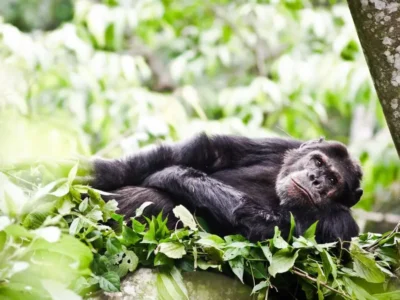
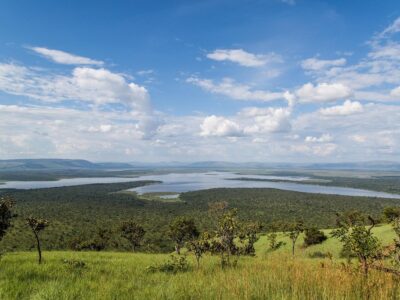
Nyungwe Forest National Park: Rwanda’s Ancient Rainforest for Chimpanzee Trekking.

Nyungwe Forest National Park is Rwanda’s oldest rainforest, home to chimpanzee trekking and Africa’s highest canopy walk. Plan your trip with experts.

Nyungwe Forest National Park is a 1,020-square-kilometer montane rainforest in southwestern Rwanda, and it is the best place in the country to trek wild chimpanzees, cross a suspension bridge suspended 70 meters above the forest floor, and see more primate diversity than anywhere else in East Africa. The park protects 13 primate species, including two habituated chimpanzee communities, alongside more than 300 bird species in a rainforest ecosystem old enough to have survived the last Ice Age. A chimpanzee trekking permit costs USD 150 per person, roughly a tenth of the price of a Rwanda gorilla permit, which makes Nyungwe one of the best-value wildlife additions to any Rwanda itinerary.

Nyungwe Forest National Park: Rwanda's Chimp Trekking Guide

This guide covers exactly when to go, how the two chimpanzee trekking zones differ, what the canopy walkway involves, where to stay, how much to budget, and how Nyungwe fits alongside gorilla trekking in Volcanoes National Park and Big Five game drives in Akagera National Park. Most travelers reach Nyungwe on a route that also takes in Lake Kivu, turning a single-purpose chimp trek into a proper forest-to-lake circuit. For a first Rwanda safari built around gorillas, Nyungwe is the natural second act: a different forest, a different primate, and a genuinely different kind of encounter.

Permits are limited — spaces fill months ahead

Reserve Your Private Gorilla Trek

Speak with a Rwanda-based specialist today. We secure permits, match you to the right gorilla family, and plan every detail around your schedule.

No group departures · Private itineraries only · Direct Rwanda expertise

Where Nyungwe Forest National Park Is, and Why It Ranks Among Africa’s Great Rainforests.

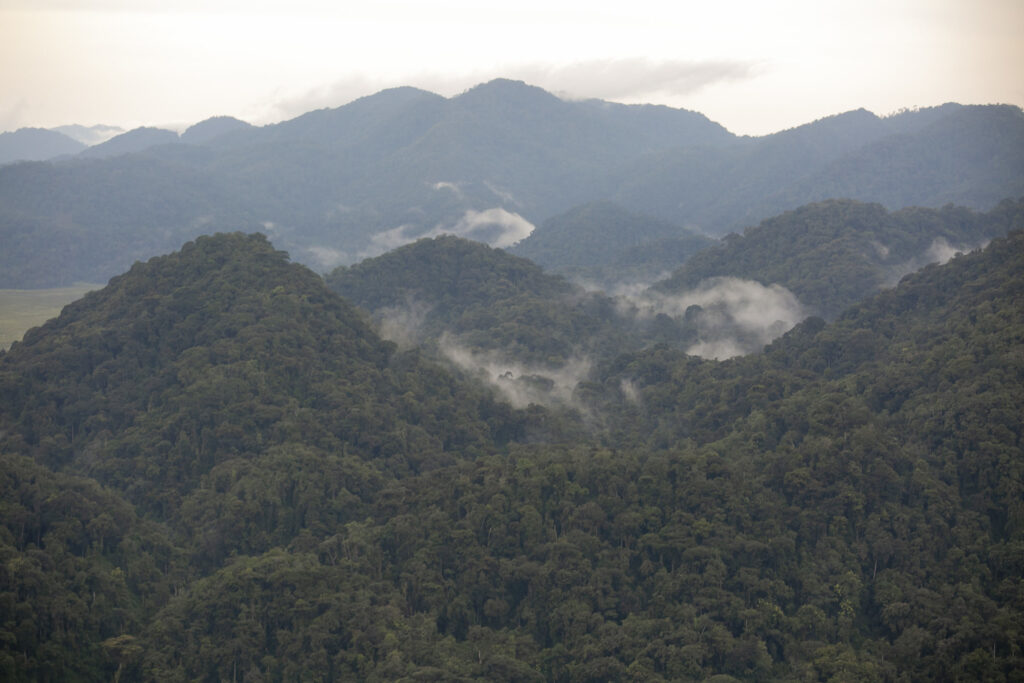
Nyungwe Forest National Park sits in Rwanda’s Southern and Western Provinces, bordering Burundi’s Kibira National Park to the south and running along the eastern shore of Lake Kivu to the west, at elevations ranging from roughly 1,600 to 2,950 meters above sea level. This altitude range is the reason the forest feels so different from Rwanda’s other two major parks: cooler, wetter, and denser than the bamboo-and-volcanic-slope habitat of Volcanoes National Park, and a world away from the open savannah of Akagera. Nyungwe was formally gazetted as a national park in 2004, though the forest itself had already been under some form of protection since 1903, when it was declared a forest reserve during the German colonial period.

A Forest Older Than the Ice Age

Nyungwe is one of the oldest rainforests in Africa, a montane ecosystem that geologists and botanists believe has existed in something close to its current form for well over a million years, surviving the climatic upheaval of the last Ice Age when much of the surrounding region’s forest cover did not. You can see that age in the forest structure itself: enormous, moss-draped hardwood trees, a tangled sub-canopy of ferns and orchids, and a level of botanical diversity that has made Nyungwe a long-standing research site for primatologists and botanists from institutions across the world. This long ecological history is a big reason why Nyungwe has such a high concentration of primates and Albertine Rift endemic species in a relatively small area.

How Nyungwe Fits Into Rwanda’s National Park System

Rwanda’s safari geography is built around three very different ecosystems inside one small country: mountain gorillas and golden monkeys in the volcanic highlands of Volcanoes National Park in the north, Big Five savannah game viewing in Akagera National Park in the east, and montane rainforest primates in Nyungwe in the southwest. A fourth, smaller park, Gishwati-Mukura, offers a more compact and less-visited chimpanzee and golden monkey experience closer to Volcanoes National Park and is worth considering for travelers who want a taste of Nyungwe’s forest primates without the longer road transfer south. Understanding how these ecosystems relate to one another matters when building an itinerary, because pairing Nyungwe with either of the other two parks creates a genuinely varied Rwanda safari rather than a repetitive one. The full range of Rwanda safaris designed around this three-park structure gives a sense of how the pieces typically fit together.

Nyungwe Forest National Park at a Glance

Detail Figure
Park size 1,020 square kilometers
Elevation range 1,600 – 2,950 meters above sea level
Gazetted as a national park 2004 (protected forest reserve since 1903)
Primate species 13, including two habituated chimpanzee communities
Bird species 300+, including roughly 29 Albertine Rift endemics
Chimpanzee trekking permit USD 150 per person (foreign non-resident)
Canopy walkway fee USD 40 per international visitor
Distance from Kigali Approximately 225 km / 5 hours by road
Distance from Volcanoes National Park Approximately 4 hours via the Lake Kivu road

Chimpanzee Trekking in Nyungwe: Uwinka vs. Cyamudongo.

Luxury Rwandan Primate Safari

Nyungwe Forest National Park has two habituated chimpanzee communities open to tourism, one in the main forest block around Uwinka and a second, smaller and more reliable community in Cyamudongo Forest, a detached fragment of the park roughly 34 kilometers from Gisakura. This distinction is a detail many general guides skip entirely, and it matters: the two treks differ substantially in drive time, difficulty, and the likelihood of a good sighting, and choosing the right one for your fitness level and patience for early starts is a genuine planning decision, not a formality.

The Uwinka Group

The Uwinka community numbers around 60 individuals and ranges across the main body of Nyungwe forest near the park’s Uwinka reception center, the same area where the canopy walkway is based. Because the main forest block is large and the terrain is genuinely rugged, sightings here can take longer to secure, and treks sometimes involve several hours of fast-paced hiking to catch up with a troop that has moved on. The reward is a trek through the heart of Nyungwe’s oldest, densest forest, with colobus monkeys, Albertine Rift endemic birds, and a cathedral-like canopy overhead even before the chimpanzees are found.

The Cyamudongo Community

Cyamudongo Forest is a smaller, physically separate patch of forest, roughly 5 to 19 square kilometers depending on the boundary definition used, historically part of Nyungwe but now surrounded by tea plantations and community land. Its habituated community of around 30 chimpanzees is widely regarded by local guides as the most reliable sighting in the park, precisely because the smaller forest area limits how far the troop can range before trackers relocate it. The trade-off is logistics: Cyamudongo is reached via a rough, roughly 90-minute drive from the Gisakura Park office, which means a pre-dawn departure, typically by 4:30 to 5:00 AM, and a 4×4 vehicle is strongly recommended for the access road.

What a Chimpanzee Trek Actually Involves

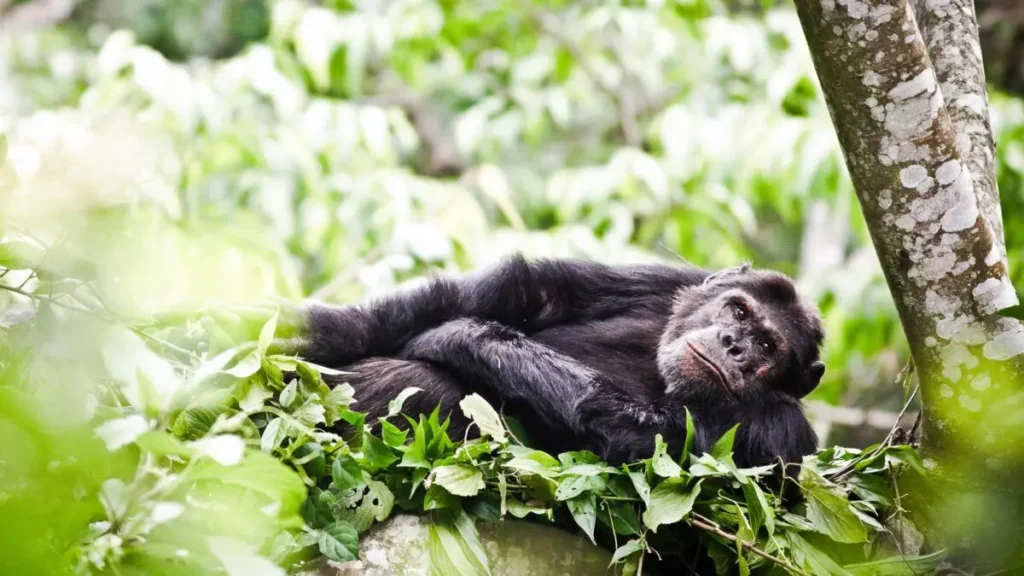
Chimpanzee trekking is a genuinely different experience from gorilla trekking, and travelers who expect the same pace and predictability are often surprised. Gorillas move relatively little once found; chimpanzees are constantly on the move through the canopy, communicating with loud pant-hoot calls that carry for hundreds of meters and often signal a group before they are seen. Treks begin early, usually with a 5:00 AM briefing at a park reception center, and can last anywhere from one to five hours depending on how far the community has ranged overnight. Once found, visitors are permitted one hour with the group, watched from a required distance, with sightings that swing between long stretches of high-canopy movement and, on good days, close encounters with chimpanzees feeding or resting at ground level.

Uwinka vs. Cyamudongo Chimpanzee Trekking

Factor Uwinka Group Cyamudongo Community
Community size ~60 individuals ~30 individuals
Location Main Nyungwe forest block Detached forest fragment, ~34 km from Gisakura
Access Short transfer from Gisakura/Uwinka ~90-minute drive on a rough access road, 4×4 advised
Typical sighting reliability Good, but the terrain can extend the trek. Considered the most consistent sighting in the park
Best suited to Travelers prioritizing forest immersion Travelers prioritizing sighting reliability

Plan Your Rwanda Safari

Start Planning a Private Gorilla Trek

Rwanda gorilla permits sell out months in advance. Secure your dates before the season closes.

The Canopy Walkway and Nyungwe’s Other Primates

The Nyungwe canopy walkway is a 160-meter suspension bridge divided into three linked sections of roughly 25, 45, and 90 meters, reaching its highest point of approximately 70 meters above the forest floor at the longest span, and it is the only structure of its kind in East Africa. Reaching it involves a roughly 45-minute to two-hour guided hike along the 2.1-kilometer Igishigishigi Trail from the Uwinka Visitor Centre, which sits at around 2,500 meters above sea level, through dense rainforest before the trail opens onto the bridge itself. Because it is a separate activity from chimpanzee trekking, with its own USD 40 international visitor fee according to Rwanda Development Board pricing published via Visit Rwanda, it pairs naturally with either the Uwinka or Cyamudongo chimp trek on a two-to-three-night Nyungwe stay.
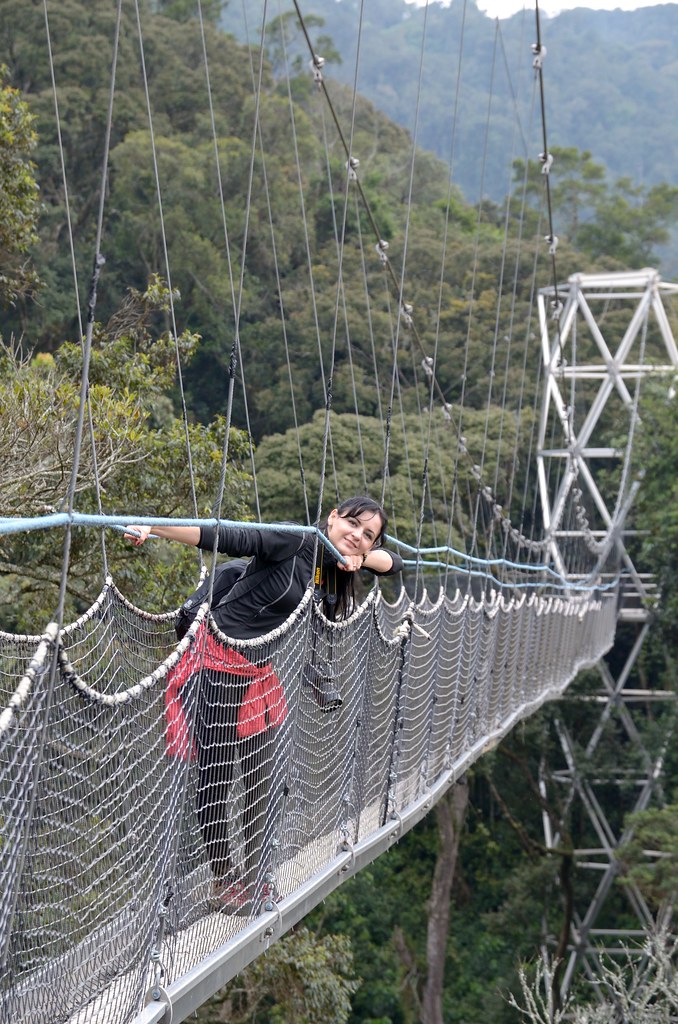
Nyungwe Canopy Walk

What the Canopy Walk Involves

The walk itself takes roughly two hours round trip, including the approach hike, and is open to visitors from around six years old, though anyone uneasy with heights should know that the central 90-meter span offers no view of the ground below, only the forest canopy on either side. The bridge sways gently underfoot in wind, a sensation most visitors describe as thrilling rather than alarming, and the elevated vantage delivers views over the forest canopy toward Lake Kivu and, on a clear day, the hills of neighboring Burundi and the Democratic Republic of Congo. Guides typically point out canopy-dwelling primates and birds that are difficult or impossible to see from the forest floor, making this one of the only vantage points in Rwanda from which the forest ecosystem can be observed from above rather than below.

The Other Twelve Primates of Nyungwe

Chimpanzees draw the headlines, but Nyungwe’s real distinction is primate density: 13 species live within its boundaries, more than any other park in Rwanda, and several are found nowhere else in the country. The Angola colobus is the park’s most visually spectacular resident, forming super-troops of up to several hundred individuals that move through the canopy together, a sight and sound that captivates most visitors even before they see a chimpanzee. The Albertine Rift endemic L’Hoest’s monkey and the more widespread blue monkey, silver monkey, grey-cheeked mangabey, red-tailed monkey, Dent’s mona monkey, vervet monkey, and olive baboon round out a primate list that rewards travelers who build in time beyond a single chimp trek.

Primate Species of Nyungwe Forest National Park

Species Notable feature
Eastern chimpanzee Two habituated communities: Uwinka (~60) and Cyamudongo (~30)
Angola colobus Forms super-troops of up to several hundred individuals
L’Hoest’s monkey Albertine Rift endemic
Silver monkey Found in the higher-altitude forest zones
Grey-cheeked mangabey Loud, distinctive whooping calls
Blue monkey Widespread through the main forest block
Red-tailed monkey Distinctive white nose spot and reddish tail
Dent’s Mona Monkey Small, agile canopy dweller
Vervet monkey Common at forest edges near Gisakura
Olive baboon Ground-dwelling, seen on forest fringe roads
Owl-faced monkey Rare, deep-forest sightings
Golden monkey (occasional range overlap) Primarily associated with Volcanoes National Park
Greater galago (bushbaby) Nocturnal, heard more often than seen

Birdwatching, Waterfalls, and Nyungwe’s Other Signature Experiences

Nyungwe Forest National Park holds one of the richest bird lists of any single site in East Africa, with more than 300 recorded species, roughly 29 of them Albertine Rift endemics found in few other places on Earth. Serious birders plan multi-day stays around this list alone, and the forest’s dawn chorus, layered from the canopy down to the understory, is reason enough for non-specialist travelers to add an early guided walk to their itinerary.

Birding Hotspots

The Karamba trail and the forest edges around Uwinka and Gisakura are the most productive birding zones, known for species such as the Rwenzori turaco, red-collared babbler, Rockefeller’s sunbird, Chapin’s flycatcher, and the strange weaver, most of which are difficult or impossible to see outside the Albertine Rift ecosystem. Guided birding walks are typically arranged through the park reception centers and are best done at first light, before the general forest traffic of the day picks up and the canopy activity settles.

Waterfall Hikes and Tea Estates

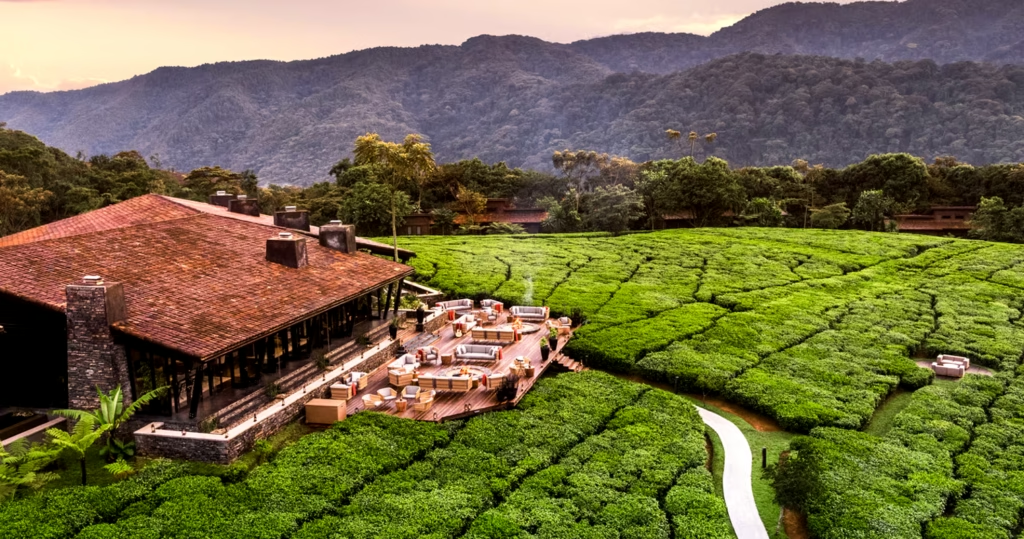
Nyungwe’s trail network extends well beyond the canopy walkway, with the hike to Kamiranzovu Waterfall and the shorter Isumo Waterfall trail offering a quieter, less structured way to experience the forest, often with a strong chance of colobus or blue monkey sightings along the way. The Gisakura area, at the forest’s western edge, is bordered by working tea estates whose neat, undulating rows of tea bushes provide a striking visual contrast to the wall of rainforest immediately behind them, and a short stop here is a natural add-on for travelers staying at lodges in this part of the park.

The Best Time to Visit Nyungwe Forest National Park

Nyungwe is accessible year-round, and unlike some rainforest destinations, the rainy season here is not simply something to be endured; for chimpanzee trekking specifically, it can genuinely be the better choice. Rwanda’s two dry seasons, June through September and December through February, offer firmer trails, easier hiking, and the most comfortable conditions for the canopy walkway and waterfall hikes, which is why they remain the busiest and most popular months to visit.

Best time for gorilla trekking.

Why the Rainy Season Can Mean Better Chimp Sightings

During the long rains of March through May and the shorter rains of October and November, food is more abundant throughout the forest, which tends to keep chimpanzee communities more settled and closer to their core range rather than ranging widely in search of fruiting trees. Several Nyungwe-based guides specifically recommend the wetter months for this reason, a nuance that is easy to miss if you assume, as with most safari planning, that dry season is always operationally superior. The June to August period also coincides with heavy fig fruiting in parts of the forest, another window locally regarded as excellent for chimp activity, so trekking success in Nyungwe is driven as much by food availability as by rainfall.

Nyungwe Forest National Park by Season

Season Months Trekking conditions Chimp trekking notes
Long dry season June – September Firmest trails, easiest canopy walk conditions Fig-fruiting period in parts of forest; good general activity
Short dry season December – February Good trail conditions, fewer crowds than June–Sept Reliable, slightly less competition for permits
Long rains March – May Muddier trails, waterproof gear essential Food abundance can keep chimps closer to their core range.
Short rains October – November Lighter, more intermittent rainfall Similar advantage to the long rains, shorter duration

Plan Your Rwanda Safari

Start Planning a Private Gorilla Trek

Rwanda gorilla permits sell out months in advance. Secure your dates before the season closes.

Where to Stay Near Nyungwe Forest National Park

Accommodation around Nyungwe is more limited and more spread out than the lodge cluster surrounding Volcanoes National Park, which is precisely why choosing the right base matters for how much of the park you can realistically cover. Most properties sit near Gisakura, on the forest’s western edge, within a manageable transfer of both the Uwinka reception area and the Cyamudongo access road.

One&Only Nyungwe House

One&Only Nyungwe House

One&Only Nyungwe House is the standout luxury property in the area, built on a working tea estate at the forest’s edge with suites that open directly onto the plantation and views toward the tree line. It pairs the One& Only the brand’s signature service standard with genuine proximity to the park boundary, and its position on the tea estate makes it the natural base for travelers combining a Nyungwe stay with an interest in Rwanda’s tea industry alongside primate trekking.

Mid-Range and Boutique Options

Nyungwe Forest Lodge and Nyungwe Top View Hill Hotel both sit near Gisakura and offer a strong standard of comfort with panoramic forest or valley views, at a lower price point than One&Only Nyungwe House, and both are well positioned for early departures to either chimp trekking zone. For travelers building a longer Rwanda circuit that includes a night on Lake Kivu, a boutique lakeside property between Volcanoes National Park and Nyungwe is a natural way to break the journey rather than adding an extra late arrival into the forest itself.

Property Position Best for
One&Only Nyungwe House Working tea estate at the forest edge, Gisakura Travelers prioritizing luxury and proximity to the park boundary
Nyungwe Forest Lodge Near Gisakura, forest and valley views Comfortable mid-range base for chimp trekking and the canopy walk
Nyungwe Top View Hill Hotel Elevated position above Gisakura Scenic, value-oriented stays with easy access to both trekking zones

Planning Your Nyungwe Visit: Permits, Getting There, and What to Pack

This is the section worth reading closely before you book anything, because Nyungwe’s logistics differ meaningfully from a Volcanoes National Park gorilla trek and catch first-time Rwanda travelers off guard more often than any other part of the planning process.

How to Get to Nyungwe Forest National Park.

By road from Kigali, Nyungwe is approximately 225 kilometers and around five hours’ drive, most commonly routed via Huye (Butare), which allows a stop at the National Museum of Rwanda or the former royal palace at Nyanza en route. From Volcanoes National Park, the journey takes roughly four hours via the scenic Lake Kivu road, passing through Karongi (Kibuye), which makes an overnight stop on the lakeshore a natural way to break up the transfer rather than a full day of driving in one push. A small domestic airstrip at Kamembe, near Cyangugu, offers an alternative for travelers with tighter schedules, cutting the journey from Kigali to roughly an hour by air, though scheduling depends on charter availability and should be confirmed well ahead of travel dates. Every transfer we arrange for Rwanda Gorilla Expeditions guests uses private vehicles with experienced driver-guides, so the road transfer becomes part of the safari rather than simply time spent in a car.

Nyungwe Permits and Costs

A chimpanzee trekking permit costs USD 150 per person for foreign non-residents, issued by the Rwanda Development Board, and covers park entrance, a ranger guide, and one hour with a habituated community. The canopy walkway carries a separate USD 40 fee for international visitors, payable regardless of whether you also trek chimpanzees that day. Only 24 chimpanzee permits are issued per day across the park’s habituated communities, a small fraction of the demand around gorilla trekking, but permits can still sell out during the June to September and December to January peak periods, so booking two to three months ahead is a sensible minimum for anyone with fixed travel dates.

Item Approximate cost
Chimpanzee trekking permit USD 150
Canopy walkway fee USD 40
Porter (optional, recommended for Cyamudongo) USD 10–15 plus tip
Private vehicle transfer, Kigali to Nyungwe (one way) Included in the Rwanda Gorilla Expeditions packages

What to Pack for Chimpanzee Trekking and the Canopy Walk

Nyungwe’s terrain is steeper, wetter, and more slippery underfoot than most travelers expect from a rainforest at this latitude, and packing correctly makes a genuine difference to how much you enjoy an early-morning trek.

What to Pack for gorilla trekking

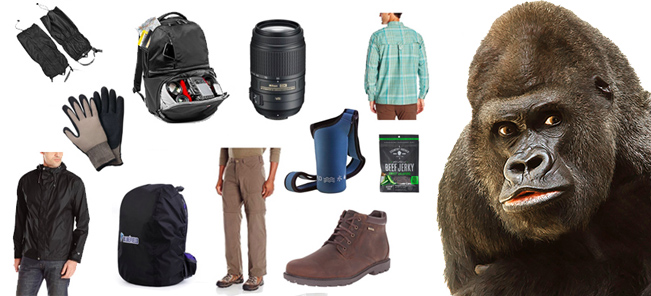
  • Waterproof, ankle-supporting hiking boots with strong grip; the forest floor is consistently damp, even in the dry season.
  • A lightweight, packable rain jacket; Nyungwe receives rain in some form on the majority of days, regardless of season.
  • Long trousers and a long-sleeved shirt in a neutral color, both to guard against nettles and biting insects on narrow trail sections.
  • A daypack with at least two liters of water, since Cyamudongo treks in particular can run three or more hours before a chimp is found.
  • A head torch or phone light for the 4:30 to 5:00 AM departures common on Cyamudongo trekking mornings.
  • A dry bag or waterproof case for cameras and phones, given the possibility of rain mid-trek and the exposed nature of the canopy walkway.

What Other Nyungwe Tour Operators Won’t Always Tell You.

  • Chimpanzee sightings are genuinely less certain than gorilla sightings. Gorillas are tracked to a known location each morning before your trek begins; chimpanzees are located largely by ear, following pant-hoot calls, and a fast-moving troop can outpace a trekking group entirely on a bad day. Most experienced Nyungwe guides will tell you this honestly: if asked directly, reputable operators will not promise a guaranteed sighting the way some marketing implies.
  • Cyamudongo’s higher sighting reliability comes at the cost of a genuinely rough access road and a very early start. If you are not prepared for a 4:30 AM departure and roughly 90 minutes on an unpaved track, the Uwinka option, while less certain, may suit your travel style better.
  • The canopy walkway and chimpanzee trekking are priced and booked separately, and travelers occasionally arrive assuming one permit covers both. Confirm both bookings are in place well before your Nyungwe dates, particularly in peak season when same-day canopy walk slots can be limited.
  • Nyungwe’s weather changes fast, and the forest’s altitude means mornings can be genuinely cold, closer to the low teens Celsius, before warming quickly once the sun clears the canopy. Pack a mid-layer even if your itinerary otherwise reads as tropical.
  • Because Nyungwe sits roughly four to five hours from both Kigali and Volcanoes National Park, it rewards a minimum two-night stay. A single-night, one-activity stop rarely does the park justice, and rushing the transfer both ways in one trip is one of the more common regrets first-time Rwanda travelers mention afterward.

Plan Your Rwanda Safari

Start Planning a Private Gorilla Trek

Rwanda gorilla permits sell out months in advance. Secure your dates before the season closes.

Ready to Book? Here Are the Nyungwe Itineraries

Nyungwe rarely works well as a standalone trip; it is best experienced as one chapter within a wider Rwanda safari. These three itineraries are the ones our team most often builds around a Nyungwe chimpanzee trek.

Luxury Rwandan Primate Safari

Luxury Rwandan Primate Safari (8 Days)

The most direct match for this guide: chimpanzee trekking and the canopy walkway in Nyungwe, followed by mountain gorilla and golden monkey trekking in Volcanoes National Park, connected by a scenic Lake Kivu routing.

Akagera National Park: Rwanda's Big Five Safari Guide 2027

Best of Rwanda’s National Parks (10 Days)

This itinerary offers a full three-park circuit covering Nyungwe, Volcanoes National Park, and Akagera for travelers seeking primates, savannah game viewing, and Rwanda’s diverse landscapes in a single, unhurried experience.

Plan Your Rwanda Safari

Start Planning a Private Gorilla Trek

Rwanda gorilla permits sell out months in advance. Secure your dates before the season closes.

Frequently Asked Questions About Nyungwe Forest National Park

What is Nyungwe Forest National Park known for?

Nyungwe Forest National Park is known for chimpanzee trekking, its 160-meter suspension canopy walkway, and the highest primate diversity of any national park in Rwanda, with 13 species recorded within its 1,020 square kilometers. It is also recognized as one of Africa’s oldest rainforests, an ecosystem that predates the last Ice Age, and for a bird list exceeding 300 species, including roughly 29 Albertine Rift endemics. Most visitors combine a chimpanzee trek with the canopy walk on a two-to-three-night stay, often as part of a wider itinerary that also includes gorilla trekking in Volcanoes National Park.

How much does chimpanzee trekking cost in Nyungwe Forest National Park?

A chimpanzee trekking permit in Nyungwe costs USD 150 per person for foreign non-residents, issued by the Rwanda Development Board. This covers park entrance, an assigned ranger guide, and one hour of observation once you locate a habituated community. It does not include accommodation, transfers, the separate canopy walkway fee, or porter costs. This is substantially lower than the USD 1,500 permit for gorilla trekking in Rwanda, which is one reason many travelers add Nyungwe to a gorilla-focused itinerary rather than treating it as a separate trip.

How do I get to Nyungwe Forest National Park from Kigali?

The drive from Kigali to Nyungwe Forest National Park covers approximately 225 kilometers and takes around five hours on tarmac roads, most commonly via Huye (Butare). Travelers coming from Volcanoes National Park instead of Kigali can expect roughly four hours via the Lake Kivu road through Karongi. A small airstrip at Kamembe, near Cyangugu, offers a faster charter-flight alternative for travelers with tighter schedules. Rwanda Gorilla Expeditions arranges all transfers in private vehicles with experienced driver-guides as standard.

Is chimpanzee trekking in Nyungwe harder than gorilla trekking in Volcanoes National Park?

Chimpanzee trekking in Nyungwe is unpredictable in a different way than gorilla trekking rather than simply harder or easier. Chimpanzees move constantly through the canopy and can range widely overnight, so treks can last anywhere from one to five hours depending on where the community is located that morning, compared to gorillas, which are tracked to a known position before your trek begins. Terrain in Nyungwe is generally steep and can be slippery, particularly during the rainy season, and the Cyamudongo trek in particular requires an early 4:30 to 5:00 AM start. Overall physical demand is comparable to a moderate Volcanoes National Park gorilla trek, though the element of chance in the sighting itself is higher.

What is the Nyungwe canopy walkway and how much does it cost?

The Nyungwe canopy walkway is a 160-meter suspension bridge divided into three sections, reaching a maximum height of approximately 70 meters above the forest floor, and it is the only structure of its kind in East Africa. It costs USD 40 for international visitors, a separate fee from the chimpanzee trekking permit, and is reached via a roughly 45-minute to two-hour guided hike along the 2.1-kilometer Igishigishigi Trail from the Uwinka Visitor Centre. The full experience, including the approach hike and the walk itself, typically takes around two hours round trip.

What is the best time to visit Nyungwe Forest National Park?

Nyungwe is accessible year-round, and the best time to visit depends on what you are prioritizing. The dry seasons, June through September and December through February, offer the firmest trails and the most comfortable canopy walk conditions. For chimpanzee trekking specifically, the wetter months of March through May and October through November can actually produce more settled, easier-to-find communities, since greater food abundance keeps chimpanzees closer to their core range rather than ranging widely. The June to August fig-fruiting period is also locally regarded as an excellent window for chimp activity.

How many primate species live in Nyungwe Forest National Park?

Nyungwe Forest National Park is home to 13 primate species, the highest total of any national park in Rwanda. These include the eastern chimpanzee, which lives in two habituated communities, the Angola colobus, which forms super-troops of up to several hundred individuals, the Albertine Rift endemic L’Hoest’s monkey, and the silver monkey, grey-cheeked mangabey, blue monkey, red-tailed monkey, Dent’s mona monkey, vervet monkey, olive baboon, and owl-faced monkey. This primate density is a large part of why Nyungwe is considered a distinct and complementary experience to gorilla trekking rather than a substitute for it.

Can I combine Nyungwe Forest with gorilla trekking in one Rwanda safari?

Yes, and this is by far the most common way travelers experience Nyungwe. Combining a chimpanzee trek and the canopy walkway in Nyungwe with mountain gorilla trekking in Volcanoes National Park creates a complete primate-focused Rwanda safari within a single country, typically taking seven to nine days once Lake Kivu and Kigali time are included. The Luxury Rwandan Primate Safari itinerary is built specifically around this pairing. Rwanda Gorilla Expeditions can also design a fully custom version of this combination around your dates, fitness level, and accommodation preferences.

Where should I stay near Nyungwe Forest National Park?

Most accommodation near Nyungwe sits around Gisakura, on the park’s western edge, within a manageable transfer of both the Uwinka reception area and the Cyamudongo access road. One&Only Nyungwe House, built on a working tea estate at the forest edge, is the standout luxury property in the area. Nyungwe Forest Lodge and Nyungwe Top View Hill Hotel offer strong mid-range alternatives near Gisakura at a lower price point. Travelers routing between Volcanoes National Park and Nyungwe often add a night on Lake Kivu to break up the four-hour transfer.

How long should I spend in Nyungwe Forest National Park?

A minimum of two nights is recommended to make a Nyungwe visit worthwhile, allowing one full day for chimpanzee trekking and a second for the canopy walkway, a waterfall hike, or a guided birding walk. Given that Nyungwe sits four to five hours from both Kigali and Volcanoes National Park, a single-night stop rarely allows enough time to properly experience the park once travel days are accounted for. Travelers with more flexible schedules often extend to three nights to add both chimpanzee trekking zones or a dedicated birding morning.

Is Cyamudongo or Uwinka better for chimpanzee trekking?

Cyamudongo, a smaller detached patch of forest with a habituated community of around 30 chimpanzees, is generally considered the more reliable sighting because its limited size makes the troop easier for trackers to relocate. Uwinka, in the main forest block with a larger community of around 60 individuals, offers a more profound forest experience but can involve a longer, more physically demanding trek if the community has ranged widely overnight. Cyamudongo requires a rougher, roughly 90-minute access drive and a pre-dawn departure, so the choice often comes down to whether sighting reliability or a shorter transfer matters more to your itinerary.

What should I pack for a Nyungwe Forest trek?

Essential items include waterproof, ankle-supporting hiking boots; a packable rain jacket; long trousers and a long-sleeved shirt in a neutral color; at least two liters of water; and a head torch for early Cyamudongo departures. A dry bag or waterproof case for cameras is worth carrying given Nyungwe’s frequent rain and the exposed canopy walkway. Mornings at Nyungwe’s altitude can be cold, so a mid-layer is worth packing even though the itinerary otherwise reads as tropical.

Do I need a separate permit for the canopy walk and chimpanzee trekking?

Yes. The chimpanzee trekking permit, at USD 150 per person, and the canopy walkway fee, at USD 40 for international visitors, are booked and paid separately through the Rwanda Development Board, even though most travelers do both activities during the same Nyungwe stay. Confirming both bookings ahead of your travel dates is worth double-checking, particularly during the June to September and December to January peak periods when same-day canopy walk slots can fill.

How do I book a Nyungwe Forest safari with Rwanda Gorilla Expeditions?

Rwanda Gorilla Expeditions takes care of all the planning for Nyungwe, including booking chimpanzee permits, making canopy walkway reservations, choosing lodges, and arranging private road or air transfers, whether you want a Nyungwe-only itinerary or a wider Rwanda safari that includes Volcanoes National Park and Akagera. The process starts with a short conversation about your travel dates, fitness level, and accommodation preferences via WhatsApp or email, after which permit availability is checked in real time and a full itinerary quotation is put together with no hidden fees.

Is Nyungwe Forest National Park safe to visit?

Nyungwe Forest National Park is well managed and considered safe for travelers, with all treks conducted under the supervision of trained park guides and rangers, consistent with the safety standards applied across Rwanda’s national park system. The main practical risks are environmental rather than security-related: steep, slippery trails, sudden rain, and the physical demands of a longer chimp trek, all of which are manageable with the right footwear, layering, and a realistic expectation of trek duration. Rwanda more broadly is consistently rated among the safest countries in Africa for international travelers.

Plan Your Nyungwe Forest Visit

Nyungwe rewards careful planning more than any other park in Rwanda, from choosing between Uwinka and Cyamudongo to timing your visit around chimpanzee food availability rather than rainfall alone. Rwanda Gorilla Expeditions designs every Nyungwe itinerary around your specific dates, fitness level, and the rest of your Rwanda circuit, with real-time permit checks and private transfers handled from the first enquiry. Tell us your dates on WhatsApp or by email, and we will check permit availability within a few minutes.

Ready to Trek? Permits are limited — plan early.