Rwanda Safari Styles: How to Choose the Right Travel Style for Your Rwanda Safari

Discover every Rwanda safari style, from luxury and honeymoon to family, photography, fly-in, and more. Expert guide to choosing the right Rwanda travel style for your perfect trip.

Rwanda safari styles describe the different ways travelers can experience Rwanda’s wildlife, culture, and landscapes, from ultra-luxury fly-in gorilla expeditions and private honeymoon safaris to family adventures, photography-focused itineraries, and active multi-park circuits. The right safari style depends entirely on who you are travelling with, how much time you have, what you want to feel, and how deeply you want to engage with the country. Rwanda’s compact geography, world-class lodge infrastructure, and the unmatched anchor experience of mountain gorilla trekking mean that every travel style is genuinely achievable here, often within a single, beautifully designed itinerary.

Rwanda Safari Styles: Which Travel Style Is Right for You?

Why Rwanda Works for Every Type of Safari Traveller

Most safari destinations have a narrow sweet spot; they are extraordinary for one type of traveler and merely adequate for another. The Serengeti is unbeatable for migration-season game drives but offers little for primate enthusiasts. Borneo delivers orangutan encounters but lacks the wider wildlife density of East Africa. Rwanda is unusual, perhaps unique, in that its combination of primate trekking, savannah game viewing, rainforest biodiversity, cultural richness, and logistical excellence creates a destination that can be tailored with precision to almost any travel profile.

The country’s geography is its greatest structural asset. At just 26,338 square kilometers, Rwanda contains three distinct national park ecosystems: volcanic montane forest, equatorial rainforest, and East African savannah within a country small enough that driving between them is measured in hours rather than days. Kigali, one of Africa’s safest and most livable capitals, sits at the center of the circuit. The result is a destination where a single itinerary can deliver depth across multiple ecosystems without the logistical friction that typically penalizes ambitious wildlife programs in larger countries.

Understanding which Rwanda safari best matches your travel personality is the first and most important planning decision you will make. Get this right, and everything else: permits, lodges, pacing, add-ons fall into logical order behind it.

Permits are limited — spaces fill months ahead

Reserve Your Private Gorilla Trek

Speak with a Rwanda-based specialist today. We secure permits, match you to the right gorilla family, and plan every detail around your schedule.

No group departures · Private itineraries only · Direct Rwanda expertise

Luxury Rwanda Safari Style: The Gold Standard of Primate Travel

The luxury Rwanda safari is the format most associated with the destination in the international travel press, and with good reason; Rwanda’s premium tier is genuinely extraordinary. The intimate lodge settings, impeccable service, private guiding, and the rare gorilla encounter together create a wildlife experience that is on par with a private Okavango concession or a charter safari in the Selous. The difference is that Rwanda achieves this level with a distinctly Rwandan identity: warm, unhurried, culturally grounded, and rooted in the forests rather than the plains.

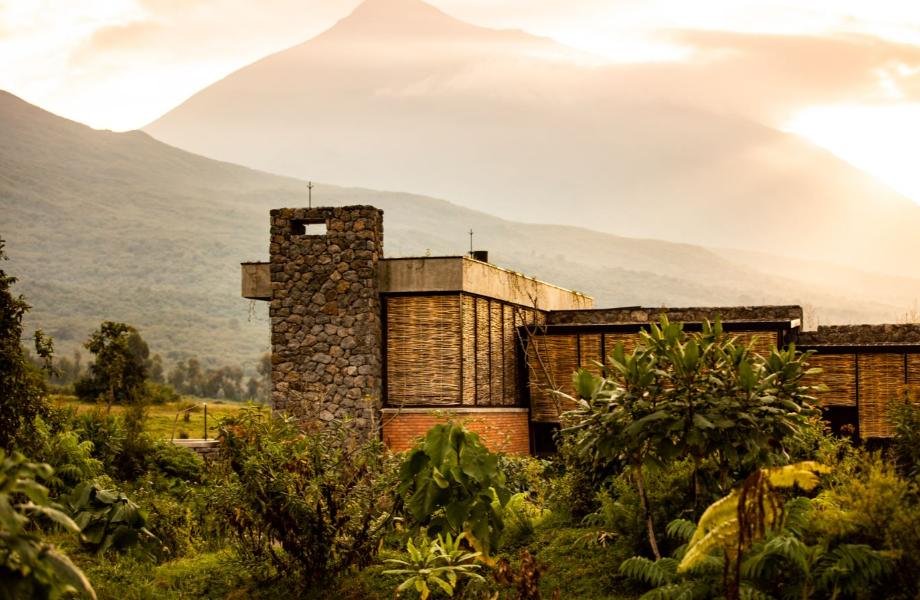
Singita Kwitonda Lodge

Singita Kwitonda Lodge

The benchmark luxury properties in Rwanda are clustered around Volcanoes National Park in the north: Singita Kwitonda, One&Only Gorilla’s Nest, Bisate Lodge, and Sabyinyo Silverback Lodge each offer a small number of suites or villas, private butler or ranger service, outstanding cuisine, and guided itineraries that extend well beyond the gorilla trek itself, including forest walks, cultural village visits, volcano hikes, birdwatching, and conservation briefings led by researchers who live and work in the ecosystem year-round.

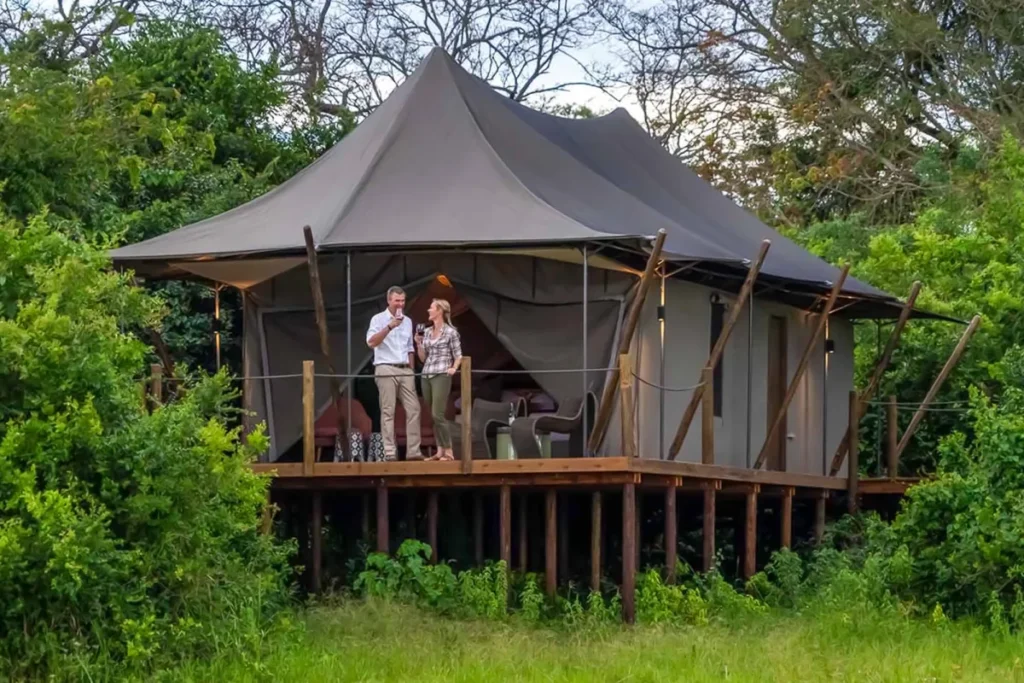
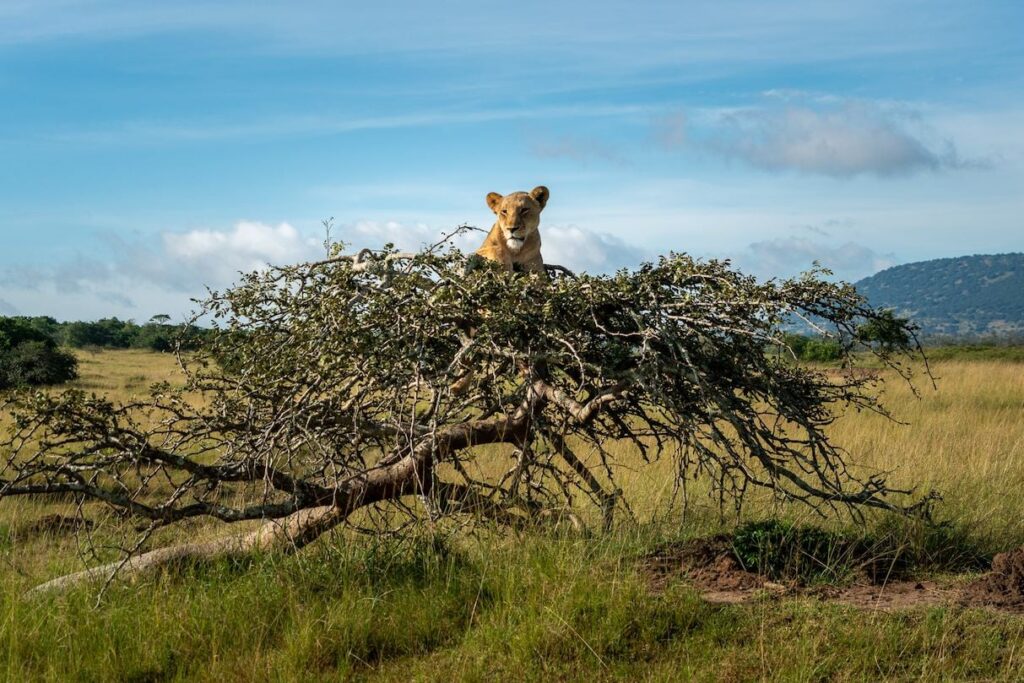
In Akagera, Magashi Camp, a Wilderness Safaris property accessible by boat on Lake Rwanyakizinga, offers an open-savannah game drive experience that rivals the best camps in Botswana, along with the newer luxury additions to the park’s accommodation portfolio. In Nyungwe, One&Only Nyungwe House, set above a working tea estate on the forest’s edge, is arguably the finest primate trekking base in Central Africa.

Luxury safari travellers in Rwanda typically move between two or three park areas over seven to ten days, with private transfers, private trek groups or exclusive gorilla trekking permits, and lodge programmes designed around their specific interests. Budget benchmarks for this style range from USD 1,000 to USD 2,500 per person per night for accommodation, plus a USD 1,500 gorilla trekking permit.

Rwanda Fly-In Safari Style: Maximum Wildlife, Minimum Transit

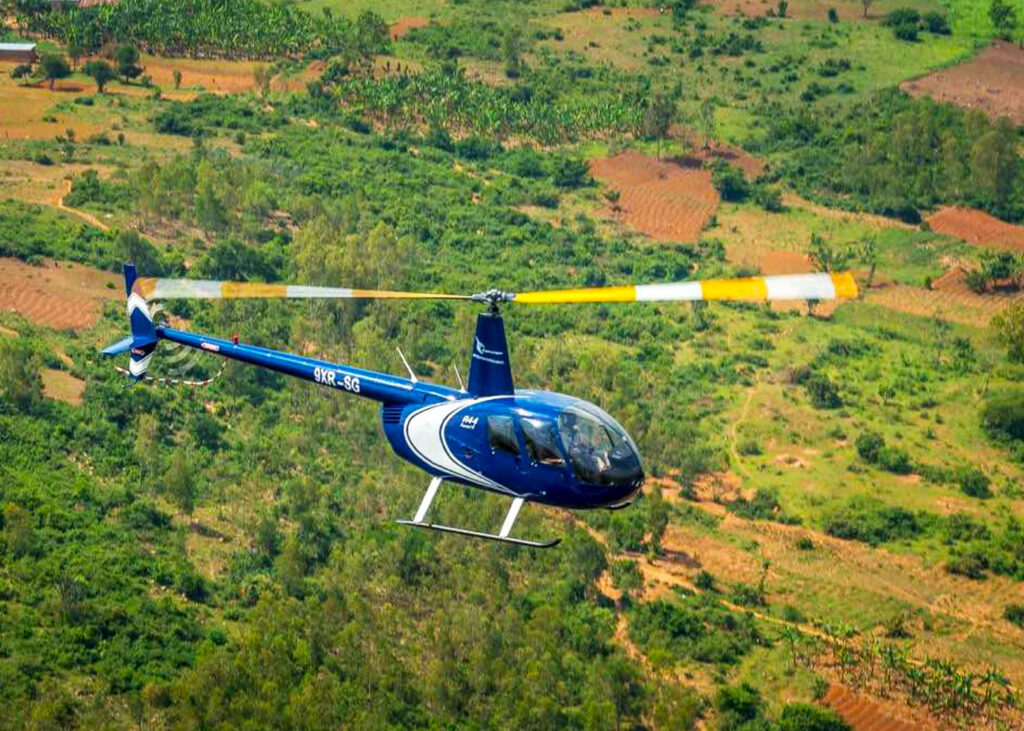
For travellers with limited time, high expectations, and a preference for arriving at each destination refreshed rather than road-weary, the Rwanda fly-in safari style offers the most concentrated version of the country’s finest experiences. Private helicopter and chartered light aircraft transfers connect Kigali’s international airport to the park areas in minutes rather than hours. The Kigali-to-Musanze leg that takes two and a half hours by road is covered in under twenty minutes by helicopter, landing directly at the lodge or within the park boundary.

Rwanda Fly-In Safari Style

A fly-in Rwanda safari typically combines three or four nights in the Volcanoes area, including gorilla trekking, golden monkey trekking, and a volcano hike, with two nights in Akagera for game drives and boat safaris on Lake Ihema, and possibly two nights in Nyungwe for chimpanzees and the canopy walkway. The entire itinerary is achievable in eight to ten days without a single long road journey, delivered at a pace that respects both the traveler’s time and their experience of the destination.

Helicopter transfers in Rwanda are arranged through specialist operators, typically in partnership with the luxury lodges, and add approximately USD 800 to USD 2,000 per leg depending on aircraft type and group size. For groups of four or more, the per-person cost becomes considerably more reasonable and is often judged worthwhile against the quality of time saved. The full range of Rwanda safari experiences includes fly-in itinerary options for travelers who are keen to explore this format.

Family Rwanda Safari Style: Building Memories That Last Generations.

Rwanda is one of the most rewarding safari destinations in the world for families, provided the itinerary is designed with a genuine understanding of what different ages need from a wildlife experience. The rules of gorilla trekking set one firm parameter: all trekkers must be a minimum of 15 years old. This makes Rwanda’s signature experience accessible to older teenagers but not to younger children, which means family itineraries must be thoughtfully structured to ensure that every member of the group, regardless of age, has experiences of genuine depth and excitement.

Family Rwanda Safari Style

For families with children between 8 and 14, Akagera National Park is the natural centrepiece for open game drives in vehicles, Big Five encounters, boat safaris on the lake, and the kind of wide-horizon savannah wildlife drama that children respond to viscerally. The park’s night drives add a dimension of genuine adventure. Kigali, meanwhile, offers age-appropriate cultural programming: the Kigali Genocide Memorial (approached sensitively as a teachable moment for older children), the Kimironko Market, cooking experiences with local families, and the chance to visit schools through responsible community engagement programs.

For families where all members are 15 and older, the full Rwanda circuit becomes available, and many families find that sharing the gorilla trekking experience together creates one of the most powerful shared memories they will ever have. Teenage children who undergo the physical challenge of the trek and then find themselves in the presence of a gorilla family frequently describe it as a defining experience, the kind of encounter that recalibrates their relationship with the natural world in ways that no classroom can replicate.

Family itineraries work best when they are private by design. Shared departures with strangers impose a uniformity of pace and interest that families never benefit from. Every family safari at Rwanda Gorilla Expeditions is built around the specific ages, interests, and energy levels of the travelling group, with full flexibility in timing, activity sequencing, and lodge selection.

Plan Your Rwanda Safari

Start Planning a Private Gorilla Trek

Rwanda gorilla permits sell out months in advance. Secure your dates before the season closes.

Honeymoon and Romantic Rwanda Safari Style: Africa’s Most Intimate Wildlife Escape

Rwanda has quietly established itself as one of the world’s most romantic safari destinations, a fact that experienced travel planners have known for years and that the broader market is beginning to discover. The combination of exceptional lodges, extraordinary wildlife encounters, dramatic volcanic scenery, and a country small enough to explore without spending half your honeymoon in transit creates an intimacy that larger, more logistically complex destinations struggle to replicate.

A Rwanda honeymoon safari typically centers on the Volcanoes area, where lodges like Bisate, One&Only Gorilla’s Nest, and Singita Kwitonda offer couples’ suites, in-room dining, private forest walks, and the kind of attentive personalized service that makes a honeymoon feel genuinely different from any other trip you have ever taken. Many properties arrange private candlelit dinners in the forest, balloon rides where available, in-room spa treatments, and personalized welcome experiences that acknowledge the significance of the occasion without becoming sentimental.
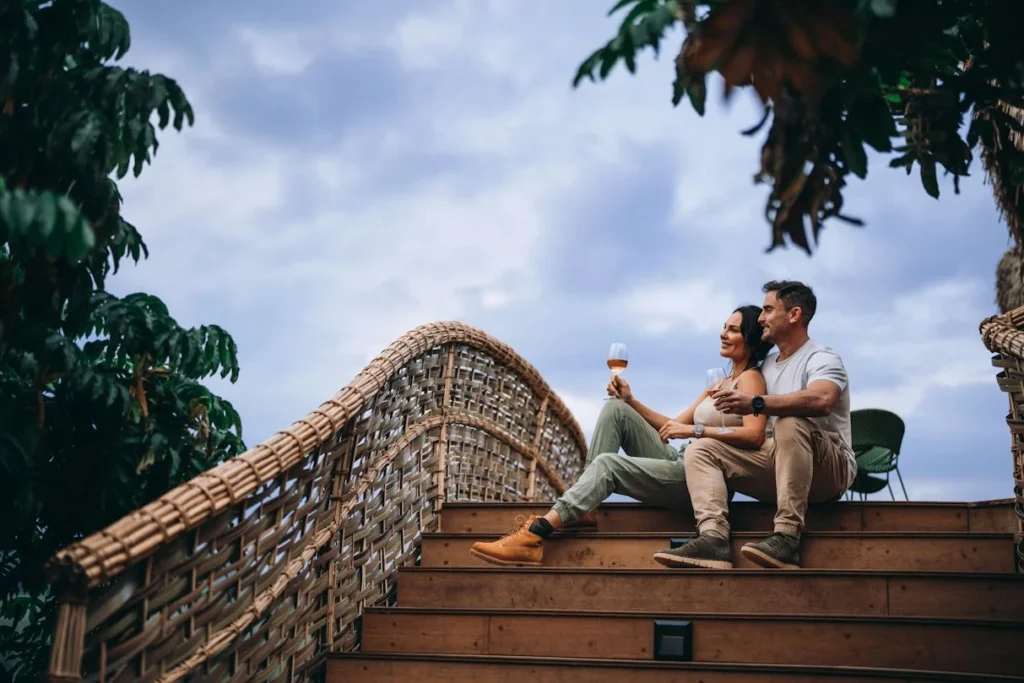
Honeymoon and Romantic Rwanda Safari Style

The exclusive gorilla trekking permit grants a couple of sole access to a habituated gorilla family for the day and is perhaps the finest honeymoon wildlife experience on earth. Spending an hour alone in the Virunga forest, with no other visitors present, watching a gorilla family go about their morning in complete calm, is the kind of moment that defines a relationship. At approximately USD 15,000 for the full exclusive permit, it is a meaningful investment, but for the couples who choose it, it is unanimously described as worth every cent.

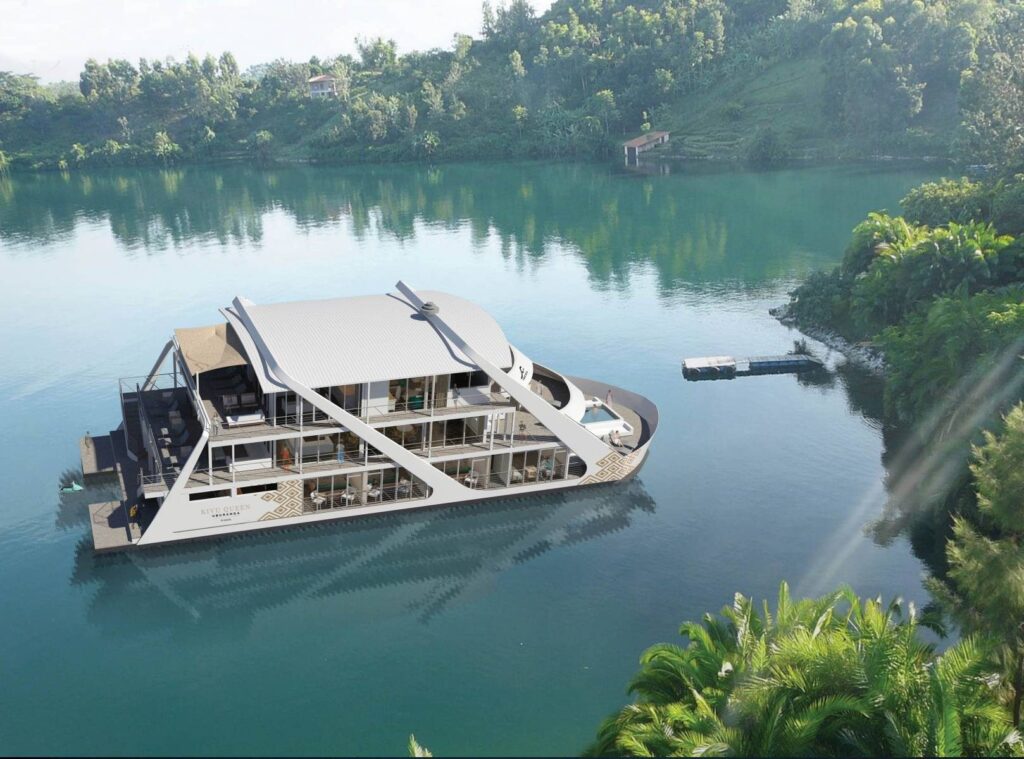
A well-designed Rwanda honeymoon safari of seven nights might combine two nights in Kigali (for the city’s culture, restaurants, and recovery from the long-haul flight), three nights in the Volcanoes area (gorilla trekking, forest walks, and a private dinner above the bamboo), and two nights on Lake Kivu (kayaking, island boat trips, and the kind of absolute stillness that only comes from a lake at altitude in the heart of Africa).

Photography Rwanda Safari Style: Capturing Africa’s Most Compelling Wildlife

For serious wildlife photographers, Rwanda offers a collection of subjects that no other destination can assemble within a single itinerary. Mountain gorillas, golden monkeys, chimpanzees, the Big Five on open savannah, the shoebill stork on Akagera’s papyrus swamps, and the extraordinary endemics of Nyungwe’s forest canopy: the photographic range is extraordinary, and the access levels that Rwanda’s guiding infrastructure enables are genuinely remarkable.
Rwanda Gorilla Trekking Expeditions

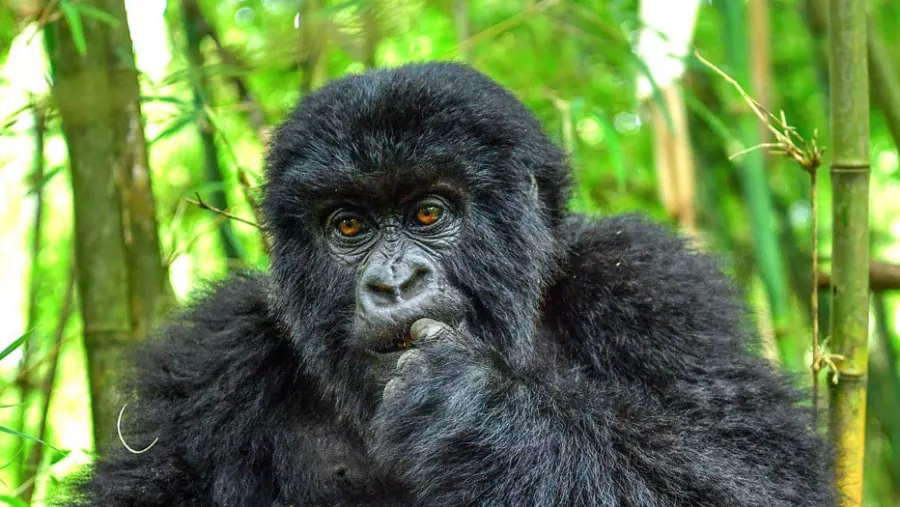
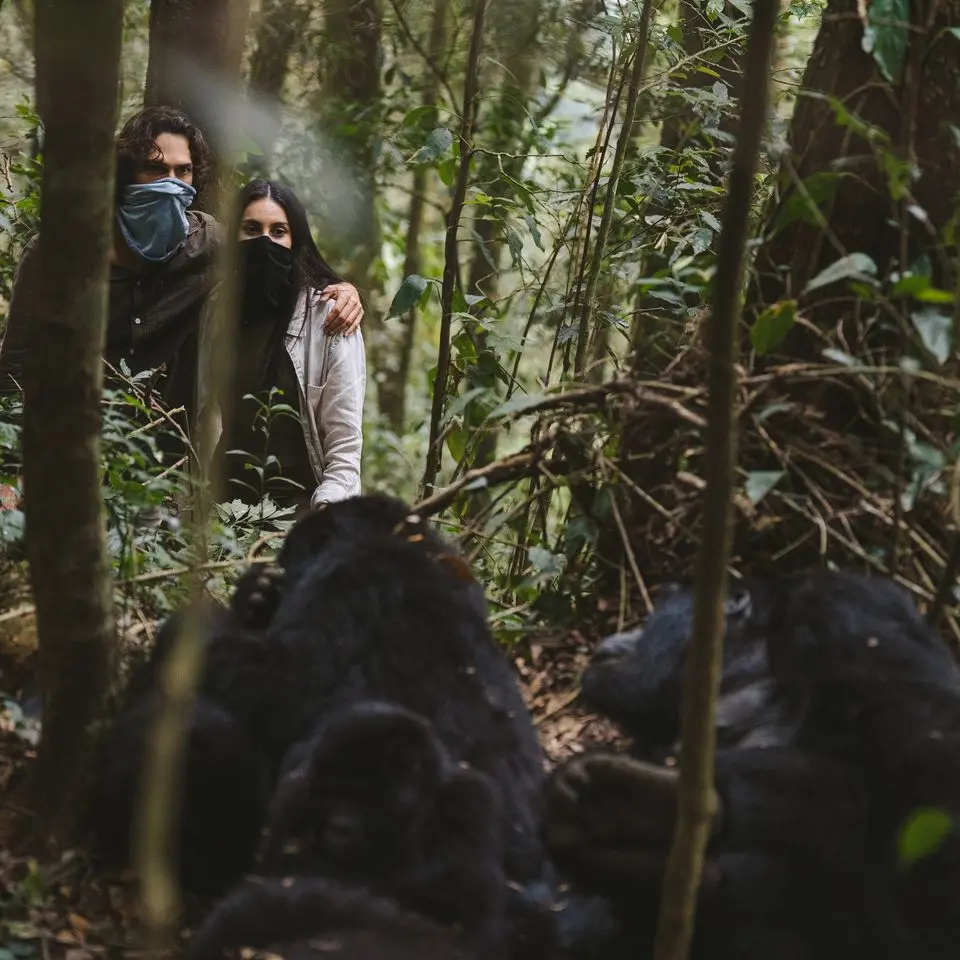
Mountain gorilla photography in Volcanoes National Park presents unique technical challenges: dense forest canopy creates dappled, rapidly changing light conditions; the gorillas move constantly and unpredictably; and the one-hour observation limit means there is no opportunity to wait for perfect light or a repositioned subject. Photography-focused travellers benefit enormously from working with a ranger or private guide who understands gorilla behaviour and can position the group for optimal light and proximity in the limited time available. Flash photography is prohibited in all gorilla encounters, making a fast prime lens (50mm f/1.4 or 85mm f/1.8) and a body with strong high-ISO performance essential equipment.

Golden monkey trekking offers a very different photographic challenge; the monkeys are highly mobile and acrobatic, moving through bamboo with speed and agility that rewards patience, continuous burst shooting, and a telephoto range of at least 200 mm. The early morning light in the bamboo forest, filtering through the stems at angles that illuminate the monkeys’ brilliant orange-gold fur against the green, produces images of exceptional quality when conditions align.

Photography safari itineraries at Rwanda Gorilla Expeditions are typically extended in duration, spending two days on gorilla trekking rather than one, combining standard and exclusive permits for maximum time with the animals, and structuring game drive timing in Akagera around light quality rather than just wildlife volume. A customized photography safari brief is always recommended when booking; it allows the team to match program design, guide selection, and lodge positioning to the specific photographic goals of the trip. Explore the full Rwanda safari styles guide to see how photography itineraries can be built.

Solo Rwanda Safari Style: The Freedom to Go Deeper

Rwanda is one of the safest and most comfortable destinations in Africa for solo travelers, and the solo safari market here has grown substantially over the past five years as the country’s reputation has broadened beyond its core gorilla-trekking identity. Solo travellers benefit from Rwanda’s compact logistics; the distances are manageable, the infrastructure is reliable, and the safety record is exceptional. They frequently find that the intimacy of the gorilla encounter amplifies when they experience it without the social negotiations of group travel.

The practical consideration for solo travellers is cost: gorilla permits at USD 1,500 and luxury lodge room rates are fixed per person rather than per couple or group, meaning the per-person cost of a solo Rwanda safari is considerably higher than the same itinerary shared between two or four travellers. There is no getting around this arithmetic. However, for solo travellers who are comfortable with the economics, Rwanda delivers a depth and intimacy of experience that group tours cannot replicate, and the country’s culture of genuine hospitality means that solo visitors are consistently made to feel welcomed, respected, and safe.

Solo travelers who want to manage costs without significantly compromising experience might consider the following design principles: staying in excellent mid-range lodges rather than ultra-luxury properties where the premium is primarily built on suite size; timing the trip outside peak season (June–September) to access better availability and occasionally lower rates; and building the itinerary around two park areas rather than three, which reduces ground transfer costs and lodge night requirements without materially diminishing the safari’s quality.

Conservation and Research Rwanda Safari Style: For the Traveller Who Wants to Go Beyond
Gorilla Conservation in Rwanda

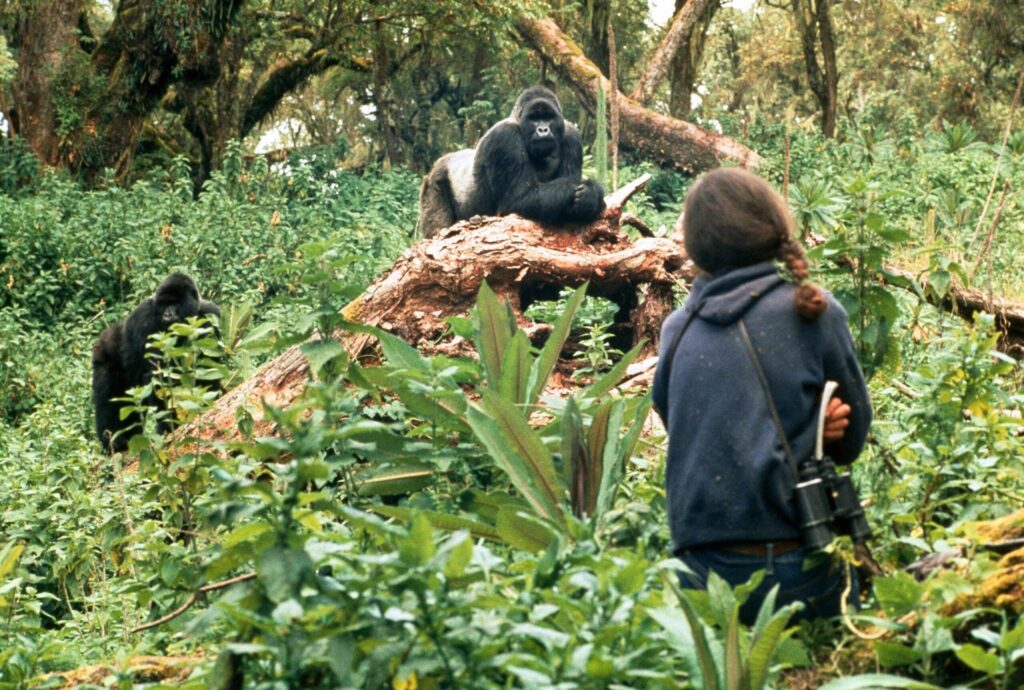
Rwanda’s conservation model is one of the most studied and admired in the world, and a growing number of travelers, scientists, conservationists, educators, journalists, and engaged general visitors want to engage with it at a level deeper than a standard trekking visit allows. Conservation-focused Rwanda safari itineraries are designed for this profile, combining standard wildlife experiences with structured access to the itineraries and the people driving the mountain gorilla recovery.

These itineraries typically include visits to the Dian Fossey Gorilla Fund’s Karisoke Research Center, which Fossey established in 1967 and which is still one of the most important primate research facilities in the world, as well as community benefit visits to villages that receive revenue-sharing income from gorilla permit fees and briefings by park veterinarians on the ongoing health monitoring of the habituated gorilla families. The Ellen DeGeneres Campus of the Dian Fossey Gorilla Fund, opened in 2022 near Musanze, is a world-class visitor and research facility that every conservation-focused traveller to Rwanda should include in their itinerary.

Some specialist operators also offer opportunities to join anti-poaching patrols with park rangers, participate in vegetation monitoring transects in the buffer zone, or contribute to data collection during gorilla trekking sessions. These itineraries require advance arrangements and are not available to all visitors; they are best suited for travellers with a genuine professional or academic background in conservation. The Rwanda Gorilla Expeditions team maintains connections with the relevant organizations and can advise on what is genuinely possible for a given travel profile.

Cultural Immersion Rwanda Safari Style: The Human Story Behind the Wildlife

Rwanda’s wildlife is extraordinary. Its human story is extraordinary in a different and equally profound way. A cultural immersion safari style weaves Rwanda’s communities, history, contemporary society, and artistic life into the wildlife itinerary, creating a travel experience that is deeper than purely nature-focused itineraries can provide.
Cultural Immersion Rwanda Safari Style

Kigali is the natural starting point for cultural engagement. Two nights in the capital allows time for the Kigali Genocide Memorial, a deeply important site that Rwanda approaches with remarkable honesty and measured dignity, as well as the Inema Arts Centre, which represents the most dynamic contemporary visual art scene in Central Africa. The Kimironko Market, the Nyamirambo neighborhood, and a curated cooking experience in a local home all add texture that transforms Kigali from a transit point into a destination in its own right.

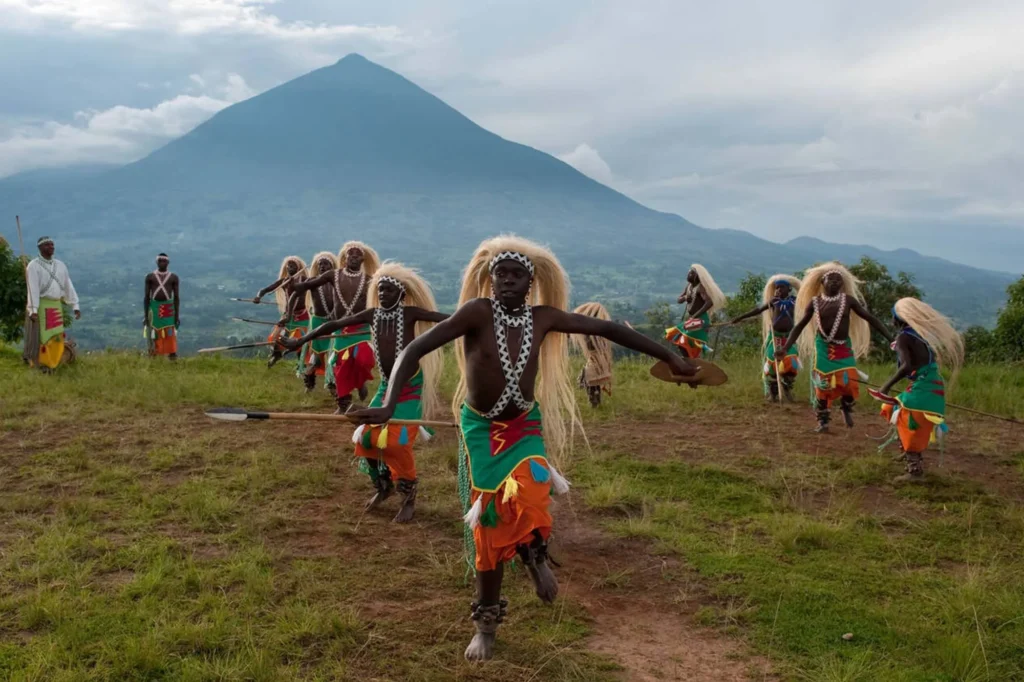
Around Volcanoes National Park, the Iby’iwacu Cultural Village near Kinigi offers an excellent, community-run introduction to traditional Rwandan practices intore dance performances, traditional archery, storytelling, and the preparation of local food. What makes Iby’iwacu different from purely performative cultural tourism elsewhere in Africa is that the program is genuinely owned by the community, and the resident guides from the communities that historically depended on the forest before gorilla conservation provide high-quality interpretation.

At Rwanda Gorilla Expeditions, cultural immersion itineraries focus on genuine connection rather than performative tourism. They do not replace wildlife experiences; they contextualize them, explaining why the forest matters beyond its gorillas, how the relationship between Rwanda’s communities and its conservation estate has evolved, and what the country’s extraordinary post-1994 recovery reveals about human resilience. This context makes every wildlife encounter more meaningful, not less. Visit the safari experiences guide to see how cultural programming is woven into full itineraries.

Plan Your Rwanda Safari

Start Planning a Private Gorilla Trek

Rwanda gorilla permits sell out months in advance. Secure your dates before the season closes.

Adventure and Active Rwanda Safari Style: For Travellers Who Want to Earn the View?

Rwanda rewards physical engagement more generously than almost any other safari destination in Africa. The Virunga volcanoes offer some of the finest high-altitude hiking on the continent, from the three-hour return trek to the rim of Mount Bisoke’s crater lake (3,711 metres) to the full two-day summit of Mount Karisimbi (4,507 metres), the highest peak in Rwanda and the second-highest in the Virunga chain. These hikes are physically demanding, conducted at altitude, and reward those who complete them with views across Rwanda, Uganda, and the DRC that rank among the most dramatic in East Africa.

In Nyungwe Forest, guided trail networks extend across 130 kilometers of mapped hiking routes, ranging from short loop walks at the Uwinka visitor center to full-day traverses that penetrate the forest’s most remote sections. Night walks, where the forest reveals its extraordinary invertebrate and nocturnal vertebrate life, are available by advance arrangements. The Canopy Walkway, a 200-metre suspension bridge 70 metres above the forest floor, is the most famous single experience in the park, but the trail network offers hours of additional exploration that most visitors do not reach.

Cycling is an emerging adventure format in Rwanda, capitalising on the country’s extraordinary topography and well-maintained road network. The Thousand Hills cycling circuit, which connects communities through the terraced mountain landscapes of the interior, is a remarkable two-to-four-day itinerary for travellers who want to move through Rwanda at human speed and engage with communities along the route. Lake Kivu adds kayaking, stand-up paddleboarding, and island exploration to the adventure menu.

Active safari travellers benefit from itineraries that sequence strenuous activities logically: volcano hikes before gorilla trekking (the hike is demanding; you want legs that are fresh for the forest), cycling before lodge nights (not after early morning drives), and rest days built into multi-activity programmes. The Rwanda Gorilla Expeditions team designs active itineraries with genuine attention to physical sustainability and pacing.

Short Break Rwanda Safari Style: The One-to-Three-Day Gorilla Experience

Not every Rwanda safari requires ten days and three national parks. For time-poor travellers, those with demanding professional schedules, frequent-flyer miles to deploy, and a desire to have the experience without building a full itinerary around it the short break Rwanda safari style delivers the essential encounter in a format that fits around a life.

A one-day gorilla trekking experience from Kigali is the most stripped-back version: fly into Kigali the evening before, transfer to Musanze first thing in the morning (two and a half hours by road or twenty minutes by helicopter), complete the gorilla trek, and return to Kigali for an evening flight or overnight stay. This format is not an ideal introduction to Rwanda; it prioritizes efficiency over immersion, but for travelers who already know Africa and specifically want to add the gorilla encounter to a broader itinerary, it is a perfectly executable option.

The two-to-three-day short break is a considerably richer format. Two nights near the park allow a gorilla trekking day, a golden monkey morning, an afternoon at Iby’iwacu Cultural Village, and the experience of waking up within sight of the volcanoes on both mornings, which, in itself, is an experience of considerable power. The lodges in the Volcanoes area justify a two-night minimum based simply on the quality of what they offer beyond the trek.

Browse the available short Rwanda safari itineraries and the team will advise on which format best matches your travel dates and objectives. Permit availability for short-notice bookings can be constrained during peak season, so contacting the team early is strongly recommended even for brief visits.

Permits are limited — spaces fill months ahead

Reserve Your Private Gorilla Trek

Speak with a Rwanda-based specialist today. We secure permits, match you to the right gorilla family, and plan every detail around your schedule.

No group departures · Private itineraries only · Direct Rwanda expertise

Multi-Country Rwanda Safari Style: Rwanda Combined with Uganda or Tanzania

Rwanda’s position at the heart of East Africa’s primate belt makes it a natural anchor for multi-country safari itineraries that draw from the broader regional menu. The most popular combination is Rwanda and Uganda, a pairing that allows travelers to compare the two gorilla trekking experiences (Rwanda’s permit costs USD 1,500 versus Uganda’s USD 800, but Rwanda offers superior infrastructure and shorter average trek times), add chimpanzee trekking in Uganda’s Kibale Forest or Bwindi’s Rushaga sector, and experience the dramatic landscapes of the Rift Valley Escarpment and Queen Elizabeth National Park.

Rwanda Safaris: The Complete Expert Guide (2027)

The Rwanda-Uganda border crossing at Cyanika, just outside Kisoro and forty minutes from Volcanoes National Park, is efficient and well-managed. Most travellers cross by private vehicle; the transition between the two countries’ park systems is seamless when arranged by an operator with ground operations on both sides. A combined Rwanda-Uganda itinerary of ten to fourteen days typically covers gorillas in both countries, chimpanzees in Kibale or Kyambura Gorge, game drives in Queen Elizabeth, and cultural visits in both capitals.

For travelers interested in a broader East African combination, Rwanda pairs naturally with Tanzania’s Northern Circuit Serengeti, Ngorongoro, and Tarangire via Nairobi as a hub. This combination delivers both the primate encounter that Rwanda uniquely offers and the open-savannah migration drama that Tanzania does better than anywhere else on earth. A well-designed two-country itinerary of twelve to sixteen days covers both dimensions without feeling rushed. Read the detailed Rwanda vs Uganda gorilla trekking comparison to understand the full picture before deciding whether a single-country or multi-country design best serves your objectives.

How to Choose the Right Rwanda Safari Style for You

The decision matrix for Rwanda safari-style selection is simpler than it might initially appear. Five questions, answered honestly, point most travelers directly to the right format.

How much time do you have? One to three days calls for a short-break itinerary focused on gorilla trekking. Four to seven days opens up Akagera or Nyungwe as a second destination. Eight days or more allows the full circuit and potentially a multi-country extension.

Who are you travelling with? Solo travelers need cost-aware design and private flexibility. Couples, particularly honeymooners, need intimacy, lodge quality, and the option of exclusive experiences. Families need age-appropriate sequencing and activities that engage every member. Groups benefit from coordinated logistics and occasionally combined permit blocks.

What is your primary motivation? If it is the gorilla encounter above all else, design the entire itinerary to deliver that experience at maximum quality. If it is a broader wildlife itinerary, balance the park areas. If it is cultural immersion, anchor in Kigali and build outward. If it is a physical adventure, it centers on volcano hikes and forest trails.

What is your budget? Rwanda does not lend itself to budget travel; the permit costs are fixed and high, but you can manage accommodation and transport variables meaningfully. The spectrum from excellent mid-range lodges to ultra-luxury properties spans roughly USD 200 to USD 2,500 per person per night, and an experienced operator will identify where compromise on accommodation quality genuinely matters and where it does not.

How important is exclusivity? If privacy, personalization, and a uniquely crafted experience are paramount to you, plan your itinerary with private transfers, private guiding, and, for the ultimate gorilla encounter, the exclusive trekking permit. If shared experiences and convivial group dynamics are appealing, standard group itineraries within the eight-person limit deliver perfectly enjoyable encounters at a lower cost.

How Rwanda Gorilla Expeditions Designs Your Ideal Safari Style

Every itinerary designed by Rwanda Gorilla Expeditions begins not with a template but with a conversation. The team’s first obligation is to understand who you are as a traveller, what you have done before, what you found remarkable, what you found lacking, and what you hope Rwanda will deliver that other destinations have not. This conversation shapes every decision that follows: which gorilla families to request based on current tracking data and your fitness level; which lodges offer the specific kind of atmosphere you want; how many days to allocate to each park area; and whether a helicopter transfer is a genuine enhancement or merely an expensive shortcut.

The team operates in Rwanda daily, which means permit availability, current trekking conditions, seasonal lodge promotions, and ground-level logistics are known in real time rather than sourced from outdated brochure copy. When a gorilla family is temporarily off itinerary, when a lodge closes for renovation, or when a new experience becomes available in the park buffer zone, this information reaches the planning process immediately, and your itinerary reflects the reality of Rwanda as it exists when you travel, not as it existed when a brochure was written.

Whether your safari style is luxury, fly-in, family, honeymoon, photography, conservation, adventure, short break, or multi-country, the Rwanda safaris designed by this team are built to the same standard: private, precise, and delivered with the kind of local knowledge that cannot be substituted by any platform, algorithm, or generalized operator.

Ready to Trek? Permits are limited — plan early.

Frequently Asked Questions: Rwanda Safari Styles

What is the most popular Rwanda safari style?

The luxury gorilla trekking safari remains the most popular Rwanda safari style internationally, typically combining two to three nights near Volcanoes National Park with one or two additional nights in Akagera or Nyungwe. However, the honeymoon safari and family safari styles have grown significantly in recent years, and photography-focused itineraries are increasingly requested by serious wildlife photographers attracted by the access levels Rwanda’s guiding infrastructure enables.

Can I design a Rwanda safari around a specific interest, like photography or conservation?

Yes, and this is strongly recommended over booking a standard template itinerary. Photography safaris benefit from extended time in each ecosystem, specific guide selection, and permit timing that prioritizes optimal light conditions. Conservation programs require advance coordination with the Dian Fossey Gorilla Fund and the Rwanda Development Board. Communicate any specialist interest at the initial planning stage so the team can build the itinerary around it rather than retrofitting it later.

What is the minimum number of days needed for a meaningful Rwanda safari?

Three days is the practical minimum for a gorilla trekking experience from Kigali, including travel days. Five days allows a gorilla trekking experience plus one additional destination, either Akagera or Nyungwe. Seven to ten days delivers the full Rwanda circuit across all three national parks with meaningful time in each, plus Kigali. For travellers who want to add Uganda, a minimum of ten to twelve days is recommended to avoid the itinerary feeling rushed.

Is a Rwanda honeymoon safari significantly more expensive than a standard safari?

Not inherently, though most couples choose to upgrade to premium lodges and occasionally add exclusive trekking permits, both of which increase the overall cost. The gorilla permit itself, USD 1,500 per person, is the same regardless of travel purpose. The premium associated with honeymoon travel in Rwanda typically comes from lodge suite selection and bespoke itinerary additions rather than from any category-specific pricing.

Is Rwanda a good safari destination for first-time Africa travellers?

Rwanda is an excellent choice for first-time Africa visitors. Kigali is one of the continent’s safest and most navigable capitals. The park infrastructure is well-developed and professionally managed. The gorilla trekking experience is well-explained and guided throughout, removing the navigational uncertainty that challenges first-time visitors in less developed safari destinations. Rwanda also benefits from a compact geography that prevents the exhausting multi-day transit legs that characterize larger African safari circuits.

How does the luxury Rwanda safari compare to luxury Kenya or Tanzania safaris?

Rwanda’s luxury tier is comparable in service quality and accommodation standard to the best camps in the Masai Mara or Serengeti, but the experience is categorically different. Kenya and Tanzania deliver open savannah wildlife drama at an unmatched scale; Rwanda delivers rare primate encounters and a depth of ecological immersion that plains safaris cannot replicate. Many experienced travellers now combine a Rwanda gorilla itinerary with a Tanzania migration safari as the definitive East African itinerary.

What is the best safari style for a group visit to Rwanda?

Group travel in Rwanda is most effective when the group shares a clear primary objective: gorilla trekking for a wildlife-focused group, cultural engagement for a heritage-focused group, or active programming for an adventure group. Groups of eight or more can coordinate gorilla permit allocations across multiple trekking days, allowing everyone to trek while also enabling the group to experience different gorilla families and compare their encounters. Private vehicle convoys, coordinated lodge bookings, and a single point of contact for permits and logistics are all advisable for groups.

Can I do an active volcano hike and gorilla trekking in the same Rwanda trip?

Yes, and this combination is one of the most popular among active travelers. The most commonly paired volcano is Mount Bisoke, a three- to four-hour return hike to a stunning crater lake at 3,711 meters. Mount Karisimbi, a two-day summit hike at 4,507 meters, is typically scheduled the day before gorilla trekking to allow a recovery night in the lodge. The key sequencing principle is to complete the most physically demanding activity before gorilla trekking, ensuring you arrive at the park briefing with fresh legs.

What should I tell the operator when planning my Rwanda safari style?

The most useful information for a planning conversation includes who is travelling and their ages, approximate fitness levels, previous safari experience, the experiences you most want to prioritise (gorilla trekking above all, or a balanced multi-park programme), your preferred accommodation style, your travel dates and flexibility, and any special occasion or specific interest that should shape the programme. The more context you provide at the outset, the more precisely we can design your itinerary.

Is the exclusive gorilla trekking permit worth the premium over a standard permit?

For certain traveller profiles, the answer is yes, unequivocally so. Honeymooning couples, solo travellers who want the encounter entirely on their terms, professional photographers or filmmakers, and conservation donors who want extended time with the animals are all profiles for which the exclusive permit delivers a categorically different experience that justifies the USD 15,000 price point. For travellers whose primary goal is the gorilla encounter itself rather than the surrounding privacy, the standard USD 1,500 permit for an eight-person group is excellent value.

How far in advance should I book a Rwanda safari?

Gorilla trekking permits during peak season (June–September and December–January) sell out three to six months in advance. For the exclusive trekking permit, advance notice of at least three months is advisable. Luxury lodge availability during peak season is similarly constrained. Outside peak season, shorter lead times are possible, though two to three months remains the minimum for a well-organized itinerary. Contacting Rwanda Gorilla Expeditions as early as possible ensures the widest range of permit dates and lodge choices.

What is the difference between Rwanda's travel styles guide and booking a standard tour?

A standard tour follows a fixed template with set dates, set accommodation, and set activities designed for the median traveller. A travel style approach begins with your profile: who you are, what you want, and how you travel, and builds an itinerary that reflects it precisely. This distinction matters enormously in Rwanda, where the difference between a gorilla trek that aligns perfectly with your fitness, photographic goals, and preferred pace, and one that does not, is determined entirely by how carefully the itinerary was designed around you specifically.

Start Planning Your Rwanda Safari Style with Rwanda Gorilla Expeditions

The safari style that delivers the most rewarding Rwanda experience is not the most expensive, the most adventurous, or the one that sounds best in conversation; it is the one designed around exactly who you are as a traveller. Rwanda Gorilla Expeditions specializes in exactly this kind of precise, profile-first design. The team does not present a catalogue and ask you to choose; they ask the right questions, apply their daily ground-level knowledge of Rwanda’s parks, lodges, and logistics, and build an itinerary that you could not have arrived at without them.

Lake Kivu

From an intimate two-night honeymoon gorilla itinerary to a fourteen-day multi-country expedition combining Rwanda, Uganda, and Tanzania’s Northern Circuit, every safari this team builds is private, fully customized, and executed with the precision that comes from operating in a single destination with genuine depth of expertise. Explore the full range of Rwanda safari experiences, read the travel guide for current on-the-ground intelligence, and then reach out to begin the conversation. Rwanda is waiting, and the right safari style for you already exists. It just needs to be designed.