Best of Rwanda’s National Parks Safari

Akagera | Nyungwe Forest | Volcanoes National Park

10 Days | Fully Private | Big Five, Chimpanzees, Mountain Gorillas & Golden Monkeys

Explore Akagera, Nyungwe & Volcanoes on Rwanda’s ultimate 10-day safari. The Big Five, chimps, gorillas, and golden monkeys are all fully private and guided by experts.

Rwanda is not one country. It is three. There is the Rwanda of the east: wide, open, golden with dry-season light, where lions move through tall grass beside oxbow lakes and hippos barely bother to lift their heads as your boat drifts past. There is the Rwanda of the south: ancient and cathedral-dark, where the forest that has stood for millennia closes over you like a hand, and a chimpanzee screams somewhere in the canopy above with a volume that rearranges your understanding of what a forest is for. And there is the Rwanda of the north: volcanic, cool, and impossibly still at dawn, where a mountain gorilla family sits in a clearing of wild celery and the silverback watches you with the composure of someone who has decided, long ago, that you are not a threat.
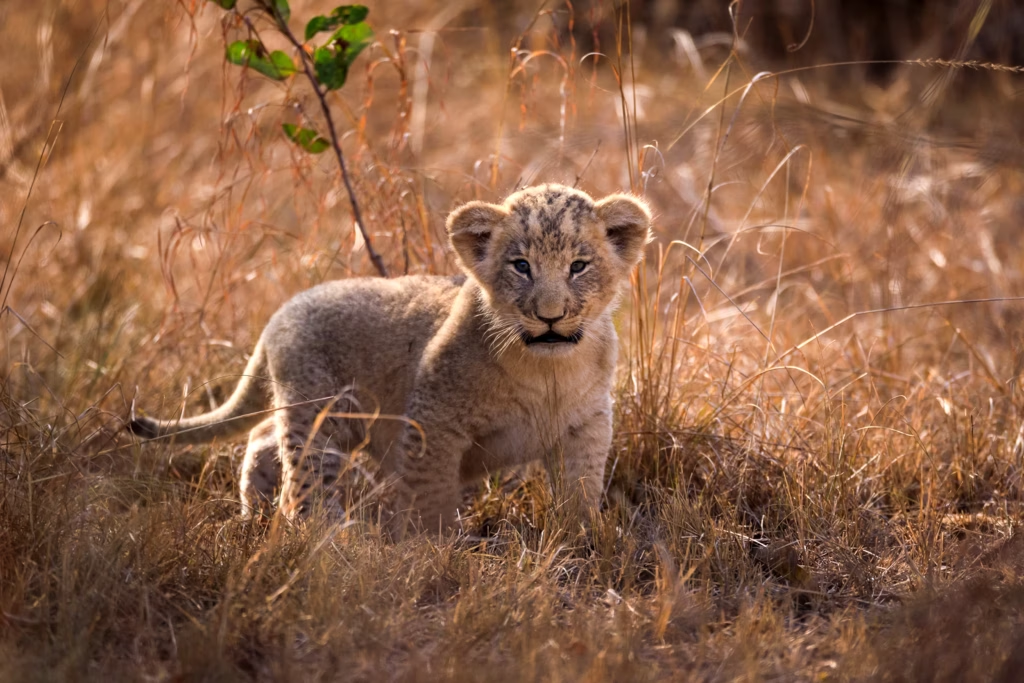
Best of Rwanda's National Parks Safari

Most travelers choose one. The Best of Rwanda’s National Parks Safari is for the traveler who refuses to choose just one. This is the complete Rwanda: ten days and three completely distinct ecosystems, each offering a wildlife experience that is not replicated anywhere else on the continent, sequenced in an order that builds savannah to rainforest to volcanic highlands like a piece of music composed for a single listener. It is the itinerary that Rwanda Gorilla Expeditions recommends to guests who ask the most important question in luxury travel: not ‘what can I afford?’ but ‘what does Rwanda actually offer, and how do I experience all of it?’

The answer is this journey. Every day offers a genuine wildlife encounter that no other African destination can replicate. Every transfer is private. Every lodge has been selected for its understanding of what luxury means in a landscape of this intensity. And every detail from your gorilla permit to your boat on the lakes is arranged before you land, confirmed, and waiting.
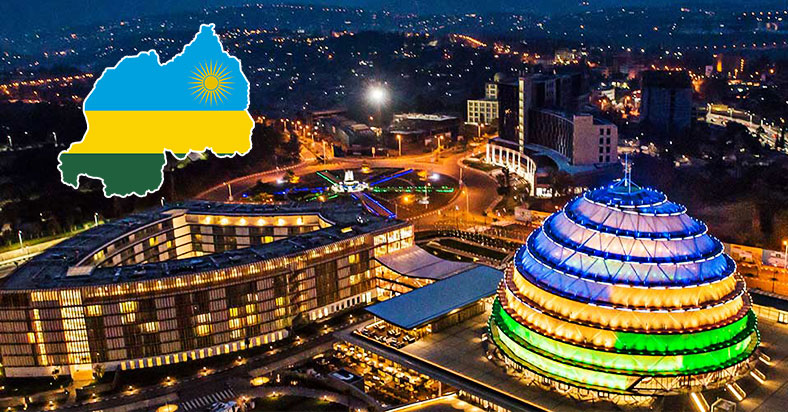
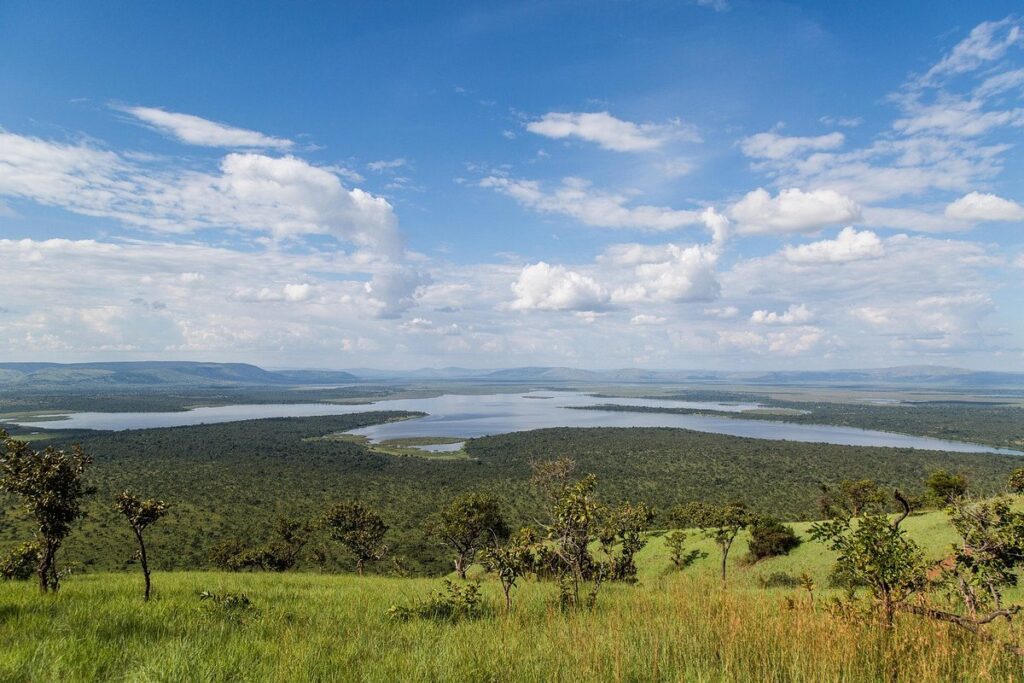
Best of Rwanda’s National Parks Safari Itinerary at a Glance.

DAY LOCATION HIGHLIGHTS
Day 1 Kigali: Arrival Private airport meet, city orientation, curated welcome dinner
Day 2 Kigali → Akagera National Park Scenic eastern transfer, afternoon game drive, Big Five landscape, lodge check-in
Day 3 Akagera National Park Full-day game drive, savannah, Lakes Ihema & Rwanyakizinga boat safari, sundowner
Day 4 Akagera → Kigali → Nyungwe Forest Morning game drive, transfer south, afternoon forest walk, lodge arrival
Day 5 Nyungwe National Park Chimpanzee trekking, ancient rainforest, primate encounters
Day 6 Nyungwe National Park Canopy walkway experience, forest birding, Colobus monkey troop
Day 7 Nyungwe → Lake Kivu → Volcanoes Scenic drive, Lake Kivu lunch stop, transfer to Volcanoes, lodge check-in
Day 8 Volcanoes National Park Mountain gorilla trekking, one hour with a habituated gorilla family
Day 9 Volcanoes National Park Golden monkey trekking, twin crater lakes boat excursion, farewell dinner
Day 10 Volcanoes → Kigali — Departure Musanze Caves walk, farewell brunch, private airport transfer

Safari Overview

Duration 10 Days / 9 Nights
National Parks Akagera, Nyungwe Forest & Volcanoes
Starts / Ends Kigali International Airport
Group Type Fully private, your group exclusively
Accommodation Luxury lodges, full board throughout
Wildlife Highlights Big Five, chimpanzees, mountain gorillas, golden monkeys, 500+ bird species
Gorilla Permit USD 1,500 per person (included)
Golden Monkey Permit USD 100 per person (included)
Min. Age (Gorillas) 15 years
Ideal For Families, couples, friends, and solo travelers seeking Rwanda’s complete wild profile

Permits are limited — spaces fill months ahead

Reserve Your Private Gorilla Trek

Speak with a Rwanda-based specialist today. We secure permits, match you to the right gorilla family, and plan every detail around your schedule.

No group departures · Private itineraries only · Direct Rwanda expertise

Detailed Itinerary for the Best of Rwanda’s National Parks Safari.

Day 1: Arrival in Kigali | City Orientation | Welcome Dinner

Kigali lands on most first-time visitors with gentle force. This is not the Africa of the imagination sprawling, chaotic, and unpaved but a city of broad, clean avenues, a horizon of hills covered in rust-red rooftops, and an atmosphere of deliberate reinvention that is both striking and quietly moving. Your Rwanda Gorilla Expeditions representative is at the arrivals hall when you clear customs, the kind of steady, unhurried presence that immediately communicates that the complicated part of getting here is over.

Your private vehicle, cool and spacious, loaded with chilled water and a brief welcome note from your lead guide, takes you to your Kigali hotel: a luxury property in the upland residential district, where the rooms look out over the valley and the pool sits at an elevation that catches the late-afternoon sky at its most theatrical. There is nothing rushed about this first afternoon. The city is yours to approach at whatever pace suits: a walk through the nearby Kimironko market, a visit to the Inema Arts Centre, where Rwanda’s contemporary creative energy is on vivid and generous display, or simply a cold Primus beer on the terrace as the hills turn orange.

Kigali City

The welcome dinner is a curated introduction to Rwanda’s culinary identity, a cuisine that draws on East African staples but expresses them with the same care and directness that characterizes the country itself. Brochettes, isombe, the particular sweetness of Lake Kivu tilapia, and plantain in forms you haven’t considered. The conversation, among a group who have traveled this far for the same reason, rarely stays on the food for long. Tomorrow the east awaits, and the anticipation is already its kind of pleasure.

Day 2: The Road East | Akagera National Park | Afternoon Game Drive

The drive from Kigali to Akagera National Park takes roughly two hours east, and it reads like a gradual change of key. The terraced hillsides of the capital region give way to more open country as the altitude drops, the light broadening, the air warming, and the vegetation shifting from the cool green of the highlands to the tawny gold of semi-arid savannah. By the time you pass through Akagera’s main gate and your dedicated guide makes the first radio call to the tracking team inside the park, you are in an entirely different Rwanda.

Akagera National Park: Rwanda's Big Five Safari Guide 2027

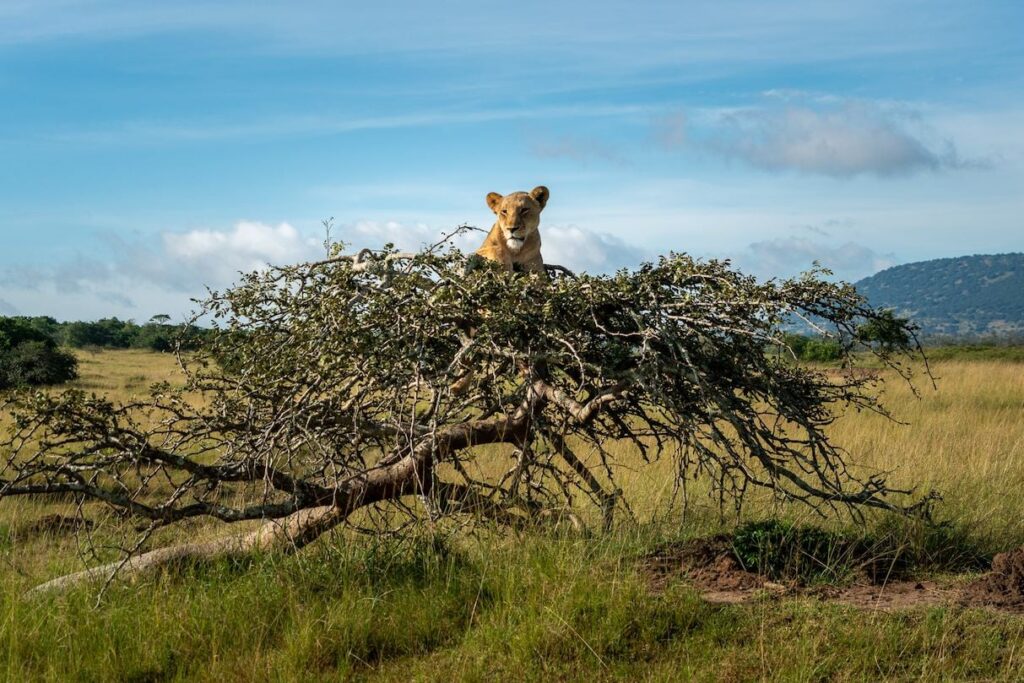
Akagera National Park is one of Africa’s conservation success stories, a park that was badly depleted through the 1990s and has, through a partnership between the Rwanda Development Board and African Parks, been systematically and dramatically restored. Lions, long locally extinct, were reintroduced in 2015. Black rhino followed in 2017 and 2021, completing the Big Five for the first time in decades. Akagera today is a different park from the one most guidebooks describe, featuring elephants, buffalo, leopards, and a population of hippos so dense in the lake systems that visitors hear them before they see them, and it rewards those who arrive expecting to be surprised.

The afternoon game drive covers the park’s central corridor, the acacia-and-whistling-thorn savannah that opens up along the ridgeline above Lake Ihema, where elephant families move in single file between the water and the shade. Your private guide reads the landscape with the fluency of someone who has been coming here for years, slowing the vehicle before the guest notices anything, then parking in the exact position that gives the best angle as a lion lifts its head from the long grass forty meters away. Sundowners are served at a point above the lake as the light falls and the hippos begin their evening chorus.

Accommodation at Akagera is in a luxury lodge set on a rise above the western lakeshore, a property that manages the difficult trick of feeling simultaneously remote and deeply comfortable. The rooms are large, the outdoor showers open to the stars, and the dining deck faces the water with the unselfconscious confidence of a place that knows it has nothing to prove.

Day 3: Full Day in the Savannah | Game Drives & Boat Safari on Lake Ihema

A full day in Akagera reveals what the park’s morning and afternoon rhythms actually mean in practice. Pre-dawn departure: the vehicle leaving the lodge before first light, the grass still silver with dew, places you in the landscape at the hour that East African wildlife has operated on since long before there were roads. If lions moved overnight, their own footprints in the wet sand of the tracks sometimes reveal their dawn resting positions. Leopard sightings in Akagera are less frequent than in the older-established parks but have become more consistent as the population recovers; your guide knows the specific kopjes and riparian corridors where encounters are most likely.

Rwanda Safaris: The Complete Expert Guide (2027)

The central lake system, with Lakes Ihema, Rwanyakizinga, Shakani, and Hago strung together by the Kagera River, forms the biological heart of the park. A morning game drive along the lakeshore tracks takes you through tightly compressed ecosystems: open grassland, papyrus marsh, acacia woodland, and the dense riverine forest that lines the Tanzanian border. Buffalo herds of several hundred animals are a daily reality in the dry season; giraffe, topi, zebra, waterbuck, and the reed-fringed edges of every lake are alive with waterbirds that have made Akagera one of the finest birding destinations in Central Africa, with over 480 species recorded, including the sought-after shoebill stork in the northern papyrus swamps.

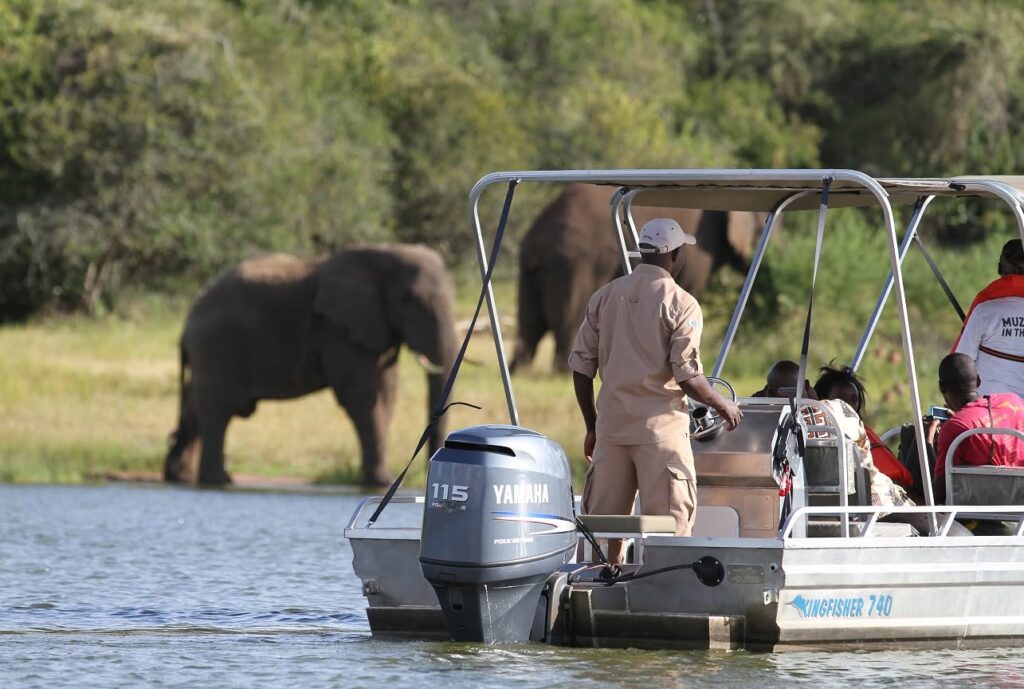
Lake Ihema Boat Safari

The boat safari on Lake Ihema is the afternoon’s centrepiece, and it is impossible to overstate how different it feels from a game drive. The water is vast eleven square kilometres of it and the scale changes every proportion. Hippo pods that would seem large on land appear overwhelming at water level: a group of thirty, pink-jawed and permanently irritated, parts for the boat with the minimum of effort and maximum of noise. Nile crocodiles sun themselves on the grassy banks with the immobility of stones. Fish eagles call from the fever trees. A family of elephants drinks at the far shore, small as toys in the distance. The entire scene has a quality of unhurried abundance that is one of the defining sensory memories of the park.

Boat Safari on Lake Ihema

Dinner on the lodge deck as the park sounds filter in from the darkness frogs, nightjars, the occasional distant bark of a hyena, and the conversation turns inevitably to tomorrow: a long drive south, and the oldest forest in Africa waiting at the other end of it.

Day 4: Farewell to the Savannah | The Long Drive South | First Steps into the Ancient Forest

The drive from Akagera to Nyungwe Forest National Park is Rwanda’s great cross-country traverse, roughly five hours of changing landscape as your private vehicle moves from the dry east through the terraced central plateau and then begins to climb again, steeply, into the southwestern highlands where the air is different and the vegetation, as you approach the park boundary, transforms into something so dense and so green that it seems to absorb light rather than reflect it.

A final morning game drive in Akagera, shorter and oriented around any specific sightings your guide has intelligence on provides a proper farewell to the savannah before the vehicle is packed and the road south begins. Lunch is arranged at a well-regarded restaurant in the small town of Huye (Butare), the university city that serves as Rwanda’s intellectual and cultural hub and whose small but excellent national museum offers an hour of genuine context for the country you are traveling through.

Arrival at the Nyungwe lodge in the late afternoon gives just enough time to step out onto the forest-edge terrace and register what has happened to the landscape. The tea plantations that border the park on its eastern and southern margins stretch away in perfect geometric rows, and beyond them the dark, impenetrable forest rising steeply up the ridgeline operates on a scale that makes the lodges at its edge look appropriately modest. This forest is believed to be up to sixty million years old. Standing on the terrace in the afternoon light, that number ceases to be an abstraction. Something here is genuinely, unmistakably ancient.

Your private guide briefs you over dinner about what tomorrow holds: the chimpanzee groups habituated for trekking, the terrain, the timing, and the protocols. The dining room at the lodge, elevated above the forest canopy, offers a view of the sunset over the Congo Basin hills that has, on more evenings than can be counted, caused guests to set down their wine and simply look.

Day 5: Chimpanzee Trekking in Africa's Oldest Rainforest

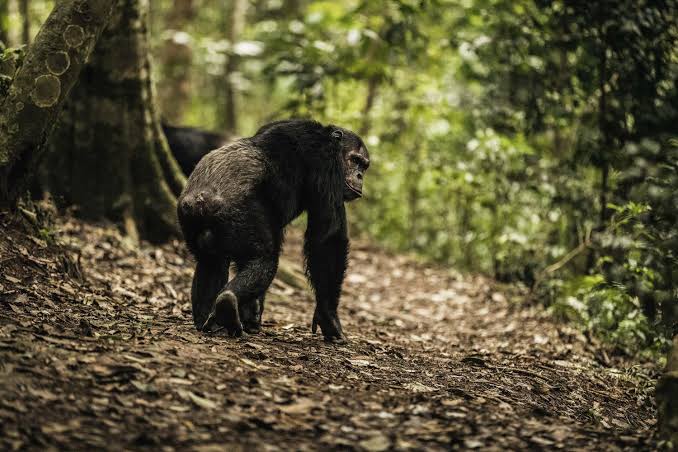
Chimpanzee trekking in Nyungwe operates on different terms from mountain gorilla trekking, and the difference matters. Where gorilla encounters are quiet and heavy with significance, a weight that most guests describe as almost ceremonial, chimpanzee encounters are chaotic, fast-moving, and acoustically overwhelming. Chimpanzees communicate in screams that carry for miles, and when a habituated group is located, the noise arrives several minutes before they do. The forest seems to vibrate with it.

The morning begins with an early departure from the lodge, breakfast served before six, and the vehicle leaving while the forest is still in its overnight stillness. The briefing at the park gate covers the tracking protocols: groups are led by experienced guides who have worked with the habituated chimpanzee communities for years and have a working knowledge of their individual personalities, family structures, and daily ranging patterns. The hike through the forest to locate the group can take anywhere from forty minutes to three hours depending on overnight movement; the terrain is steep, the trails root-crossed and occasionally very slippery, and the physical challenge is more sustained than a gorilla trek.

Chimpazee Treks in Gishwati

When you make contact, the scene is extraordinary. Chimpanzees are the primates most similar to humans in their social behavior, group politics, alliances and hierarchies, and communal grooming, as well as in the sudden, spectacular violence of a dominance display; watching them in their own forest, in their own time, is unlike anything achievable in captivity or on television. They move through the canopy with an athleticism that makes human locomotion seem cartoonishly inefficient. They watch you with a curiosity that feels non-anthropomorphized; they are genuinely interested in the small group of bipeds standing below them in the undergrowth with their cameras.

The luxury Rwandan primate safari experience that this itinerary is part of draws its particular power from the comparison between the chimpanzees here and the mountain gorillas of the north. They are related, yet they are radically different, and experiencing both within the same ten-day journey produces an understanding of primate evolution and behavior that no amount of reading can replicate.

The afternoon is unscheduled by design. The forest boundary walk, a two-hour guided trail along the park edge, through communities of blue monkeys and L’Hoest’s monkeys that treat the path with comfortable familiarity is available for guests who find the morning has left them wanting more. For others, the lodge terrace, a good book, and a long lunch watching the forest mist clear from the valley below are the correct response to a morning of maximum intensity.

Day 6: The Canopy Walkway | Angola Colobus Monkeys | Forest Birding

The second day in Nyungwe has a different tempo from the first, and the contrast is intentional. Where the chimpanzee trek demands physical commitment and emotional engagement at high intensity, today is about the forest itself: its layers, its sounds, and its almost impossible biological complexity, and the canopy walkway is the structure that makes the forest’s upper world accessible.

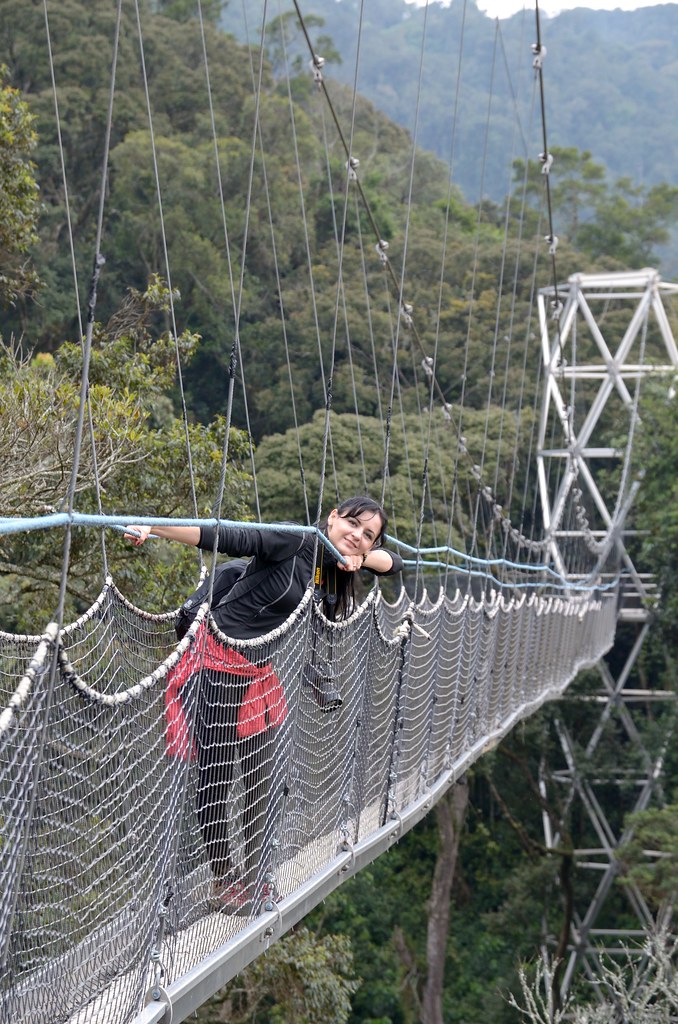
Nyungwe Canopy Walk

The Nyungwe canopy walkway, suspended 50 meters above the forest floor along a series of rope bridges anchored to the emergent trees, is the only facility of its kind in East Africa and one of the most extraordinary vantage points available to wildlife travelers anywhere in the world. The experience of walking above the forest canopy, hearing the sounds that normally exist only at altitude, watching hornbills pass at eye level, and looking down onto the roof of a forest that stretches unbroken to the Congolese border is one that guests consistently struggle to describe adequately. The closest they get is ‘I felt very small and very privileged at the same time.’ ‘

Angola Colobus Monkey Troops

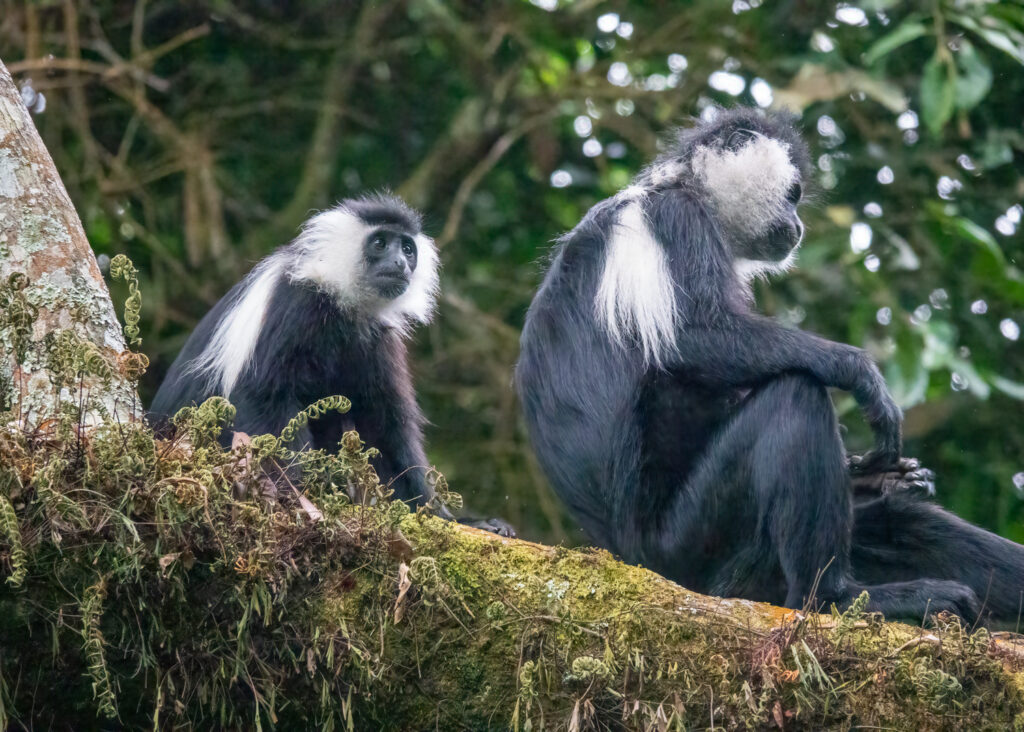
Nyungwe is home to the largest population of Angola colobus monkeys in East Africa, with troops of over three hundred individuals, among the largest primate groups recorded anywhere on the continent. An encounter with a colobus troop is an entirely different experience from the chimpanzees: these are peaceful, unhurried animals, draped in their dramatic black-and-white fur like monks in a procession, moving through the canopy with a deliberateness that makes photography far easier than with the chimps. Your guide knows the regular morning locations of several troops along the canopy walkway trail and will position the group accordingly.

Angola Colobus Monkey Troops

The afternoon is given to forest birding, and for guests who have any interest in birds at all, the experience is a genuinely significant offering. Nyungwe hosts over 310 bird species, 30 of which are Albertine Rift endemics found nowhere else on earth. The Grauer’s swamp warbler, the Ruwenzori turaco, the handsome francolin, and the red-collared mountain babbler, your guide is a practiced birder whose knowledge of Nyungwe’s avifauna is comprehensive and whose enthusiasm for it is unconcealed. Even guests who have never described themselves as birders consistently leave this afternoon having added several species to a list they did not know they were keeping.

Dinner is the second-to-last evening in the forest, and it has the feeling of an imminent farewell, a mood that the best lodges in Nyungwe manage with instinctive grace. The food is warm, the service unhurried, and the conversation between guests who have now spent two full days in the same extraordinary ecosystem has taken on the quality of a shared language.

Day 7: The Lake Kivu Shore Road | Rwanda's Most Beautiful Drive

The drive from Nyungwe to Volcanoes National Park via the western Lake Kivu shore road is, by the consensus of almost every Rwanda traveler who has made it, the most beautiful drive in the country. This is a claim that requires some qualification in a country where the landscape is routinely spectacular, but the road north along the lake, the water visible to the west through breaks in the volcanic hills, the surface of Kivu so vast it resembles the sea, and the fishing communities on the shore carrying on a centuries-old commerce in the foreground of views that reach all the way to the eastern DRC earn the superlative without effort.

Departure from Nyungwe after an early breakfast and a final walk along the park boundary gives the forest a proper farewell. The road north climbs out of the Nyungwe highlands, passes through the tea-garden country of the Rwandan highlands, and then descends toward the Kivu shore at Cyangugu before turning northward along the lake. Lunch is arranged in Gisenyi (Rubavu), the resort town at Kivu’s northern tip a place of open-air restaurants, cooling lake breezes, and a quality of afternoon light that makes the Congo hills across the water look like something from a painting. It is the first genuinely relaxed meal of the safari, and most guests linger longer than planned.

The final section from Gisenyi to Musanze and the Kinigi foothills of Volcanoes National Park takes less than an hour. The lodges here have been chosen for their understanding of what a guest needs the evening before a gorilla trekking day: early kitchen service, a kit check with your private guide, and a dinner that is just right enough to be satisfying without being heavy enough to slow you down on the mountain in the morning. The Virunga volcanoes, visible in the last of the evening light as you arrive, are a reminder, if any were needed, of why the whole ten days have been pointing here.

Day 8: Mountain Gorilla Trekking | The Encounter the Journey Was Built Around

This is the morning that the entire arc of the journey; the savannah, the rainforest, and the seven days of extraordinary wildlife experiences that have preceded it has been building toward. Not because the gorilla encounter is more valuable than what came before, but because it is different from anything that came before in a way that makes ‘wildlife experience’ feel like an inadequate category.

Pre-dawn breakfast, warm and efficient, at the lodge. The drive to the Rwanda Development Board briefing center takes twenty minutes from the Kinigi lodges, and the early morning road through the farming villages at the park edge with women carrying loads to market and schoolchildren in immaculate uniforms walking in single file, the mist still sitting in the lower valley, is a reminder that the forest you are about to enter is not a wilderness in the sense of being uninhabited. It is a conservation landscape that exists in daily negotiation with the communities that surround it, and the permit fee that grants your access is part of that negotiation.

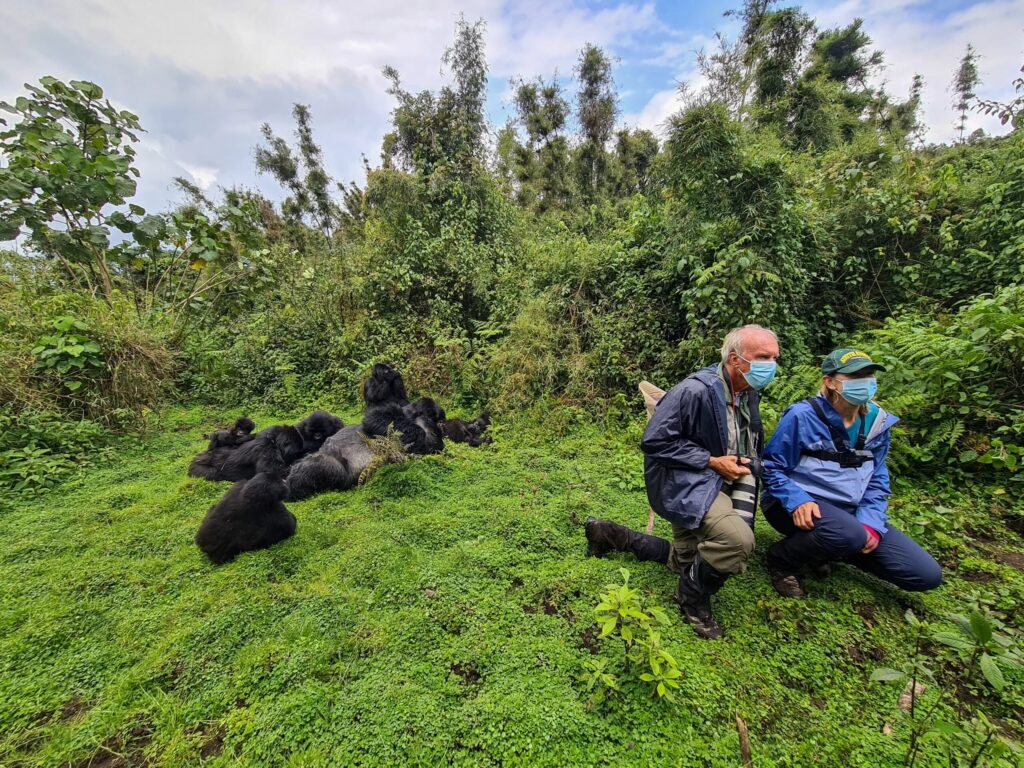
Senior rangers deliver the pre-trek briefing at the park gate with a measured authority. The rules are clear and conservation-rooted: seven meters minimum distance at all times, no flash photography, and health protocols that exist because mountain gorillas share enough human DNA to catch a common cold. Your group of up to eight visitors is assigned to a habituated gorilla family that matches your group’s fitness level and pace, a process managed in advance by your Rwanda Gorilla Expeditions trip designer to protect the gorillas from stress.

Exclusive Gorilla Trekking in Rwanda: The Private Trek Guide

The trek through the forest takes however long it takes. Some groups locate their family within forty minutes; others climb for three hours through dense Hagenia woodland and bamboo before the tracker’s radio call brings the group to a halt. The moment of encounter is different every time, and it is always the same: the world reduces to a single point of absolute attention. A silverback at rest in a pool of forest light. Juveniles chasing each other through the undergrowth with a pure, unself-conscious joy. A mother adjusting her infant’s grip with the practiced tenderness of the deeply experienced parent. One hour. The rule exists entirely for the gorillas’ benefit. In that hour, something happens to almost every guest that they cannot completely account for afterward: a dissolving, perhaps, of the assumption that the line between human and non-human is a clear one.

Why This Encounter Means More After Nine Days

Guests who have trekked gorillas as a standalone experience, arriving in Rwanda for two or three days specifically for this purpose, describe it as extraordinary. Guests who encounter the gorillas on Day Eight of a journey that has already taken them through savannah game drives, chimpanzee contact, and canopy forest describe it as something else entirely. The context has been built. The question of what it means to share a planet with animals of this intelligence and complexity has been developing over nine days, and the gorilla encounter is its fullest expression. This is the structural logic behind the Best of Rwanda’s National Parks Safari, and it is the reason the parks appear in this particular order.

Day 9: Golden Monkey Trekking | Twin Crater Lakes | Farewell Dinner

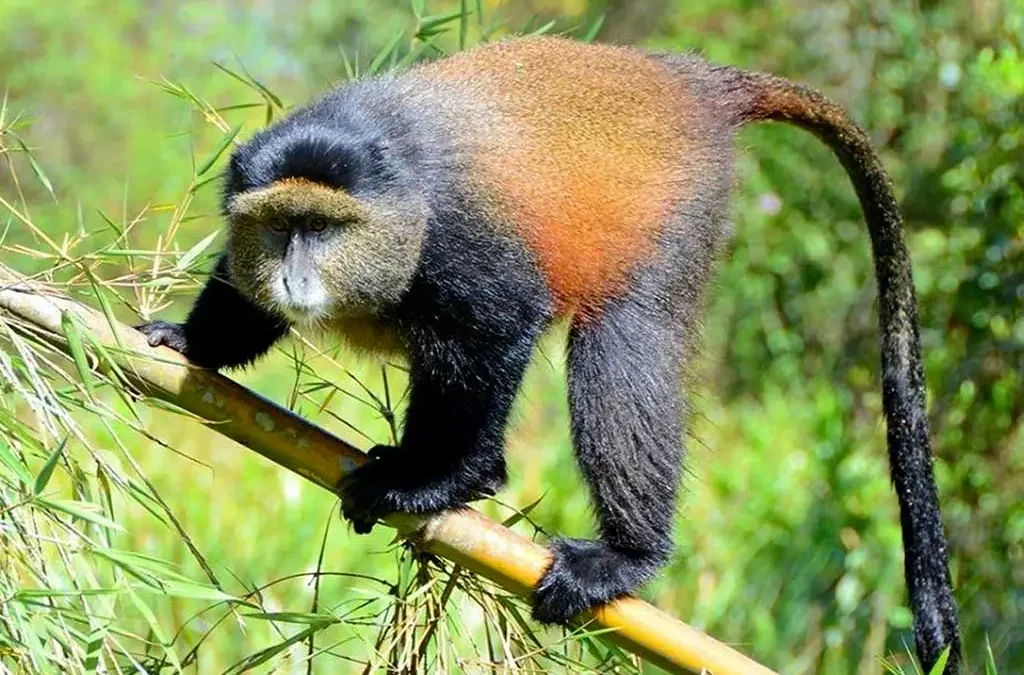
After the weight of yesterday, and it is a welcome, remarkable kind of weight, the ninth day brings something lighter. The golden monkey is the Virunga Mountains’ secondary primate encounter, and it occupies an entirely different emotional register from the gorillas. Where the silverback commands stillness, the golden monkey requires laughter. These small, vivid, copper-and-black primates Cercopithecus kandti, endemic to the Albertine Rift and found in significant density only in these volcanic forests move through the bamboo canopy with an energy that borders on performative. A group of forty, crashing between bamboo stems above your head, is one of the most purely joyful wildlife experiences available anywhere on this journey.

3-Day Rwanda Gorillas & Golden Monkeys Safari

The morning trek follows the same early format briefing, forest entry, and tracker-led approach, but the bamboo zones of the lower park feel immediately different from the Hagenia woodland of yesterday’s gorilla sector. The bamboo is denser, the light filters differently, and the atmosphere is lighter from the moment you enter. Your guide locates the golden monkey troop, and the group spends an unhurried hour in their company: watching, laughing, and photographing in the dim bamboo light with the slightly frantic energy that the monkeys reliably produce in even the most seasoned wildlife travelers.

Afternoon: Twin Crater Lakes of Burera and Ruhondo

The twin crater lakes north of Musanze are among the most quietly spectacular landscapes in Rwanda and among the least visited by gorilla safari guests, who tend to depart immediately after their trek. This itinerary treats them as a proper afternoon excursion, a decision that every guest who has made it endorses without qualification. A private boat on Lake Ruhondo, with the Virunga volcanoes reflected in surfaces that seem too perfect to be real, against a silence interrupted only by the call of a fish eagle and the soft percussion of the water against the hull, is the correct way to end the wildlife-intensive portion of this journey: in stillness, in beauty, with nothing particular required of you.

The farewell dinner at the lodge on the ninth evening of ten has a particular character that the best lodges in the Kinigi area understand without being told. The kitchen produces its most careful meal of the stay. The service is more attentive than usual. And the staff, who have seen many groups pass through and know how to read the particular quiet that follows a day like this, seem to understand that what is being celebrated at the table is not the food, exactly, but the whole of what the journey has been.

Day 10: Musanze Caves Walk | Farewell Brunch | Private Transfer to Kigali

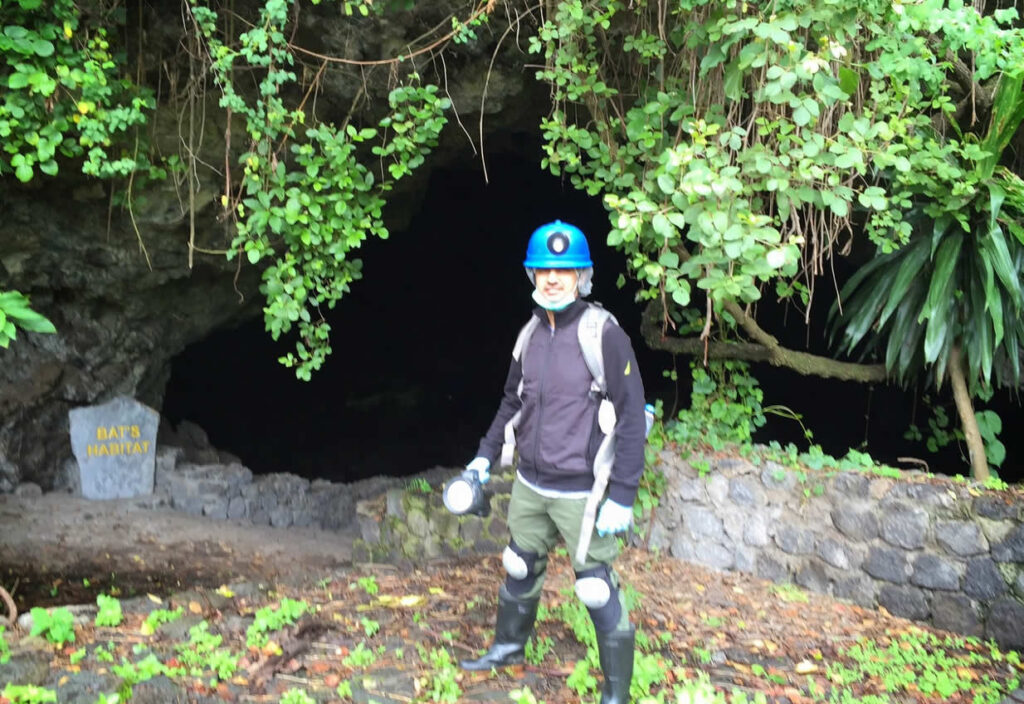
The last morning of an itinerary this dense deserves a final experience rather than a dead transfer, and the Musanze Caves, a network of ancient lava tubes running for nearly two kilometers beneath the volcanic rock of the Musanze district, provide one. Formed over half a million years ago by the same geological forces that built the Virunga Mountains above them, the caves are cool, mineral-strange, and bat-inhabited: a final reminder that this landscape has been producing extraordinary things since long before humans arrived to observe them. The walk takes about ninety minutes and is accessible to all fitness levels, a welcome contrast after the physical demands of the preceding days.

Musanze Caves

Musanze Caves

Back at the lodge, a generously proportioned farewell brunch, the kitchen’s last act of hospitality, served unhurried on the terrace with the Virungas visible one final time above the tree line, gives the group the time it needs to properly say goodbye. To the forest. To the guides. To the ten days. The bags are loaded into the private vehicle with a quiet efficiency that the best lodge staff perform as a form of respect for the guest who is leaving, and the drive back to Kigali begins through the same terraced hillsides that framed the journey’s first afternoon.

Optional: Kigali Genocide Memorial & City Exploration

Depending on flight times, the return to Kigali can include a meaningful final afternoon in the capital. The Rwanda Genocide Memorial in the Gisozi district is one of the most carefully and compassionately designed memorial sites in the world a place that demands the attention of anyone who has spent ten days in this country and wants to leave understanding it rather than simply having passed through it. The Inema Arts Centre, for guests who prefer a celebratory rather than contemplative final hour, offers the creative energy of Kigali’s contemporary art scene in a warm and completely unstuffy setting. Your private guide remains with you throughout, the vehicle ready when you are, and the airport drop-off timed to the minute.

Plan Your Rwanda Safari

Start Planning a Private Gorilla Trek

Rwanda gorilla permits sell out months in advance. Secure your dates before the season closes.

What Is Included

Every element of this safari has been confirmed, contracted, and paid for before your departure. The following are included as standard in the Best of Rwanda’s National Parks Safari.

  • 9 nights’ luxury lodge accommodation, full board throughout (all meals, non-alcoholic drinks)
  • All private airport transfers: Kigali arrivals and departures and all inter-park transfers
  • All ground transport in a private, air-conditioned 4×4 safari vehicle throughout
  • Official Rwanda gorilla trekking permit USD 1,500 per person, secured in advance
  • Official golden monkey trekking permit: USD 100 per person
  • All national park entrance and conservation fees for Akagera, Nyungwe, and Volcanoes
  • All activity fees: game drives, boat safari on Lake Ihema, canopy walkway, chimpanzee trekking, golden monkey trek, crater lake boat excursion, Musanze Caves walk
  • Professional English-speaking private guide throughout the entire 10-day itinerary
  • Experienced ranger teams and recommended porters on all primate trekking days
  • Mineral water and in-vehicle refreshments throughout all transfers and game drives
  • Pre-departure documentation, activity briefing pack, and suggested packing list
  • 24/7 in-country emergency support from Rwanda Gorilla Expeditions

What Is Not Included

The following are not part of the base package. Your dedicated trip designer will advise you on all costs and can arrange any of these in advance on your behalf.

  • International flights to and from Kigali
  • Rwanda tourist visa (available on arrival or via the online e-visa portal, straightforward and typically processed within 72 hours)
  • Comprehensive travel insurance, including emergency medical evacuation, is strongly recommended and considered essential for a journey of this duration and remoteness
  • Gratuities for guides, rangers, porters, and lodge staff are customary and warmly appreciated
  • Alcoholic beverages beyond the lodge’s standard inclusion policy
  • Personal items, laundry, and minibar charges at lodges
  • Optional Dian Fossey graves hike permit (arranged locally with advance notice, additional fee)
  • Any meals or experiences outside the full-board lodge arrangement

Best Time to Travel

Best time for gorilla trekking.

For Akagera National Park: Game Drives & Boat Safari.

Akagera is most rewarding in the dry season from June through September and December through February, when the vegetation thins and wildlife concentrates around the lake systems, making sightings more consistent and photography cleaner. The long dry season is the peak season for lion tracking in particular, as the reduced cover makes these naturally elusive animals far more visible. The wet seasons, April to May and October to November, bring the park alive with green and fill the wetlands with extraordinary concentrations of migratory waterbirds, but the thicker vegetation and muddier tracks make some of the interior roads inaccessible. Boat safaris on Lake Ihema operate year-round, with only the heaviest rainfall causing temporary suspension.

For Nyungwe Forest, consider Chimpanzee Trekking and the Canopy Walk.

Nyungwe presents a genuine argument for each season. The dry months offer firmer trails, less mud on the steep approaches, and clearer conditions for the canopy walkway. The elevated perspective is most dramatic when the valley below is not obscured by cloud. However, many experienced Nyungwe guides prefer the shorter wet season of October to November for chimpanzee encounters, arguing that the fruiting patterns of the wet forest concentrate the chimps in more predictable locations. June and July are considered the premium months for combining comfortable trekking with the best primate behavior. Nyungwe’s altitude (between 1,600 and 2,950 meters) means temperatures are always cool, regardless of the season, so pack for cold mornings even in the dry months.

For Volcanoes National Park: Gorilla Trekking & Golden Monkeys.

Gorilla trekking in Rwanda operates every day of the year with a sighting success rate consistently above 98%. Dedicated ranger teams track the gorilla families from first light every morning. The quality of the trekking experience, however, varies significantly with season. The long dry season from June through September offers firm trails, excellent forest visibility, and the most comfortable hiking conditions. This is also peak season, meaning gorilla permits sell out months in advance. For the Best of Rwanda’s National Parks Safari, we typically recommend planning a June–September departure four to six months in advance, or a December–February departure two to three months ahead. The wet seasons offer a wilder, greener, more solitary experience of the forest with the significant caveat that trail conditions can be genuinely challenging.

Plan Your Rwanda Safari

Start Planning a Private Gorilla Trek

Rwanda gorilla permits sell out months in advance. Secure your dates before the season closes.

Frequently Asked Questions about the Best of Rwanda’s National Parks Safari.

What makes the Best of Rwanda's National Parks Safari different from booking each park separately?

The difference is sequencing and continuity. Booking three separate Rwanda park experiences through different operators, or as disconnected segments, produces three good days in three different parks. This itinerary produces something architecturally different: a ten-day journey in which each ecosystem prepares you physically, emotionally, and intellectually for the next. The savannah’s open abundance sets a baseline of wildlife wonder. The rainforest deepens it into something more complex and ancestral. The volcanic highlands complete it with the single most profound wildlife encounter available anywhere in Africa. With one guide coordinating your entire journey, one operator managing every permit and transfer, and lodges selected specifically for how they work together as a sequence, the experience is categorically different from the sum of its parts.

How physically demanding is the full 10-day itinerary?

The itinerary includes activities at three distinct levels of physical demand, and your trip designer will discuss your group’s fitness profile at the planning stage. Game drives in Akagera require no physical exertion beyond sitting comfortably in a vehicle for several hours. The canopy walkway in Nyungwe involves a moderate uphill walk of roughly an hour. Chimpanzee trekking in Nyungwe is the most demanding activity prior to the gorilla trek steep, root-covered, sometimes very slippery terrain for one to three hours. Gorilla trekking in Volcanoes National Park ranges from forty minutes to four hours depending on the gorilla family location. Porters are available and strongly recommended on both primate trekking days. Most reasonably active adults complete all activities successfully with proper preparation.

Is Akagera National Park worth including, or is it less impressive than East Africa's major parks?

This is the question most guests ask before the trip, and none ask afterward. Akagera is not the Serengeti, the Masai Mara, or Kruger, and it is not trying to be. What it offers is something more specific and, in many ways, more moving: a park that was genuinely broken and has been genuinely fixed. The lion reintroduction program, the black rhino recovery, and the elephant population stability these are not marketing narratives; they are verifiable conservation achievements that took over a decade of hard work. Being in a park where you know the lions were absent twenty years ago and are now raising cubs, where the black rhino you photograph may be one of fewer than forty surviving in the entire country, gives the wildlife encounters a weight and significance that older, more established parks do not always carry in the same way.

Can I combine this safari with a beach extension or another East African destination?

Absolutely, and many guests do. The most natural beach extension from Rwanda is Zanzibar, a direct flight from Kigali and a complete sensory contrast from ten days of highland wildlife. The Seychelles, Mozambique’s Bazaruto Archipelago, and the Kenyan coast at Watamu or Lamu are also popular extensions for guests traveling from Europe or the Middle East. For guests wanting to extend deeper into East Africa’s wildlife circuit, Uganda’s Queen Elizabeth National Park or Uganda gorilla trekking in Bwindi pairs well with an Akagera-focused Rwanda journey. Your Rwanda Gorilla Expeditions trip designer can coordinate the full extension through our network of regional partners.

How far in advance should this safari be booked?

For travel in the peak dry season, June through September we recommend booking the full itinerary at least five to six months in advance. Gorilla trekking permits for these months are the limiting factor and frequently sell out before anything else; permits for July and August are sometimes unavailable as early as February. For December through February travel, three to four months is usually sufficient but should not be left much shorter. Outside of peak season, two months is workable for most elements of the itinerary, with the exception of gorilla permits, which always require advance planning. The practical guidance is: if you have dates, the best time to begin is now.

Is Nyungwe Forest safe, and are there health considerations for the chimpanzee trek?

Nyungwe Forest National Park is a fully managed, professionally staffed national park with armed ranger escorts on all primate trekking activities. Guest safety in the park is excellently managed, and incident rates are extremely low. The main health consideration for chimpanzee trekking is the same as for gorilla trekking: visitors showing symptoms of respiratory illness coughing, sneezing, fever may be asked not to trek, as great apes are susceptible to human respiratory pathogens. This protocol is strictly enforced for the animals’ protection. Travel health insurance including emergency medical evacuation, is strongly recommended for the full itinerary. Your trip designer will provide a comprehensive health and preparation briefing on booking.

Are there luxury lodges at all three parks, or does accommodation quality drop at Akagera?

All three parks have excellent luxury lodge options, and the accommodation on this itinerary has been specifically selected for quality and consistency across the full journey. Akagera’s lodge scene has improved dramatically since African Parks took over management; the park now hosts properties with excellent facilities, thoughtfully designed rooms, and dining that reflects the quality guests expect throughout the trip. Nyungwe’s top-end lodges sit at the forest edge, offering views that rank among the most dramatic in Rwanda. Volcanoes National Park has the widest range of luxury options on the continent for a gorilla destination, including some properties that rank among the finest lodges in all of Africa. There is no quality dip at any point in the sequence.

What is the best way to photograph mountain gorillas in low forest light?

Flash photography is strictly prohibited during all gorilla trekking activities, as it can distress the animals. The forest understory where gorillas are encountered is often dim, filtered by several canopy layers. For the best results, use a camera with strong low-light performance, and a fast, wide-aperture lens f/2.8 or wider is ideal. Mirrorless cameras with large sensors perform very well in these conditions. ISO can typically be pushed to 3,200–6,400 on modern cameras without unacceptable noise. Shutter speed is the primary challenge: aim for at least 1/200 second to freeze subject movement. Your lodge will advise you on the specific settings for the light conditions expected on your trekking day. Bringing a lightweight monopod can be helpful for steadying longer lenses without the bulk of a tripod.

Can children participate in the full 10-day itinerary?

Most elements of the itinerary are accessible to children and can be genuinely enriching family experiences. Game drives in Akagera have no age restrictions. The canopy walkway in Nyungwe is suitable for children who are comfortable at heights and can walk independently. Chimpanzee trekking has no official minimum age requirement, but the terrain is physically demanding, and children should be assessed individually for suitability. Gorilla trekking has a firm minimum age of 15 years, set by the Rwanda Development Board without exception. For families with younger children, the gorilla trekking day can be replaced with a guided forest walk, cultural village experience, or golden monkey trek, all of which are suitable for younger ages. Many families have used this itinerary as the occasion for a first proper safari with teenage children, with consistently excellent results.

What is the typical group size on this safari, and will we share activities with other travelers?

The Best of Rwanda’s National Parks Safari operates as a fully private experience. Your vehicle, your guide, and your planning are exclusively yours throughout all ten days. Game drives in Akagera are private to your group. Canopy walkways and forest walks in Nyungwe are led by your private guide with park rangers. Chimpanzee trekking groups have a maximum of eight participants per habituated community, but permits are secured individually and you are unlikely to be combined with other groups unless specifically requested. Gorilla trekking groups are capped at eight visitors per family by law you may share this experience with other permit holders, but your Rwanda Gorilla Expeditions guide manages the private planning and ground experience exclusively for your group. If complete gorilla privacy is a priority, explore our exclusive gorilla trekking Rwanda option.

Plan Your Rwanda Safari

Start Planning a Private Gorilla Trek

Rwanda gorilla permits sell out months in advance. Secure your dates before the season closes.

Other Rwanda Itineraries to Consider

The Best of Rwanda’s National Parks Safari is the most comprehensive expression of what this country offers. For travelers with shorter schedules or more focused interests, the following itineraries provide different entry points into the same extraordinary landscape.

For guests with three to four days focused exclusively on primate encounters in the north, the 3-Day Rwanda Gorillas & Golden Monkeys Safari and the 4-Day Exclusive Rwanda Gorilla & Golden Monkey Safari deliver the Volcanoes experience without the full cross-country circuit. The Luxury Rwandan Primate Safari combines Nyungwe and Volcanoes into an eight-day primate-focused journey for guests whose primary interest is Rwanda’s primate wildlife across both its major habitats.

Guests seeking the most exclusive possible gorilla encounter, with a private family, no other groups in the forest, and elite lodge pairing, should explore our exclusive gorilla trekking Rwanda options, which can be combined with any of the above itineraries. The behind-the-scenes gorilla experience places guests alongside primatologists for multiple consecutive days in the forest for approximately USD 15,000 per person, the deepest possible immersion in gorilla conservation science. For travelers still weighing Rwanda against Uganda, our honest and detailed Rwanda vs Uganda gorilla trekking comparison covers every meaningful variable.

Begin Planning Rwanda’s Complete Safari

The three national parks covered by this safari, Akagera, Nyungwe Forest, and Volcanoes represent a wildlife portfolio that has no equivalent anywhere on the African continent. No other country of Rwanda’s size contains savannah, ancient rainforest, and Afromontane volcanic forest within a single border, with a different category of keystone wildlife species in each. No other country has rebuilt its conservation infrastructure with the rigor and speed that Rwanda has demonstrated over the past two decades. And no other safari itinerary that we know of sequences these three parks in a way that builds an experience rather than simply counting destinations.

What the Rwanda Gorilla Expeditions brings to this journey is years of being in these forests and on these roads with guests of every kind families, solo travelers, couples celebrating things that deserve better than a restaurant, and friends who have waited thirty years to make this trip together. We know which lodges work, which guides are exceptional, which gorilla families have large silverbacks and which have playful juveniles, and what to do when the unexpected happens. We know how to pace ten days so that the tenth day feels as alive as the first. And we know that the gap between considering this journey and doing it is almost always smaller than it appears.

Gorilla permits sell out. Peak-season lodges book up. If Rwanda is in your plans this year or next, the best thing you can do today is start the conversation.

Plan This Safari With Us →

Our Rwanda safari specialists respond to every enquiry within one working day. There are no automated responses, no generic brochures emailed without context. The first conversation about a safari of this ambition should be a real one and we look forward to it.