Rwanda Safaris: The Complete Expert Guide (2026/2027)

Plan the ultimate Rwanda safari with expert guidance on gorilla trekking permits, Akagera Big Five, Nyungwe chimpanzees, luxury lodges, costs, and the best time to visit.

Rwanda Safaris: The Complete Guide to Africa’s Most Extraordinary Wildlife Experience

A Rwanda safari combines mountain gorilla trekking in Volcanoes National Park with Big Five game drives in Akagera, chimpanzee tracking in Nyungwe Forest, and immersive cultural encounters all within a country the size of Maryland that has become the benchmark for responsible, luxury wildlife travel in Africa. Rwanda’s gorilla trekking permit costs USD 1,500 per person, its infrastructure is among the finest on the continent, and its commitment to conservation means that every dollar spent directly funds the protection of some of the world’s rarest animals.

Why Rwanda Is Unlike Any Other Safari Destination in Africa

Most safari destinations ask you to choose: do you want primates or plains game? Rainforest or savannah? Rwanda removes that dilemma entirely. Within a single, compact country of roughly 26,338 square kilometers, you can stand meters from a mountain gorilla family in the mist of the Virunga Mountains in the morning and be watching lions cross a golden floodplain in Akagera by late afternoon. This geographic compression, combined with an exceptional standard of hospitality and a government genuinely committed to conservation revenue, has made Rwanda the most sought-after destination in East Africa for the discerning modern traveler.

The transformation Rwanda has undergone in the past two decades is, by any measure, remarkable. Kigali is consistently rated Africa’s cleanest and safest capital city. The national parks have been systematically rehabilitated. Luxury lodges that rival anything in Kenya or South Africa have been built within view of the volcanoes. And the revenue model in which high permit fees fund anti-poaching, community benefit programs, and habitat restoration has become a template that conservation organizations worldwide study and emulate.

For high-net-worth travelers who want more than a game drive, Rwanda delivers on every dimension: ecological rarity, physical drama, cultural depth, and an accommodation standard that never asks you to compromise comfort for wilderness. Browse through our full range of Rwanda safaris available, and you will quickly see why this destination now occupies the same bracket as the Okavango Delta and the Serengeti in the minds of the world’s most experienced wildlife travelers.

Mountain Gorilla Trekking: The Centrepiece of Every Rwanda Safari

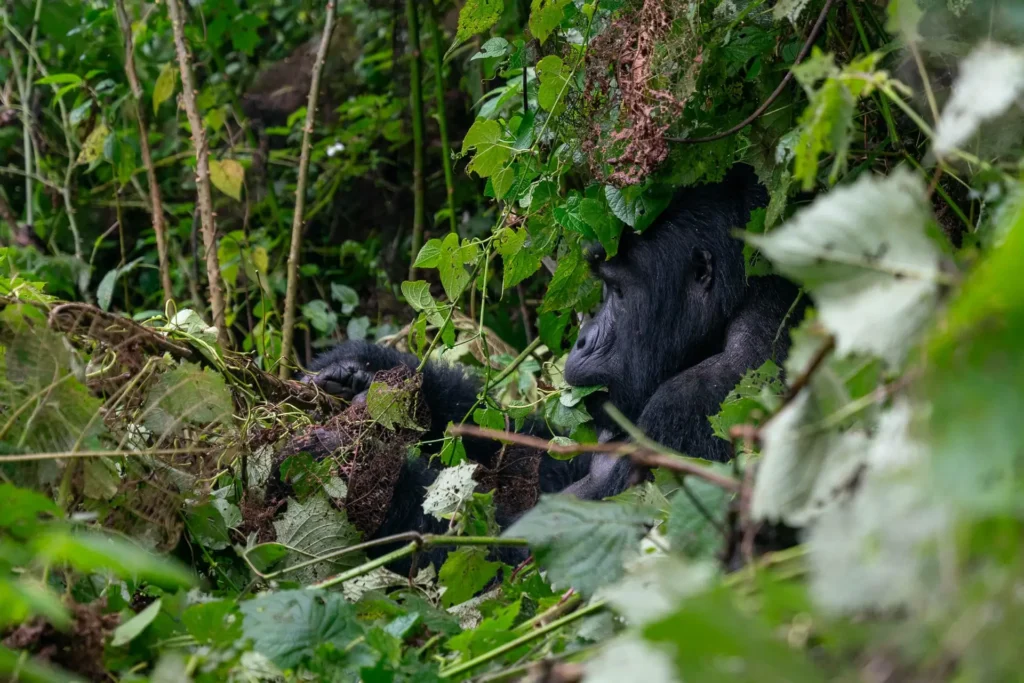
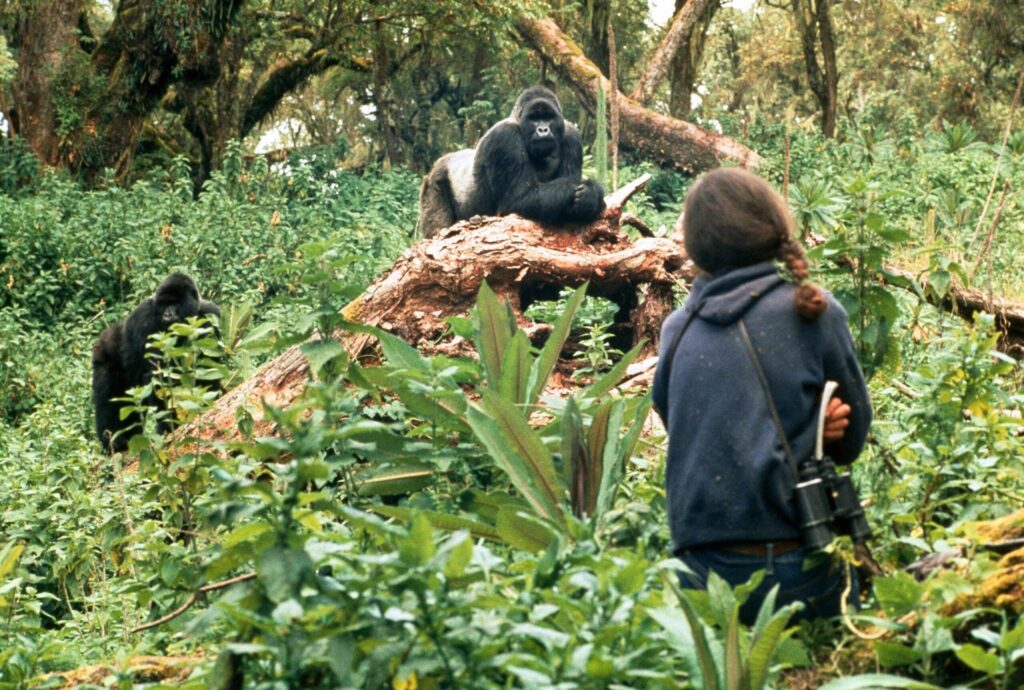
There is no wildlife encounter on earth quite like it. You have been hiking for anywhere between forty-five minutes and four hours through bamboo groves, volcanic rock, and dense montane forest when the ranger signals you to stop. The trackers, who have been following radio-located scouts since before dawn, direct your gaze into a thicket. And they’re close enough that you can hear their breathing, see the intelligence in their eyes, and notice the individual curl of a silverback’s fingers as a family of mountain gorillas goes about their morning as if you are barely an inconvenience. The hour you spend with them is unlike anything else in wildlife travel.

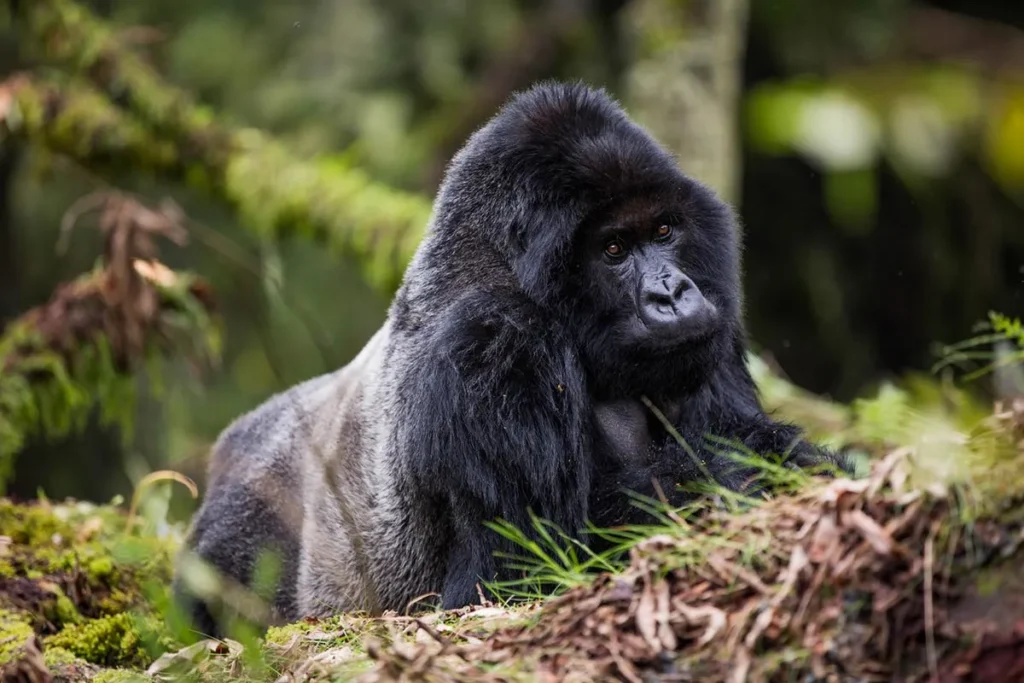
Mountain gorilla trekking sits at the heart of every Rwanda safari experience, and with good reason. There are fewer than 1,100 mountain gorillas alive on earth, and roughly half of them live in the forests of the Virunga Massif straddling Rwanda, Uganda, and the Democratic Republic of Congo. Rwanda’s share, protected within Volcanoes National Park, has the most developed, most comfortable, and most reliably executed gorilla trekking infrastructure.

Short Rwanda Gorilla Trekking Safaris

Short Rwanda gorilla trekking safaris offer efficient, impactful expeditions (1-4 days) to Volcanoes National Park, ideal for limited time, featuring mountain gorilla trekking, cultural visits, and Kigali city tours, with the park just a short drive from the airport.

How to Secure Your Rwanda Gorilla Trekking Permit

A gorilla trekking permit for Rwanda is issued by the Rwanda Development Board (RDB) and costs USD 1,500 per person as of 2025. Each habituated gorilla family may receive a maximum of eight visitors per day, which means only a limited number of permits are available daily across all twelve families roughly 96 total in ordinary conditions, though the actual figure fluctuates as families are periodically rested or removed from the program.

Permits sell out months in advance during peak season (June through September and December through January). Attempting to plan a Rwanda safari without securing permits well ahead of travel is the single most common mistake travelers make. A reputable specialist operator handles permit acquisition, confirmation, and scheduling as part of the planning process, removing the risk of arriving without access. The team at Rwanda Gorilla Expeditions manages this process directly and advises on availability in real time.

What Actually Happens on a Gorilla Trek

Trek day begins before seven in the morning at the park headquarters in Kinigi, where rangers conduct a briefing covering safety protocols, photography etiquette, and the specific family you have been assigned. Groups are matched to families based on reported fitness levels and the family’s current location within the park, meaning a guest who has flagged low mobility will not be sent after a family that is currently camped on the upper slopes of Bisoke.

Gorilla Trekking in Rwanda 2026: Permits, Cost, Safety & Volcanoes National Park

The hike itself varies enormously. Some families are located within an hour’s walk of the park boundary; others require three or four hours of terrain that involves steep gradients, dense vegetation, and occasional scrambling. Porters are available for hire at a modest fee and are strongly recommended not just for bag-carrying but for practical assistance on tricky ground. Once you reach the gorillas, the one-hour observation period begins. No flash photography is permitted. You must stay at least seven metres from the animals, though the gorillas themselves frequently violate this protocol by walking directly through the group. The hour passes faster than seems possible.

Exclusive Gorilla Trekking: The Ultimate Private Experience

For travellers who want the encounter entirely on their own terms, exclusive gorilla trekking in Rwanda is available through a premium permit that grants your group sole access to a gorilla family for the day. This option priced at approximately USD 15,000 for total privacy removes the standard eight-person group entirely, extends the observation window, and allows a degree of operational flexibility impossible in standard trekking. For honeymoons, significant anniversaries, or travelers for whom the standard program feels too crowded, it represents the definitive version of the experience.

Popular Rwanda Safari Destinations

Volcanoes National Park

Volcanoes National Park covers 160 square kilometers of the Rwandan sector of the Virunga chain, a series of eight dormant and active volcanoes that straddle three countries and form one of Africa’s most distinctive landscapes. The park’s altitude ranges from 2,400 to 4,507 metres at the summit of Mount Karisimbi, Rwanda’s highest peak, and the resulting ecological zones, from bamboo at lower elevations to giant lobelia and Afro-alpine moorland at higher elevations, create a habitat of extraordinary botanical richness. The park protects twelve habituated gorilla families, each tracked daily by a team of rangers and veterinary monitors. The habituation process, a long and difficult effort to get gorillas used to humans, is one of the most labor-intensive conservation programs in Africa, and it is why your encounter is so intimate instead of just a distant observation through binoculars.

Volcanoes National Park

Akagera National Park: Rwanda’s Big Five Safari

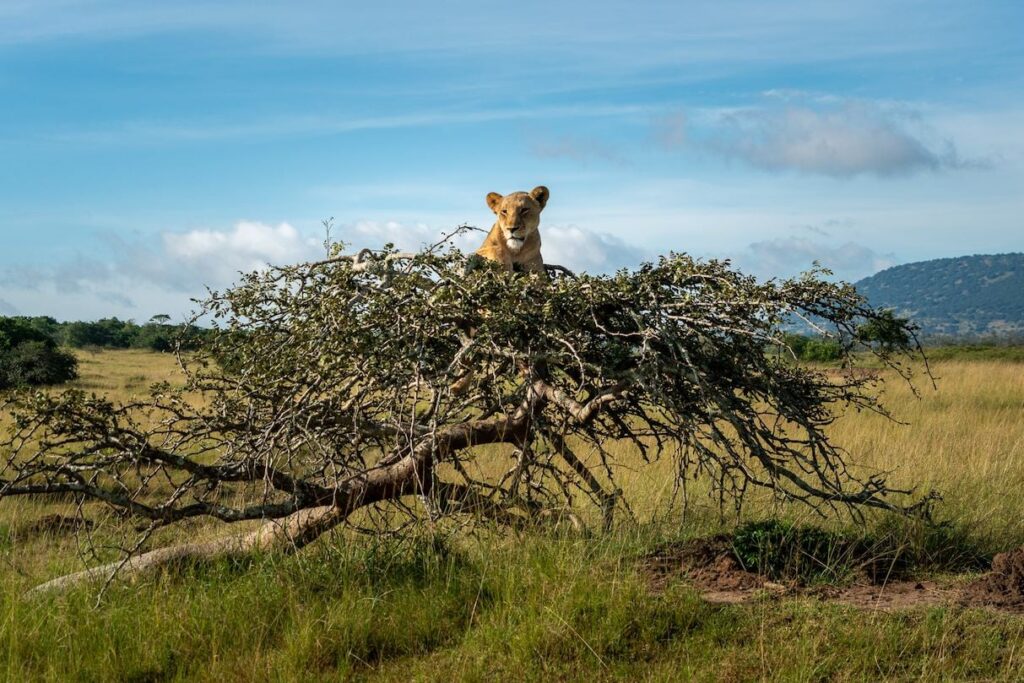
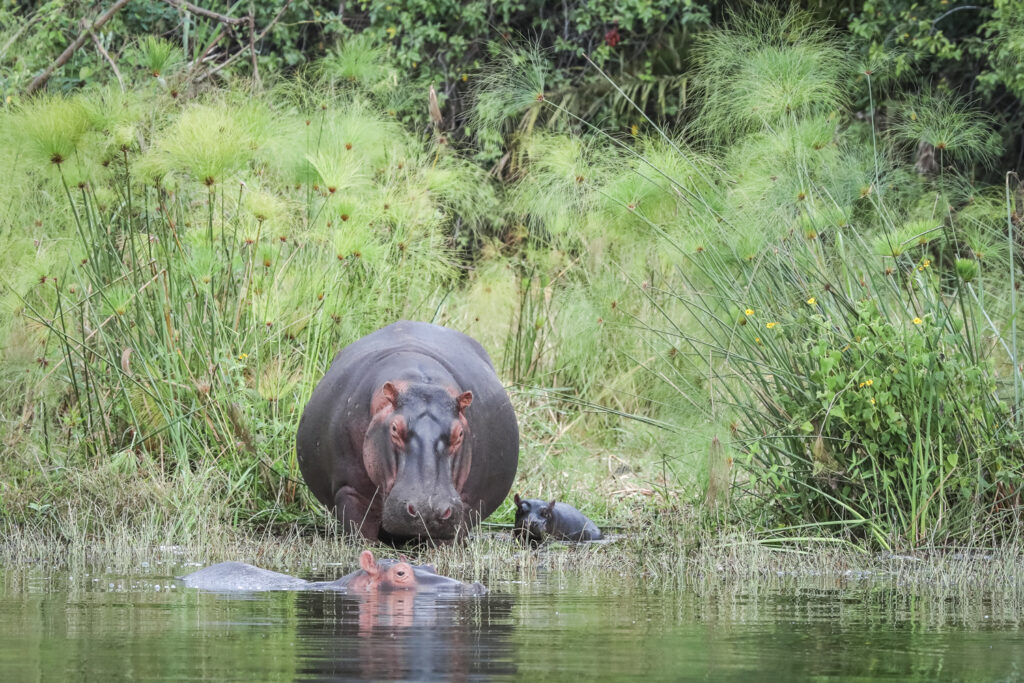
For travellers who want their Rwanda safari to include open savannah game drives alongside primates, Akagera National Park in the country’s east delivers a wildlife density and quality that few East African parks can match. Covering 1,200 square kilometers of mixed savannah, papyrus swamp, and woodland along the Akagera River and its associated chain of lakes, the park is home to elephants, buffalo, hippos, crocodiles, leopards, and a lion population that was successfully reintroduced in 2015 after a 20-year absence. The partnership between African Parks and the RDB added black rhinos in 2017 and 2019, completing the Big Five. Akagera is co-managed by African Parks, the same NGO behind Malawi’s Liwonde and Zambia’s Liuwa Plain, under a model that has transformed the park from a heavily poached, encroached reserve into one of Africa’s genuine conservation success stories.

Akagera National Park: Rwanda's Big Five Safari

Nyungwe Forest National Park: Chimpanzees and the Canopy Walk

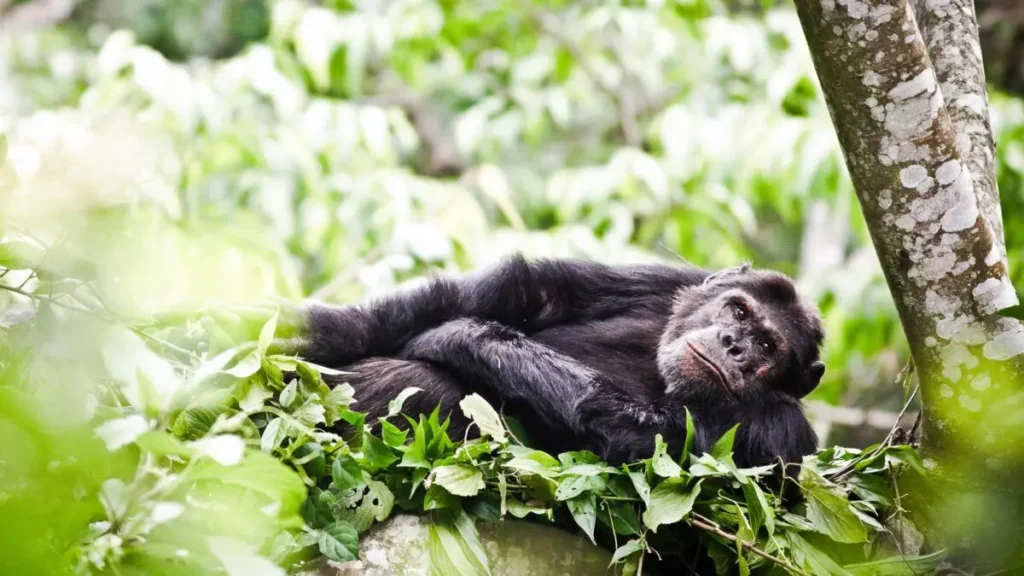
Nyungwe Forest National Park in southwestern Rwanda is one of Central Africa’s oldest and most biodiverse montane rainforests, covering 1,020 square kilometers of unbroken canopy that has remained largely undisturbed for over a million years. The park protects thirteen primate species, including chimpanzees and the Angolan colobus, a black-and-white monkey that forms troops of up to 400 individuals and generates one of the most dramatic wildlife displays in Africa when a large troop moves through the canopy overhead. Chimpanzee trekking in Nyungwe requires a permit issued by the RDB and priced at USD 90 per person, substantially lower than gorilla trekking, but is an encounter of genuine depth with our closest living relatives in a forest ecosystem of world-heritage quality.

Nyungwe Forest National Park: Chimpanzees and the Canopy Walk

The Best Time to Go on a Rwanda Safari

Rwanda has two dry seasons and two rainy seasons, though the country's equatorial position and varied topography mean that the concept of "dry season" is relative rather than absolute. The two primary dry seasons, June through September and December through January, are the most popular periods for Rwanda safaris and represent the easiest trekking conditions in Volcanoes National Park: drier trails, clearer sightlines in the forest, and generally more predictable access. June through September is peak safari season, aligning with the northern hemisphere's summer holiday period and offering the driest trekking conditions of the year. This is also the period when gorilla permits become most constrained and prices for premium lodges reach their annual highs. December through January represents a shorter, slightly softer peak with excellent conditions, lower lodge occupancy, and better permit availability than June through September. The longer rains (March through May) bring lush green landscapes, dramatically reduced lodge rates, fewer competing visitors, and trekking conditions that most operators describe as perfectly manageable with appropriate waterproof gear. Many experienced Rwanda safari travelers specifically choose this period for the atmosphere of mist-draped volcanoes, vivid vegetation, and an intimacy with the forest that the dry-season crowds can dilute. The shorter rains of October and November are typically lighter and rarely disrupt trekking schedules.

Gorilla Trekking & Golden Monkey Discovery Safari

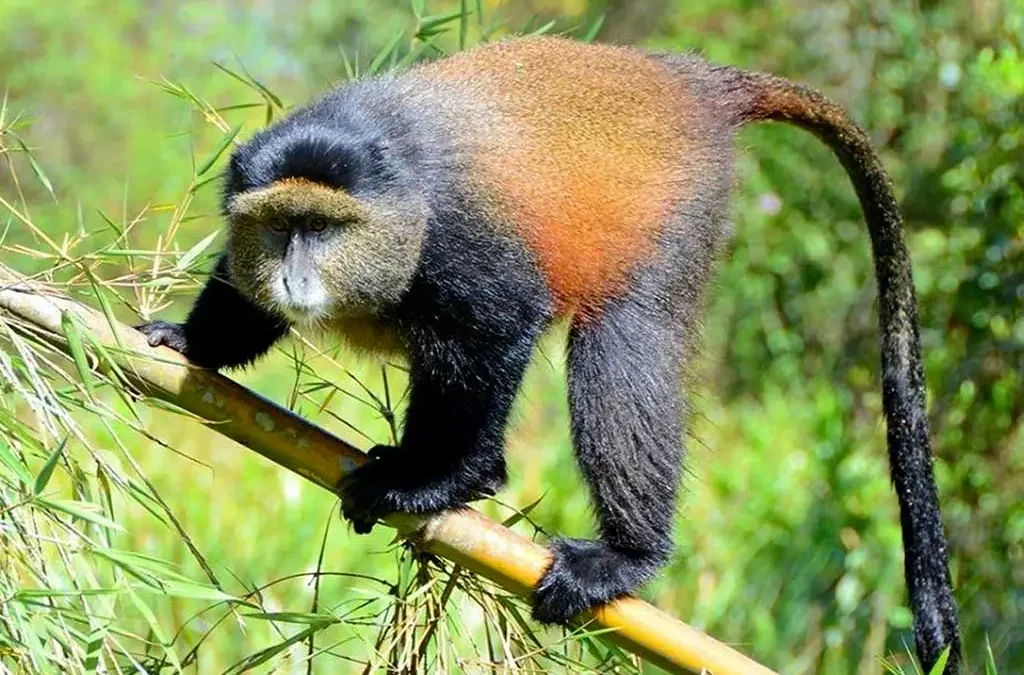
Embark on a transformative 5-day gorilla trekking & golden monkey discovery safari through Rwanda’s Volcanoes National Park, one of Africa’s most iconic wildlife experiences. Starting with a private welcome in Kigali, this journey combines up-close encounters with endangered mountain gorillas and playful golden monkeys in their lush montane rainforest habitat. Trek through bamboo forests with expert guides and trackers, learn about the legacy of Dian Fossey, and soak in dramatic views of twin crater lakes Burera and Ruhondo. Luxury lodges tucked into the foothills of the Virunga Volcanoes ensure comfort after each day’s adventure. Perfect for wildlife lovers seeking immersive primate encounters, cultural insights, and unforgettable landscapes.

Gorilla & Golden Monkey Trekking

Best of Rwanda’s National Parks Safari

Experience the ultimate Rwanda wildlife journey on this immersive 10-day Best of Rwanda’s National Parks safari, showcasing the country’s most spectacular ecosystems and iconic wildlife. Begin with the modern vibrancy of Kigali, then head to Akagera National Park for classic savannah game drives and the chance to see the Big Five in rolling grasslands and shimmering lakes. Next, discover the ancient rainforest canopy of Nyungwe National Park, home to chimpanzees and a dozen other primate species, plus thrilling canopy walks through lush forest. Finish in Volcanoes National Park, trekking through misty montane jungle for up-close encounters with endangered mountain gorillas in their natural habitat. Along the way, enjoy expert guides, luxury eco-lodges, diverse birdlife, and cultural insights into Rwanda’s remarkable conservation success story.

Best of Rwanda’s National Parks

Luxury Rwandan Primate Safari

Discover Rwanda’s top primates in luxurious chimpanzee trekking in Nyungwe and rare golden monkeys & endangered mountain gorillas. Embark on the Luxury Rwandan Primate Adventure, an 8-day bespoke safari through Rwanda’s richest wildlife landscapes. Begin with a cultured welcome in Kigali’s vibrant capital before venturing into Nyungwe National Park for chimpanzee tracking, scenic forest canopy walks, and encounters with diverse primates amidst ancient rainforest. Continue to Volcanoes National Park, home to endangered mountain gorillas and playful golden monkeys, trekking through bamboo forests with expert guides and trackers for unforgettable close-up wildlife experiences. Along the way, enjoy private luxury lodges, expert service, cultural insights, and tailor-made activities that elevate the classic primate safari into a once-in-a-lifetime journey.

Luxury Rwandan Primate Safari

Rwanda Safari Costs: What to Budget and Expect.

Rwanda is not an inexpensive destination, nor does it attempt to be. The country has deliberately positioned itself at the premium end of the African safari market with high permit costs, required park entry fees, and a lodge ecosystem anchored by properties that charge USD 500 to USD 2,000 per person per night. This is not accidental. Rwanda’s conservation strategy is built on the economic principle that high value equals low volume and that genuine wildlife protection requires genuine financial investment from those who wish to experience it.

A gorilla trekking permit is USD 1,500 per person. A chimpanzee permit in Nyungwe is USD 90. Golden monkey permits cost USD 100. Akagera park entry for international visitors is USD 50 per person per day. Against these fixed costs, the variables are accommodation, ground transport, and guide fees. A well-designed seven-day Rwanda safari combining gorilla trekking, Akagera, and Nyungwe, staying in the country’s premier lodges, will typically cost between USD 8,000 and USD 15,000 per person, depending on the season and specific properties selected.

For travelers comparing Rwanda with Uganda, where gorilla permits cost USD 800 rather than USD 1,500, the Rwanda vs. Uganda gorilla trekking comparison covers the full picture: Rwanda’s higher permit cost is offset by superior infrastructure, shorter trekking times on average, and a logistical efficiency that makes the overall experience considerably more seamless.

Rwanda Safari Styles: How to Design the Perfect Itinerary

The ideal Rwanda safari looks different depending on what you are optimizing for. A couple celebrating a milestone anniversary might prioritize exclusivity, private guiding, and lodge quality above all else. A family with teenage children might want a mix of gorilla trekking, Akagera game drives, and Kigali’s cultural richness. A solo traveller focused on conservation photography might want to spend maximum time in multiple park ecosystems, with extended stays at each. Rwanda accommodates all of these traveler profiles with equal sophistication.

Exclusive Gorilla Trekking in Rwanda

Short itineraries of one to three days are available for travelers with limited time typically built around a single gorilla trekking day from Kigali, perhaps with a cultural visit or golden monkey add-on. Medium itineraries of five to seven days allow meaningful time in two park areas, typically Volcanoes and Akagera or Volcanoes and Nyungwe, with two nights in Kigali. Extended itineraries of eight to fourteen days allow the full Rwanda circuit, sometimes combined with a crossing to Uganda for a comparative gorilla or chimpanzee experience.

Every itinerary Rwanda Gorilla Expeditions designs is private by default: no shared vehicles, no group departures, and no compromise on timing or pacing. Browse the full range of safari experiences to understand the breadth of what is possible, then contact the team to build a program specific to your dates, interests, and travel style.

Rwanda Safari Conservation: Why Your Visit Matters

Rwanda’s gorilla population has grown from approximately 620 individuals in 2010 to over 1,100 today, a 77 percent increase driven almost entirely by the conservation revenues generated by gorilla trekking permits and park entry fees. The Mgahinga Gorilla Trust, the International Gorilla Conservation Program, and the Rwanda Development Board’s revenue-sharing model, which gives 10 percent of all park fees back to nearby communities, have together changed the relationship between local people and the national parks from one of competition to one of mutual benefit.

When you book a Rwanda safari, you are not simply purchasing a wildlife experience. You are helping with anti-poaching patrols, veterinary monitoring of gorilla families, community income that reduces pressure on forest resources, and the long-term health of an ecosystem that no amount of captive breeding can replicate. The gorilla families you encounter in Volcanoes National Park are alive, habituated, and accessible today because of the conservation model that your permit fee finances. This statement is not marketing language; it is demonstrably true, and it makes Rwanda’s premium pricing one of the most ethically defensible propositions in all of travel.

Getting to Rwanda: Flights, Entry, and Logistics

Kigali International Airport (KGL) is served by RwandAir, the national carrier, which has undergone significant network expansion and operates modern Airbus and Boeing wide-body aircraft as well as Ethiopian Airlines, Kenya Airways, Brussels Airlines, Qatar Airways, and Turkish Airlines, among others. From Europe, the most common routing is via Addis Ababa (Ethiopian Airlines) or Brussels (Brussels Airlines direct). From North America, the most practical routings connect via London, Brussels, Addis Ababa, or Nairobi. Flight times from London run approximately nine to ten hours direct; from New York, allow eighteen to twenty-two hours with a single connection.

Rwanda operates a highly streamlined visa-on-arrival system for most nationalities, with a thirty-day tourist visa available at the airport for USD 50. East African Community passport holders Ugandans, Kenyans, Tanzanians, and Burundians enter visa-free. The Rwandan government has also invested significantly in the airport arrival experience: immigration queues are short, luggage handling is efficient, and the transfer to your lodge vehicle is typically completed within forty-five minutes of landing.

Rwanda has comfortable and well-managed ground logistics. The road from Kigali to Musanze (the town closest to Volcanoes National Park) takes approximately two and a half hours on a well-maintained highway through the Thousand Hills landscape. All transfers are conducted in private vehicles, typically four-wheel-drive Land Cruisers or Safari-Land Cruisers, with experienced local driver-guides who serve as knowledgeable companions rather than simply chauffeurs. For time-critical connections, helicopter transfers between Kigali and the park areas are available through a small number of specialist operators.

Rwanda Luxury Safari Lodges and Camps

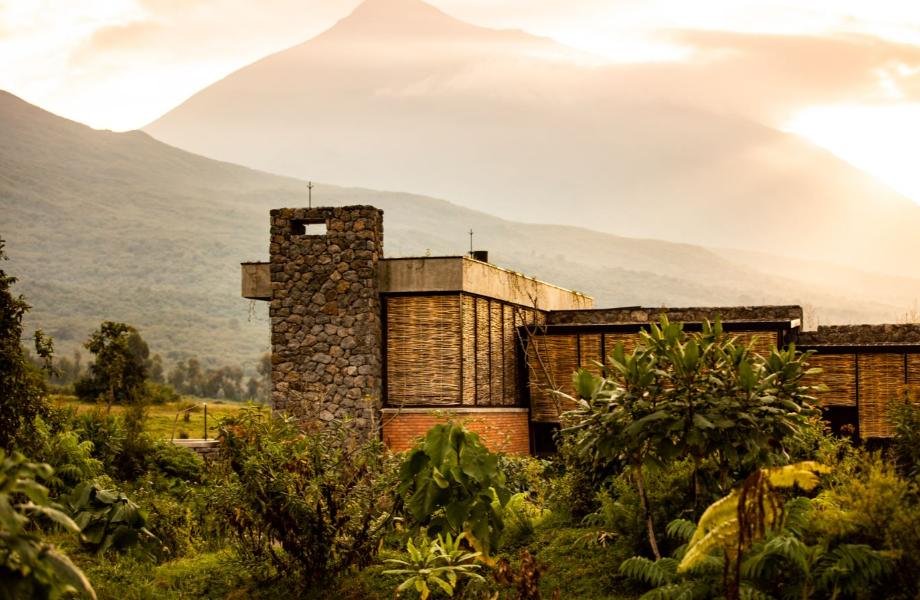
The accommodation landscape around Rwanda’s national parks has evolved dramatically since 2010, when the first true luxury lodge Singita Kwitonda opened on the slopes above Volcanoes National Park. Today, the range of premium properties available to Rwanda safari travelers is genuinely impressive, from intimate five-suite lodges perched above the bamboo forest to architect-designed tented camps on the Akagera floodplain.

In the Volcanoes National Park area, the benchmark properties include Singita Kwitonda, One&Only Gorilla’s Nest, Bisate Lodge, and Sabyinyo Silverback Lodge, each offering a distinct design philosophy and experiential emphasis but sharing exceptional service standards, outstanding food, and access to expert naturalist guides. Most sit within 20 to 40 minutes of the park headquarters, with private transfer vehicles, pre-dawn wake-up calls, and packed trek lunches as standard.

In Akagera, Ruzizi Tented Lodge and Magashi Camp (the latter a Wilderness Safaris property on Lake Rwanyakizinga, accessible only by boat) set the standard for immersive savannah accommodation. In Nyungwe, One&Only Nyungwe House, on the edge of the tea estates above the forest, represents the most refined base for chimpanzee trekking and canopy walk experiences. For travelers who want a curated selection matched to their specific travel style, the Rwanda safari styles page at Rwanda Gorilla Expeditions provides detailed guidance.

Volcanoes National Park, Rwanda

Wilderness Bisate Lodge

Nyungwe Forest National Park

One & Only Nyungwe House.

Volcanoes National Park, Rwanda

Wilderness Sabyinyo Silverback Lodge

Volcanoes National Park, Rwanda

Singita Kwitonda Lodge

Volcanoes National Park, Rwanda

One&Only Gorilla’s Nest

Akagera National Park.

Wilderness Magashi Camp

A Rwanda safari cost varies considerably depending on duration, park combination, and accommodation standard. As a baseline, budget USD 1,500 per person for a gorilla trekking permit alone. A comprehensive five-to-seven-day safari combining gorilla trekking, Akagera, and luxury lodge accommodation typically costs between USD 8,000 and USD 15,000 per person. Short one- to two-day gorilla trekking itineraries from Kigali are available for approximately USD 2,500 per person, including the permit.

Rwanda permits for gorilla trekking are issued by the Rwanda Development Board (RDB) and cost USD 1,500 per person. They are available through licensed tour operators or directly from the RDB. During peak season (June–September and December–January), permits sell out three to six months in advance. It is strongly recommended to secure permits through a specialist operator who can confirm availability in real time and coordinate the permit with your accommodation and travel schedule.

Rwanda is one of the safest countries in Africa for international travelers. Global liveability indices consistently rate Kigali as Africa’s cleanest and safest capital city. The national parks have excellent security and professional management. The country has a zero-tolerance policy on crime, a highly effective police presence in tourist areas, and a culture of genuine hospitality toward visitors. Petty crime exists, as in any destination, but violent crime targeting tourists is extremely rare.

The best time for a Rwanda safari is during the two dry seasons: June through September and December through January. These periods offer the most comfortable trekking conditions in Volcanoes National Park and the clearest visibility for game drives in Akagera. The long rains (March–May) bring lush landscapes, significantly reduced lodge rates, and fewer visitors conditions that many experienced travelers actively prefer. Rwanda’s equatorial climate means gorilla trekking is feasible year-round.

Gorilla trekking involves hiking through steep, sometimes dense forest at altitude (1,500–3,000 metres), and can last anywhere from one to five hours depending on the gorilla family’s location. A reasonable level of fitness is recommended. Travellers with mobility limitations should inform their operator in advance, as some families are habitually located closer to the park boundary and involve shorter, less demanding treks. Porters are available at modest cost and are recommended for anyone not in regular physical training.

Yes, and many experienced Africa travellers do. The most common combination is gorilla trekking in Rwanda’s Volcanoes National Park followed by gorilla or chimpanzee trekking in Uganda’s Bwindi Impenetrable Forest or Kibale National Park. The Uganda-Rwanda border crossing at Cyanika near Kisoro is efficient and straightforward. The contrast between Rwanda’s well-developed infrastructure and Uganda’s rawer, more remote experience is one that many travellers find adds compelling dimension to both destinations.

A minimum of three days is required to include a single gorilla trekking experience from Kigali, with time to travel, acclimatize, and recover. Five to seven days allows a meaningful combination of gorilla trekking and one other park (Akagera or Nyungwe). A full Rwanda circuit covering all three national parks plus Kigali requires a minimum of eight to ten days. Extended itineraries of twelve to fourteen days allow deeper immersion in each ecosystem and are the preferred option for first-time Rwanda visitors.

Essential items for gorilla trekking include long-sleeved shirts and trousers (to protect against nettles and insects), sturdy waterproof hiking boots, a light waterproof jacket, insect repellent, sunscreen, and a hat. Gaiters are useful for the early morning when vegetation is damp. For camera equipment, bring extra batteries and memory cards, as the one-hour encounter passes quickly. For Akagera, standard safari clothing applies neutral khaki colors, layers for early morning game drives, and sunscreen for open-vehicle drives.

Rwanda offers a broader range of wildlife than most travelers expect. Mountain gorillas and golden monkeys are encountered in Volcanoes National Park. Chimpanzees and over 300 bird species live in Nyungwe Forest. Akagera National Park supports the Big Five: lion, elephant, leopard, buffalo, and black rhino, plus hippo, crocodile, giraffe, zebra, eland, and exceptional water-bird populations, including the shoebill stork. The combination of primates and plains game within a single country is unique to Rwanda in East Africa.

When conducted under the strict guidelines applied in Rwanda, gorilla trekking is widely regarded as one of the most ethically defensible forms of wildlife tourism in existence. The revenue generated by permits directly funds anti-poaching, veterinary monitoring, and community benefit programmes that have driven a 77 per cent increase in the mountain gorilla population since 2010. The one-hour encounter limit, the maximum group size of eight, and the mandatory seven-metre distancing rule are all designed to minimise stress for the animals.

The terms are often used interchangeably, but there is a practical distinction. A gorilla trekking experience refers specifically to the hiking encounter in Volcanoes National Park. A Rwanda gorilla safari refers to the full travel programme which may include the gorilla trek, accommodation, cultural experiences, other park visits, and Kigali time organised as a complete itinerary by a tour operator. Most travellers book a safari that includes trekking as its centrepiece, combined with additional activities and park experiences.

Yellow fever vaccination is mandatory for entry into Rwanda for travelers arriving from yellow fever-endemic countries. Proof of vaccination is checked at the airport. Typhoid, hepatitis A and B, meningitis, and rabies vaccinations are commonly recommended. Malaria prophylaxis is advised for Akagera National Park, which sits at a lower altitude. Volcanoes National Park, Nyungwe, and Kigali are at higher elevations where malaria risk is lower, though precautions remain sensible. Consult a travel medicine clinic for personalized advice based on your specific itinerary.

The drive from Kigali International Airport to Musanze (the gateway town for Volcanoes National Park) is approximately 110 kilometers and takes two to two and a half hours on a well-maintained highway. Most lodges in the park area are a further 20 to 40 minutes from Musanze. The journey is a beautiful introduction to Rwanda’s Thousand Hills landscape, and many operators incorporate a scenic stop or cultural visit en route. Helicopter transfers are available for those with tight schedules.

Plan Your Rwanda Safari with Rwanda Gorilla Expeditions

A Rwanda safari is not something you arrange through a general booking platform and hope for the best. The logistics of the permit alone, which include securing the right gorilla family on the right day, coordinating with accommodation availability across three separate park areas, and considering the seasonal realities of each area, require the kind of on-the-ground knowledge that only comes from working in this ecosystem daily. Rwanda Gorilla Expeditions is a specialist local operator with direct relationships with the Rwanda Development Board, the park authorities, and the lodges that define the premium Rwanda safari experience. We do not sell holidays; we design and operate meticulously planned expeditions for travelers who take their wildlife travel seriously.

Whether you are planning a single gorilla trekking day from Kigali, a ten-day circuit of all three national parks, an exclusive private gorilla encounter, or a multi-country itinerary that brings Uganda into the picture, our team handles every element: permits, accommodation, transfers, guides, and the thousand logistical details that determine whether a safari is merely good or genuinely exceptional. Contact us to begin planning. Your Rwanda safari will be unlike anything you have experienced, and that is a promise we make with complete confidence.