The Best Time to Visit Amboseli National Park
The best time to visit Amboseli National Park is the long dry season from June to October, with January and February a strong second choice, because animals concentrate around the swamps and Kilimanjaro is most often visible. Whatever the season, the mountain keeps a daily rhythm: it is usually clear at dawn and again at dusk and often veiled in cloud through the middle of the day, so the first game drive should leave in the dark.

June to October: The Classic Window
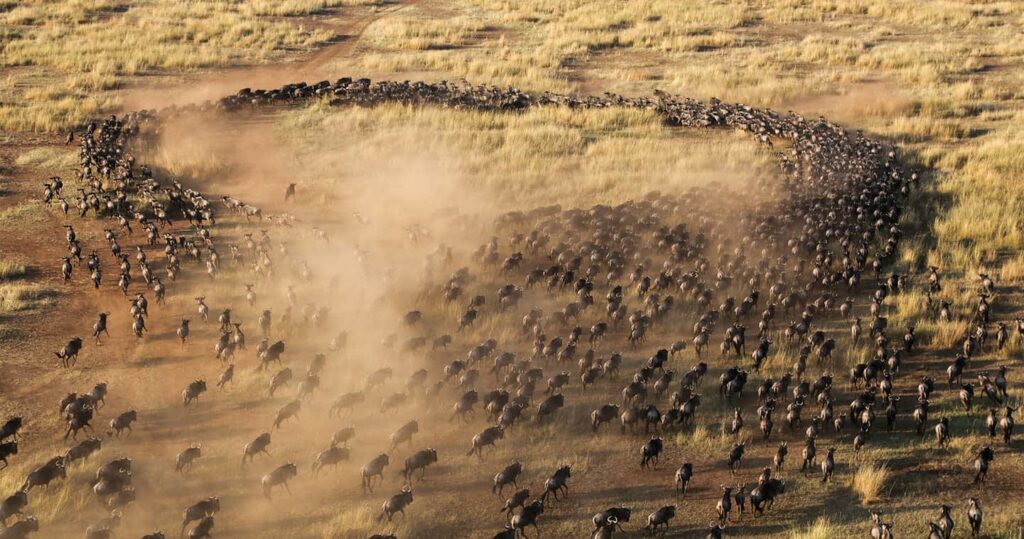
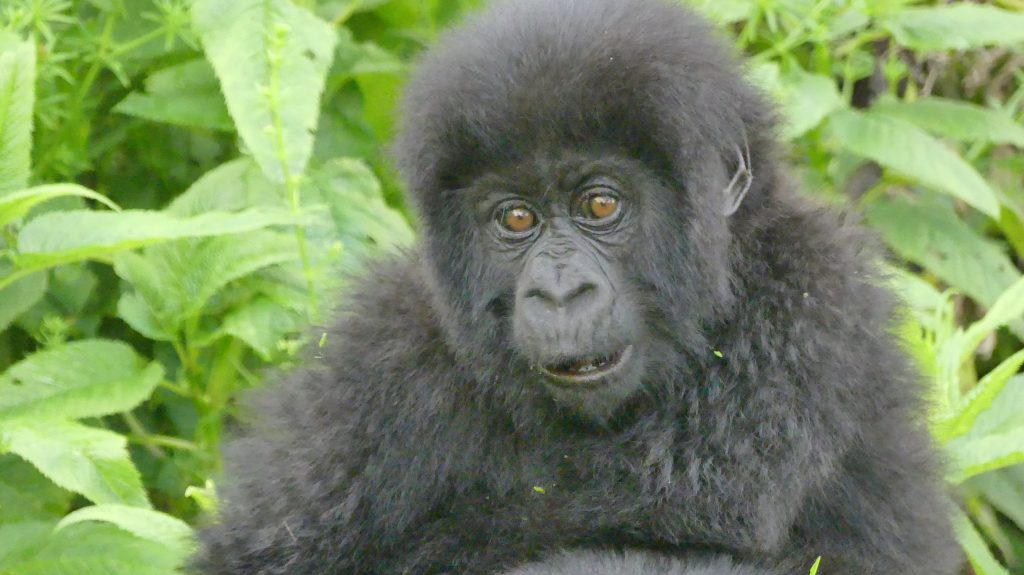
Days are warm, reaching the high twenties or low thirties of degrees Celsius, mornings are cool at around 15 to 18 degrees, and the dust is the price of the concentration of wildlife. This window coincides with the wildebeest migration in the Masai Mara, which runs from July to October, and with Rwanda’s long dry season from June to September, which is precisely why it is the natural time to pair Amboseli with a gorilla trek. It is also the most expensive and most heavily booked period, so camps and permits need to be secured early.
January and February: The Quiet Alternative
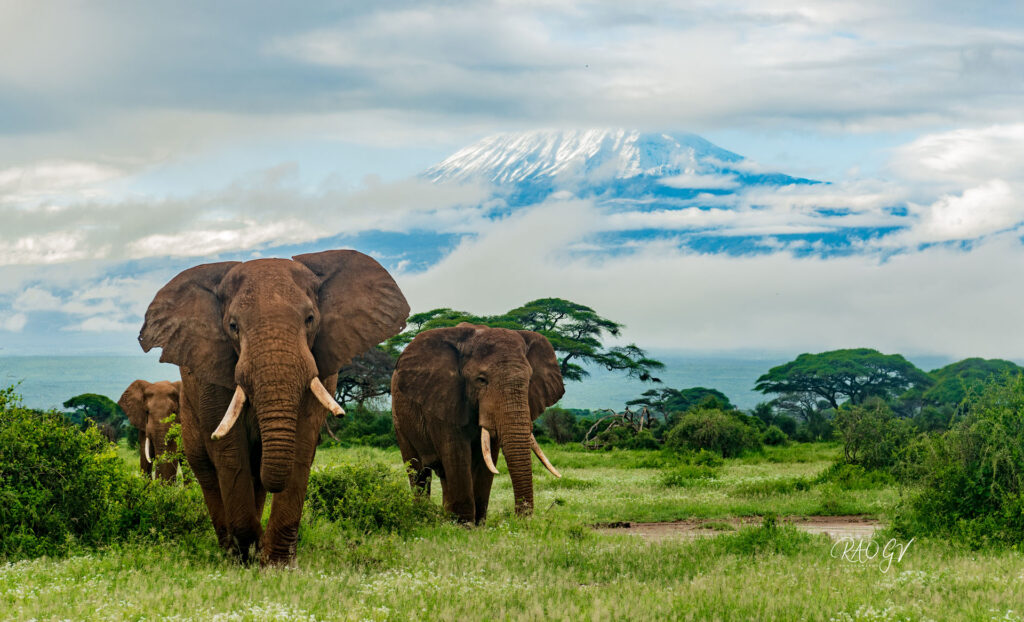
The short dry season delivers hot, clear days, an unclouded mountain more often than not, and noticeably fewer vehicles than the July to October peak, with lodge rates that sit below the high-season ceiling. Elephants remain close to the swamps, and the light in these months is superb for photography. It is our favorite window for travelers who value space and stillness over the drama of the migration.
March to May and November to December: The Rains
The long rains from March to May turn the plains green and bring the lowest rates of the year, but animals disperse into the wider ecosystem, roads can be slow, and Kilimanjaro is frequently hidden for days at a time; some camps close for maintenance in this period. The short rains in November and December are lighter and more predictable, with brief showers, migrant birds, and dramatic skies, and they suit travellers who prize birding and value guaranteed mountain views over the more predictable views. Christmas and New Year, however, are a peak period in their own right.
| Months |
Conditions |
Our verdict |
| June to October |
Dry, dusty, warm days; animals concentrated at swamps |
Best overall; book early. |
| January to February |
Hot and clear; fewer vehicles |
Excellent; best for space and light |
| March to May |
Long rains; green; mountains often hidden |
Best value; least reliable views |
| November to December |
Short rains; migrant birds; brief showers |
Good value; Christmas is peak. |
How to Get to Amboseli National Park From Nairobi, Kigali, and Arusha.
Amboseli lies about 240 kilometers southeast of Nairobi, and the two practical routes are a flight of 45 to 60 minutes from Wilson Airport or a drive of four to five hours. Both options are straightforward, but the connections around them can make or break luxury itineraries.
By Air: Wilson Airport to the Amboseli Airstrip
Scheduled light-aircraft services, including Safarilink, and private charters connect Nairobi’s Wilson Airport with the airstrip inside the park, and your camp arranges the vehicle transfer from the strip. International flights land at Jomo Kenyatta International Airport, and the transfer to Wilson takes 40 minutes to more than an hour depending on traffic, so we plan a minimum three-hour connection or an overnight in Nairobi rather than risk a missed departure. Light-aircraft baggage is normally limited to around 15 kilograms in soft-sided bags, so pack accordingly and leave the hard suitcase at your Nairobi hotel.
By Road: Four to Five Hours Through Maasai Country
The drive from Nairobi covers about 240 kilometers and takes four to five hours, either south through Emali and Loitokitok or via Namanga on the Tanzanian border road. The park’s commonly used gates are Meshanani on the Namanga side, Iremito on the Loitokitok side, and Kimana on the eastern approach. Driving suits travellers who are linking Amboseli with a crossing into Tanzania at Namanga, and a private four-wheel-drive vehicle with a pop-up roof and a driver-guide is the standard for our itineraries.
From Kigali, Arusha, and the Coast
From Kigali, a direct flight to Nairobi takes roughly two hours, which is why Rwanda and Kenya combine so easily; our Rwanda safari planning guide explains the Rwandan side of the connection. From Arusha in Tanzania, the road to Namanga and on to the park typically takes about four hours, including border formalities. From the coast, light aircraft link Diani and Mombasa with Amboseli, and Tsavo West is roughly three hours away by road, which makes a southern Kenya circuit that finishes on the beach entirely practical.
Amboseli National Park Entry Fees and the Real Cost of a Luxury Safari.
Amboseli National Park charges non-resident adults USD 90 per 24 hours, and children roughly half, under the Kenya Wildlife Service tariff introduced on 1 October 2025, while a full luxury visit typically costs several thousand US dollars per person. The gate fee is the smallest line in your budget, but it behaves in ways that surprise first-time visitors.
Park Fees and How the 24-Hour Clock Works
Amboseli sits in KWS’s premium category alongside Lake Nakuru, which is why its fee is higher than the USD 80 charged at Tsavo and Nairobi National Park. The ticket is valid for up to 24 hours from entry, and payment is cashless through the eCitizen platform, so your operator should settle it in advance. Budget one fee for each day you enter the park, not for each night you sleep in the region: if your camp is in a conservancy and you enter at dawn, you pay each morning. Private conservancies levy their conservation fees on top, and these are normally built into the camp’s nightly rate.
What a Luxury Amboseli Stay Really Costs
Private camps in the Amboseli ecosystem typically charge between USD 600 and USD 1,500 per person per night in high season, on a fully inclusive basis, with meaningful reductions during the March to May rains. A three-night fly-in stay for two, with private guiding, therefore lands in the range of USD 3,500 to USD 7,000 per person once flights are added. The table below shows the main line items so you can see where the money goes.
| Cost item |
Typical range |
Notes |
| KWS park fee, non-resident adult |
USD 90 per 24 hours |
Children are roughly half cashless via eCitizen. |
| Luxury camp, per person per night |
USD 600 to 1,500 |
High season, full board, and activities |
| Wilson Airport to Amboseli, return |
USD 300 to 450 |
Scheduled light aircraft, per person |
| Private 4×4 with driver-guide |
USD 350 to 600 per day |
Often included in camp rate |
| Kenya eTA |
About USD 30 per person |
Valid for three months; apply online. |
Where to Stay: Luxury Camps and Lodges in and Around Amboseli
The finest places to stay near Amboseli are small tented camps in Maasai-owned conservancies just outside the park, complemented by two established lodges inside it, and the right choice depends on whether you value the shortest drive to the swamps or the freedom of night drives and walking.
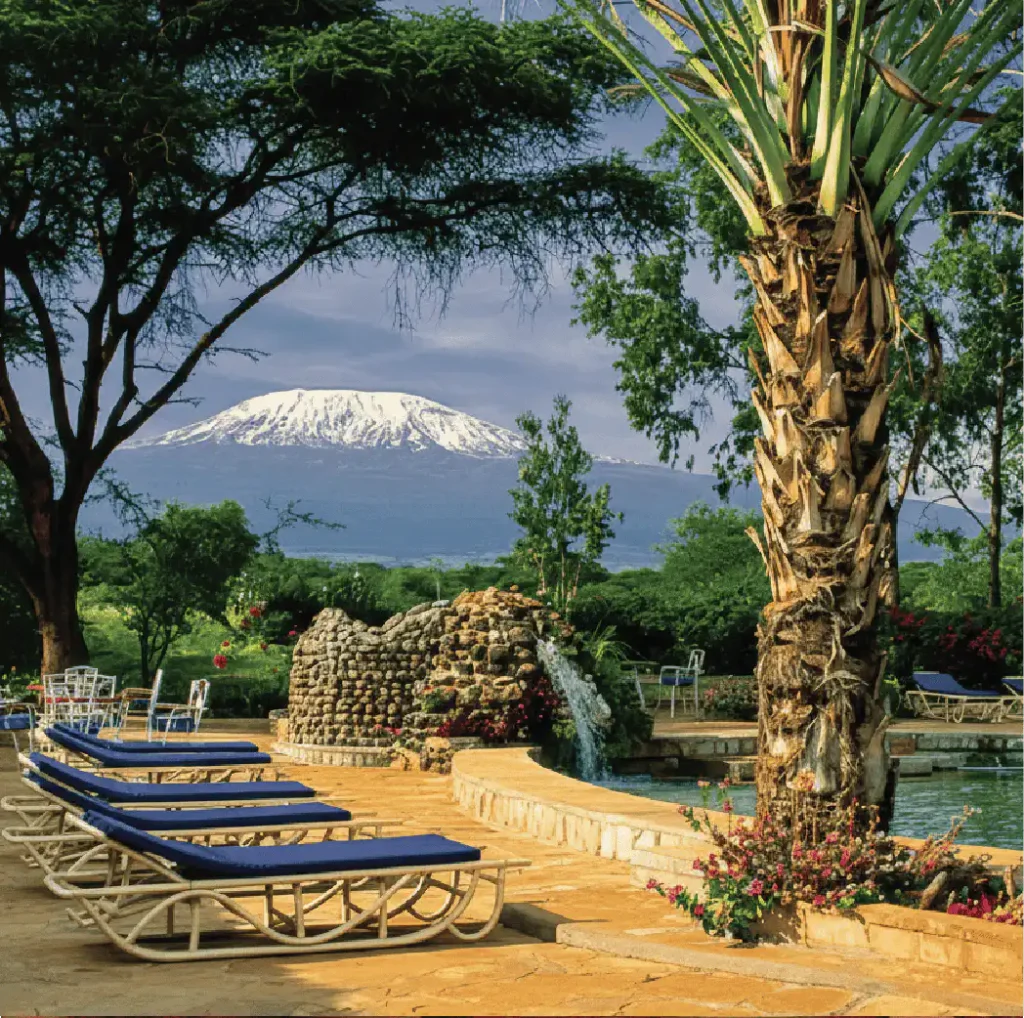
Amboseli Sopa Lodge
Inside the Park: Amboseli Serena Safari Lodge and Ol Tukai Lodge
Amboseli Serena Safari Lodge and Ol Tukai Lodge sit within the park boundary, close to the swamps and to Observation Hill, which gives you the shortest access to the elephants at first and last light. The trade-off is that park rules apply: vehicles must stay on tracks, night driving is not permitted, and you share sightings with more vehicles. These lodges suit first-time visitors who want an accessible, well-supported introduction.
Conservancy Camps: Tortilis Camp and Angama Amboseli
Tortilis Camp, part of the Elewana collection, sits on the park’s edge in the Kitirua Conservancy and is a classic tented camp with Kilimanjaro views. Angama Amboseli opened in November 2023 in the private 5,700-acre Kimana Sanctuary with only ten suites, each facing Kilimanjaro, about a 45-minute drive from the park; it works in partnership with the Big Life Foundation, and its infinity pool has a drinking trough for elephants. Conservancy camps can offer night drives, walking safaris, and off-road driving that the national park forbids, and they are where we place travelers who want privacy.
Extending Into the Chyulu Hills
Ol Donyo Lodge and Campi ya Kanzi in the Chyulu Hills offer a different landscape of volcanic hills and open grassland, with horseback riding, walking, and open-air sleep-outs. The Chyulu Hills are about an hour or two from Amboseli by road or a short flight, and spending two nights in Amboseli and two in the Chyulu Hills creates a journey that is much richer than either destination alone. As a rule of thumb, we recommend one night in a park lodge or an edge-of-park camp for the swamps and the balance in a conservancy for the freedom to move.