Beyond the Beach: Wildlife, Spice Tours, and Cultural Experiences
Zanzibar’s single national park, Jozani Chwaka Bay, protects the only wild population of the Zanzibar red colobus monkey on Earth, a species found nowhere else in the world and one of the more genuinely rare wildlife encounters available anywhere on the East African coast. Established as a forest reserve in 1960 and upgraded to full national park status in 1984, the roughly 50-square-kilometer park combines mahogany forest, coral rag thicket, and a mangrove boardwalk, and its entrance fee of approximately USD 10 includes a mandatory ranger guide who will walk you directly to a red colobus troop, typically within a few minutes of the trailhead since the monkeys are notably unbothered by human presence.
Spice Farm Tours
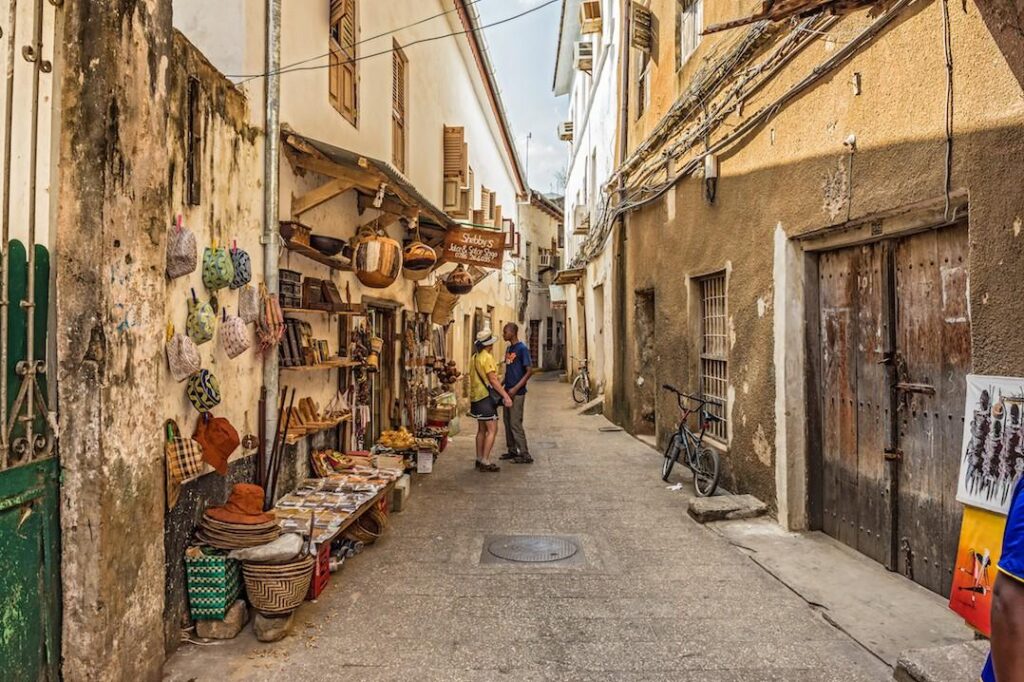
A spice farm tour is the closest thing Zanzibar has to a signature cultural activity, walking visitors through working plantations of clove, cinnamon, nutmeg, vanilla, and black pepper while a guide identifies each plant by scent and taste, a direct link to the trade that built Stone Town’s wealth. Spice tours run roughly USD 25 to 30 on their own, or USD 60 to 80 when combined with a Jozani Forest visit as a single full-day excursion, and are usually paired with a simple Swahili lunch prepared with the same spices.
Prison Island and Kizimkazi Dolphins
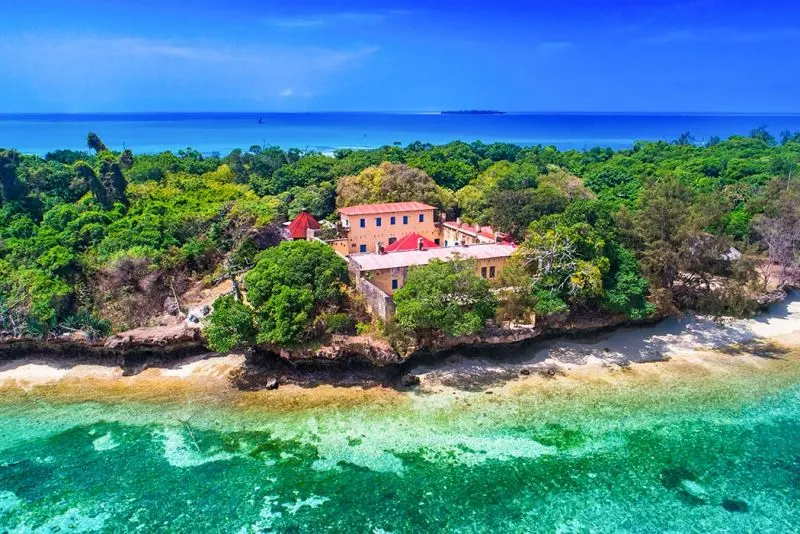
Prison Island (Changuu), a short boat ride from Stone Town, was built as a detention facility for rebellious slaves before becoming a quarantine station, and today it is best known for a colony of giant Aldabra tortoises, some reportedly more than a century old, alongside decent snorkeling on the surrounding reef. On the island’s south coast, Kizimkazi village is the departure point for dolphin-watching boat trips, with bottlenose and humpback dolphins present in the channel through much of the year and sightings most reliable in the morning during the dry season months.
Diving, Snorkeling, and Water Sports at Mnemba Atoll and Beyond
Mnemba Atoll, a small coral island roughly two kilometers off Zanzibar’s northeast coast near Matemwe, anchors a protected marine reserve widely regarded as the finest snorkeling and diving site in Zanzibar, with consistently clear water, healthy coral, and regular sightings of green turtles, reef sharks, and dolphins. Diving and snorkeling conditions peak during the two dry seasons, with visibility commonly reaching 20 to 30 metres between June and October and again from December into March, while the long rains from March to May bring plankton blooms that noticeably cloud the water and lead many dive operators to scale back or pause operations, particularly in April.
Kitesurfing at Paje
Paje’s combination of a shallow, reef-protected lagoon and reliably strong, consistent side-onshore wind has made it one of the most respected kitesurfing destinations in Africa, with two distinct wind seasons: the Kusi, blowing from the southeast at 15 to 25 knots from roughly mid-June to mid-October, and the Kaskazi, blowing from the northeast at 14 to 20 knots from roughly mid-December to mid-March. April and November sit between these seasons and are generally the weakest wind months, worth avoiding if kitesurfing is the primary purpose of your trip.
Whale and Dolphin Watching
Humpback whales migrate directly through the Zanzibar Channel between roughly July and October, with sightings possible on boat trips from the island itself, a genuine bonus for travelers whose Rwanda trip already falls in the June-to-September dry season. Whale sharks are a different matter: the reliable place to see them is Mafia Island, further south along the Tanzanian coast and a separate destination from Zanzibar, best visited between November and February; several Zanzibar-based operators run add-on trips there, but it is worth being clear-eyed that whale sharks are not a Zanzibar-proper wildlife encounter.
Combining Zanzibar With a Rwanda Gorilla Safari
Zanzibar has become a materially easier extension to a Rwanda itinerary since RwandAir launched a direct, non-stop Kigali-to-Zanzibar route in December 2025, operating four times a week on Mondays, Wednesdays, Fridays, and Sundays with a flight time of roughly two and a half hours, a route the airline has explicitly positioned as linking Rwanda’s gorilla trekking market with Zanzibar’s beach and leisure market. Before this route existed, reaching Zanzibar from Kigali meant a connection through Nairobi, Addis Ababa, or Dar es Salaam, typically adding several hours and an extra airport to the journey; the direct service removes that friction entirely and is the single biggest reason a combined itinerary now makes practical sense for travelers who previously would have treated the two destinations as separate trips.
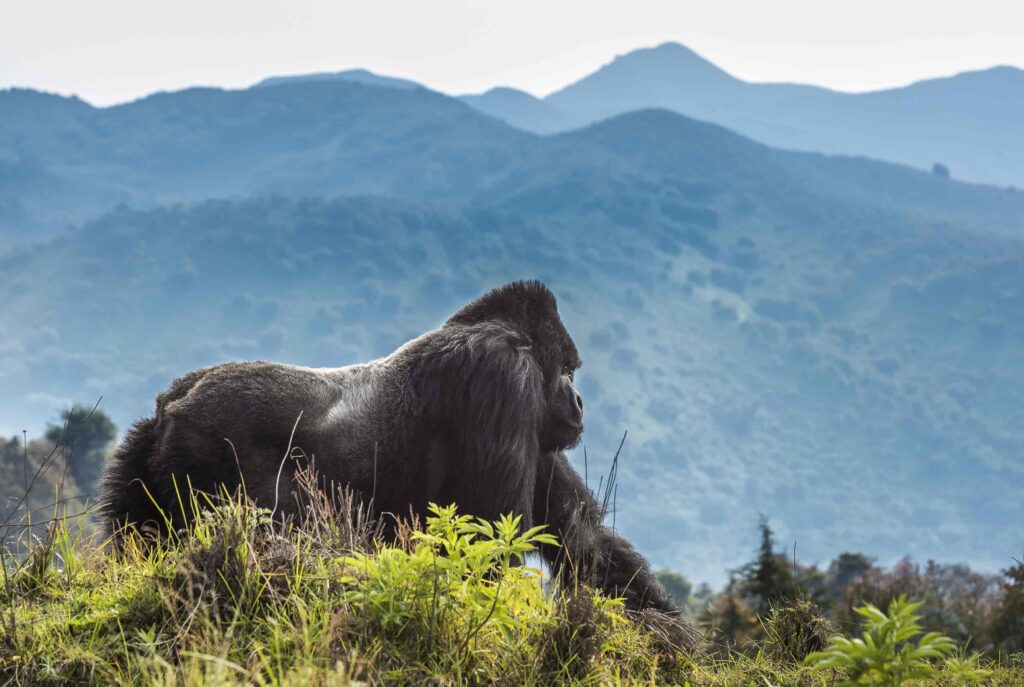
The natural shape of a combined trip is gorillas first, beach second: trek in Volcanoes National Park, fly out of Kigali, and land in Zanzibar with several unstructured days ahead rather than a physically demanding trek still to come. Because Zanzibar’s two dry seasons (June to October and December to February) overlap closely with Rwanda’s own dry-season trekking windows, a well-timed itinerary can deliver firm forest trails for the gorilla trek and calm, clear water for the beach days without compromising on either. Our Luxury Rwandan Primate Safari and Best of Rwanda’s National Parks itineraries are both routed to end in Kigali, making a same-day or next-day connection to Zanzibar genuinely realistic, and we build the Zanzibar leg’s flights and transfers directly into the itinerary planning, even though our on-the-ground operations remain Rwanda-based.