The Best Time to Visit Bwindi: Weather, Seasons & Permit Timing
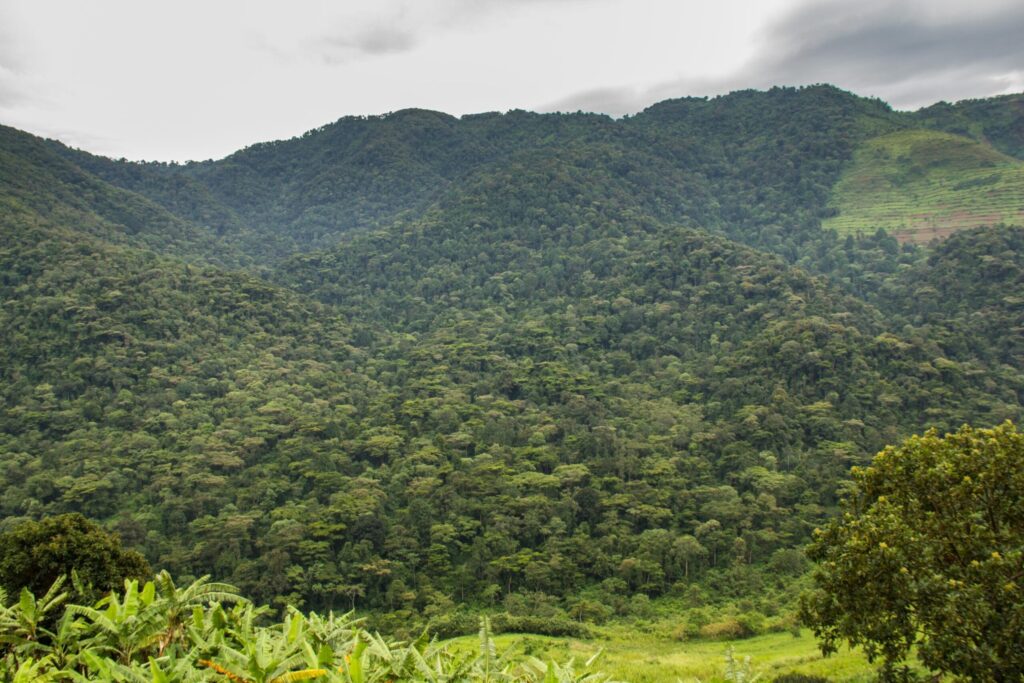
Bwindi has two dry seasons and two wet seasons, and gorilla trekking runs year-round in all of them, so the real question is not whether you can trek but which trade-off between trail conditions, crowds, and permit pricing suits your trip. The two dry seasons, June through September and December through February, offer the firmest, least muddy trails and are considered the best time to visit Bwindi by most operators and repeat travellers, which also makes them the periods of highest demand and tightest permit availability.

The wetter months of March through May and October through November bring heavier rainfall and noticeably muddier, more physically demanding trails, particularly in Nkuringo and the higher reaches of Ruhija. Uniquely among the three gorilla trekking countries, however, Uganda turns three of these wetter months, April, May, and November specifically, into a genuine value opportunity: UWA’s discounted USD 600 permit applies on fixed dates during these months, a saving of USD 200 per person compared to the standard season, though these discounted permits are non-reschedulable once booked, so travellers need real certainty about their dates before committing.
For peak-season travel, June through September or December through February, permits should be secured six to twelve months ahead wherever possible, as demand across Bwindi’s four sectors, and especially the more accessible Buhoma and Rushaga, can outstrip supply well before the travel date itself. Shoulder and low-season travel is generally more forgiving on lead time, though earlier booking remains preferable given the March 2026 change requiring full payment at the point of booking rather than after a reservation hold.
What to Pack and How to Prepare for a Bwindi Gorilla Trek
Bwindi trekking difficulty spans a genuinely wide range and cannot be predicted in advance, because it depends entirely on where your assigned gorilla family happens to be on the specific morning of your trek rather than on any fixed property of the sector itself. At the easier end, some families are reached within 30 to 60 minutes of moderate walking on established paths; at the more demanding end, particularly in Nkuringo or when a family has moved deep into a valley overnight, a trek can run 5 to 8 hours over steep, muddy, densely vegetated terrain. No operator, including the Uganda Wildlife Authority itself, can guarantee trek length in advance, and this variability is precisely why Bwindi has a reputation as tougher walking than Rwanda’s more predictable Volcanoes National Park.
Hiring a porter at the sector briefing point is genuinely worth doing regardless of personal fitness level: these porters are local community members who carry your day pack and provide practical assistance on difficult sections, the fee is modest, and the arrangement puts direct income into the community bordering the park. A sturdy walking stick, usually available for hire at the briefing point, and boots that are already broken in rather than brand new for the trip, make a disproportionate difference to comfort across a multi-hour hike over Bwindi’s uneven forest floor.
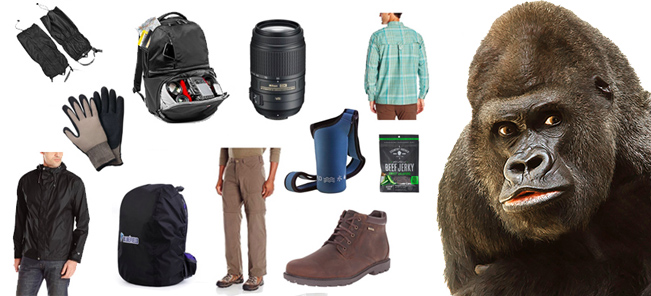
Bwindi Gorilla Trek Packing List
- Long-sleeved shirt and long trousers in dark, neutral colors (olive, khaki, dark green, or grey); avoid bright colors and white.
- Waterproof, ankle-supporting trekking boots with an aggressive tread; trainers and sandals are genuinely inadequate for Bwindi’s terrain.
- A packable waterproof rain jacket; Bwindi receives rain year-round, and it can arrive with little warning.
- Gardening or lightweight work gloves for pushing through dense vegetation and gaiters to keep out stinging nettles and moisture.
- At least two liters of water, plus a packed lunch or snacks for treks that run long.
- A basic first aid kit, insect repellent, and sunscreen for the exposed sections of the walk.
- A camera or phone with spare batteries and memory cards; flash photography is strictly prohibited during the gorilla encounter itself.
- Bring small-denomination US dollars or Ugandan shillings in cash for porter fees and gratuities, as card facilities are limited at sector headquarters.
Bwindi vs. Rwanda’s Volcanoes National Park: Which Should You Choose?
Bwindi and Rwanda’s Volcanoes National Park both deliver the same core encounter: an hour on foot with a wild, habituated mountain gorilla family. However, the surrounding experience differs enough in cost, terrain, and logistics that the right choice genuinely depends on what a given traveller is optimising for. Rwanda wins decisively on convenience: Volcanoes National Park sits roughly two to two and a half hours from Kigali International Airport on a single well-maintained road, and its entire trekking itinerary runs from one headquarters at Kinigi rather than four separate sectors spread across a much larger, wilder park. Bwindi wins decisively on value and sheer scale of habituated families: at USD 800 against Rwanda’s flat USD 1,500, and with a genuinely older, denser, more biodiverse forest, many experienced trekkers consider Bwindi the more immersive wilderness experience of the two, at the cost of longer transfers and generally tougher walking.
For travellers with the time and interest, doing both is increasingly common and genuinely rewarding: the Cyanika border crossing puts Bwindi’s southern sectors within a half-day’s drive of Rwanda’s Volcanoes National Park, making a combined Rwanda-Uganda gorilla safari a realistic single-trip itinerary rather than two separate journeys. A full side-by-side breakdown of permit cost, terrain, accessibility, and accommodation style between the two countries is covered in detail in our own dedicated comparison.
Rwanda vs. Uganda Gorilla Trekking, which is worth reading alongside this page before deciding where to trek or whether to do both.
Bwindi vs. Volcanoes National Park at a Glance
| Factor |
Bwindi (Uganda) |
Volcanoes NP (Rwanda) |
| Permit cost |
USD 800 (USD 600 low season) |
USD 1,500 year-round |
| Habituated families |
20+ across 4 sectors |
24, dispatched from one hub |
| Drive time from Kigali |
4–6 hours (southern sectors fastest) |
2–2.5 hours to Kinigi |
| Trekking structure |
4 separate sector headquarters |
Single Kinigi headquarters |
| Typical terrain |
Older, denser forest; generally tougher |
Volcanic slopes; generally more predictable |
| Lodge landscape |
Wide range, from budget to luxury, by sector |
Concentrated ultra-luxury cluster near Kinigi |
Where to Stay Near Bwindi: Lodges by Sector
Bwindi’s accommodation landscape has grown considerably over the past decade, and unlike Rwanda’s single-hub cluster around Kinigi, lodges here are spread across four separate sectors, which means where you stay is dictated first by which sector your permit is issued for, not by preference alone. Because sector assignment happens at the point of booking the permit itself, choosing accommodation and permit sector together, rather than sequentially, avoids the common mistake of booking a beautiful lodge only to discover it is a two-hour drive from the trailhead.
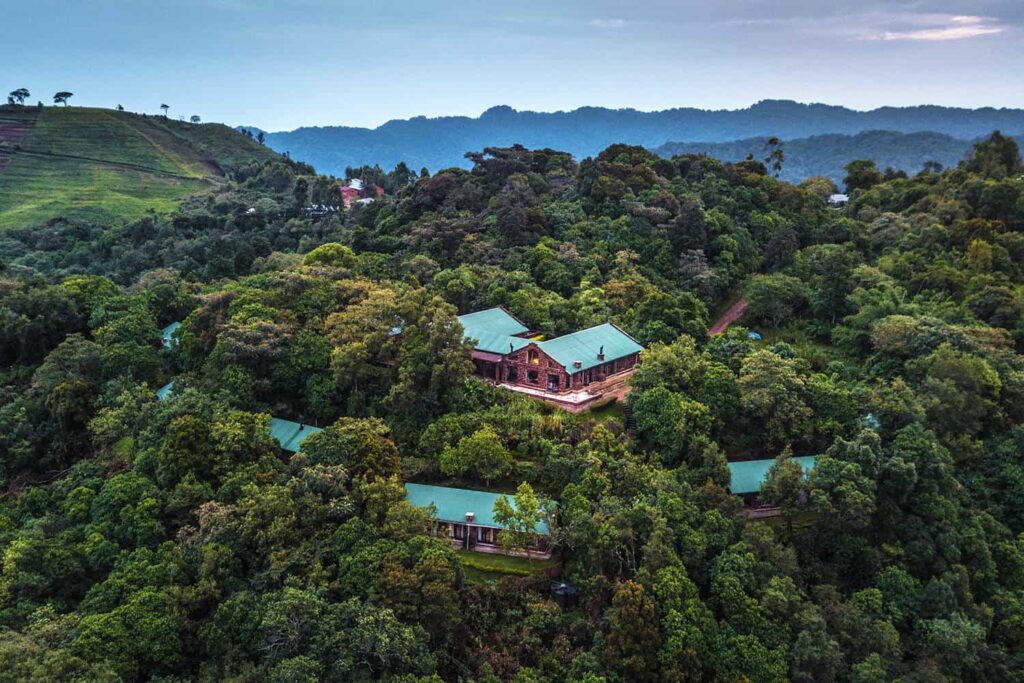
Clouds Mountain Gorilla Lodge
Buhoma
Buhoma’s longer operating history has produced the widest accommodation range of any Bwindi sector, from simple community-run guesthouses through to genuine luxury properties positioned directly against the park boundary, several with private decks that look straight into the forest canopy. Its proximity to Queen Elizabeth National Park also makes it a natural base for travelers extending their trip into Uganda’s savannah parks rather than looping back toward Rwanda.
Ruhija
Lodges in Ruhija tend to be smaller and more intimate than Buhoma’s, reflecting the sector’s quieter, birding-focused character, with several properties positioned to take advantage of the cooler highland climate and long forest views that make this sector’s mornings especially atmospheric.
Rushaga and Nkuringo
Rushaga and Nkuringo, Bwindi’s two southern sectors and the most convenient for Rwanda-based itineraries, have seen the fastest growth in luxury accommodation over the past several years, driven directly by cross-border demand from travelers combining a Rwanda gorilla trek with a Uganda extension. Several genuinely five-star-calibre properties have opened in this corridor specifically to serve that traveller, offering a level of design, service, and privacy that would have been difficult to find in southern Bwindi even a decade ago. As with every element of a Bwindi trip, exact lodge selection and current rates should be confirmed directly against live availability, since the pace of new openings in this corridor means published lists age quickly.
Beyond Gorillas: Other Things to Do in and Around Bwindi
Gorilla trekking is the reason almost every traveller first books a trip to Bwindi, but treating the park as a single-activity destination undersells what a longer stay actually offers, particularly for those who have already secured a permit and want to fill a second or third day meaningfully.
The Batwa Cultural Trail
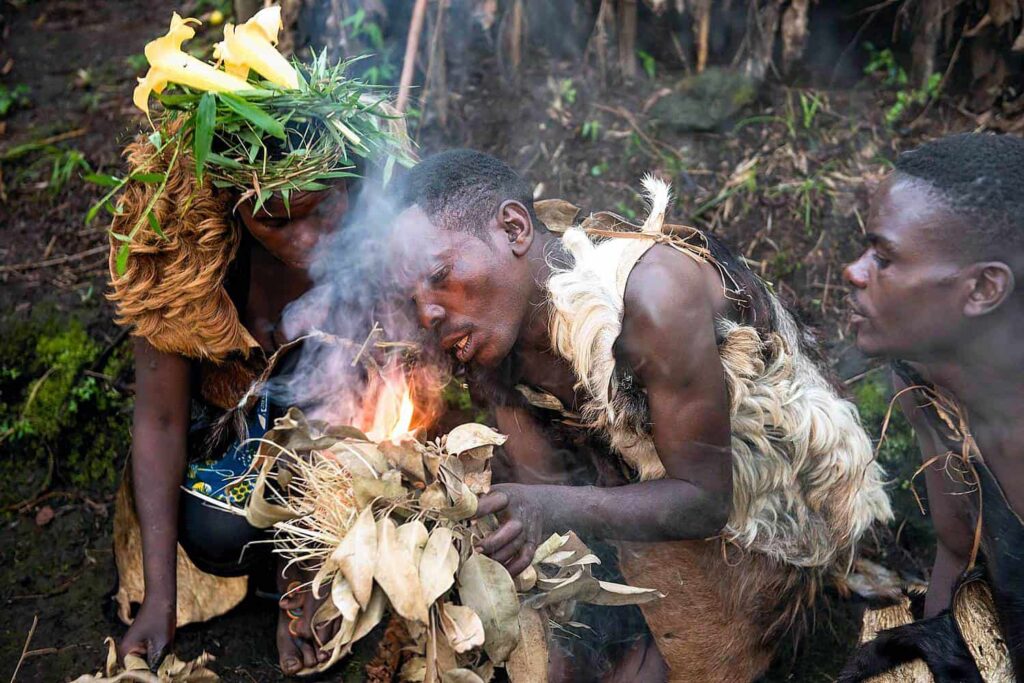
The Batwa were Bwindi’s original forest inhabitants before the park’s 1991 gazettement required their resettlement outside its boundaries, and the Batwa Cultural Trail, run by former forest-dwelling community members, offers a guided walk through the same forest they once called home, covering traditional hunting and gathering techniques, medicinal plant use, and honey collection. It is one of the more direct, community-benefiting cultural experiences available anywhere in the gorilla trekking region, and it pairs naturally with a rest day between two trekking days.
Chimpanzee Trekking Near Ruhija
Bwindi holds a separately habituated chimpanzee community in the forest around Ruhija, giving travellers based in that sector the option to trek two different remarkable apes, gorillas and chimpanzees, without changing lodges, a combination that is difficult to replicate anywhere else in East Africa within a single, compact itinerary.
Forest Walks, Waterfalls, and Birding
Beyond the primate-focused activities, Bwindi offers several shorter guided forest walks and waterfall trails, most notably around Buhoma, that require no gorilla permit and suit travellers looking for a lighter second-day activity or families with members under the minimum trekking age. Given the park’s standing as one of Africa’s premier forest birding destinations, a half-day guided birding walk with a specialist local guide is also a genuinely worthwhile addition for any traveller with even a casual interest in birds, particularly in the Ruhija sector.