The Lodge at Dawn; Breakfast Before the World Wakes
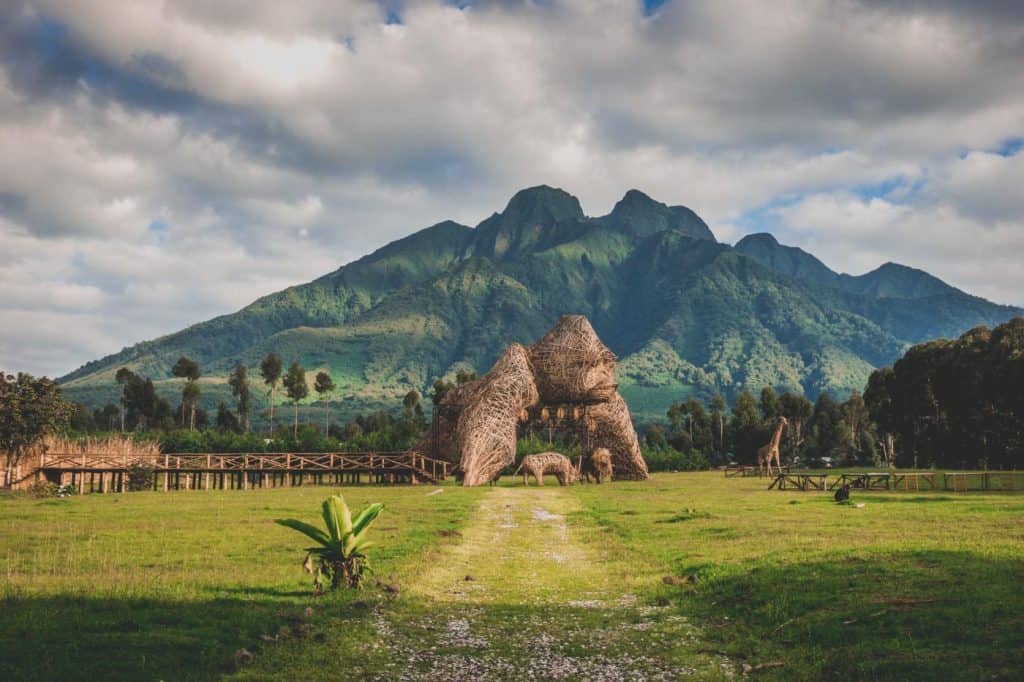
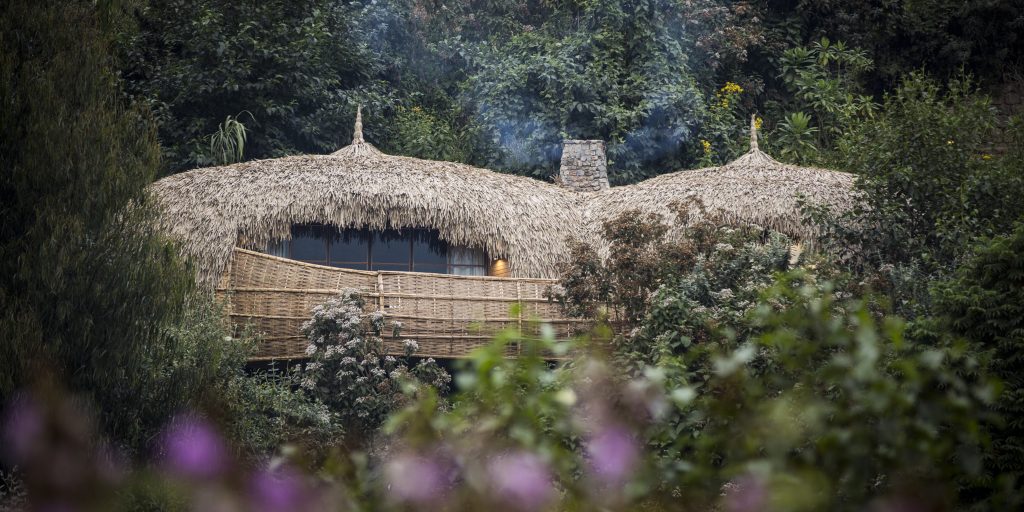
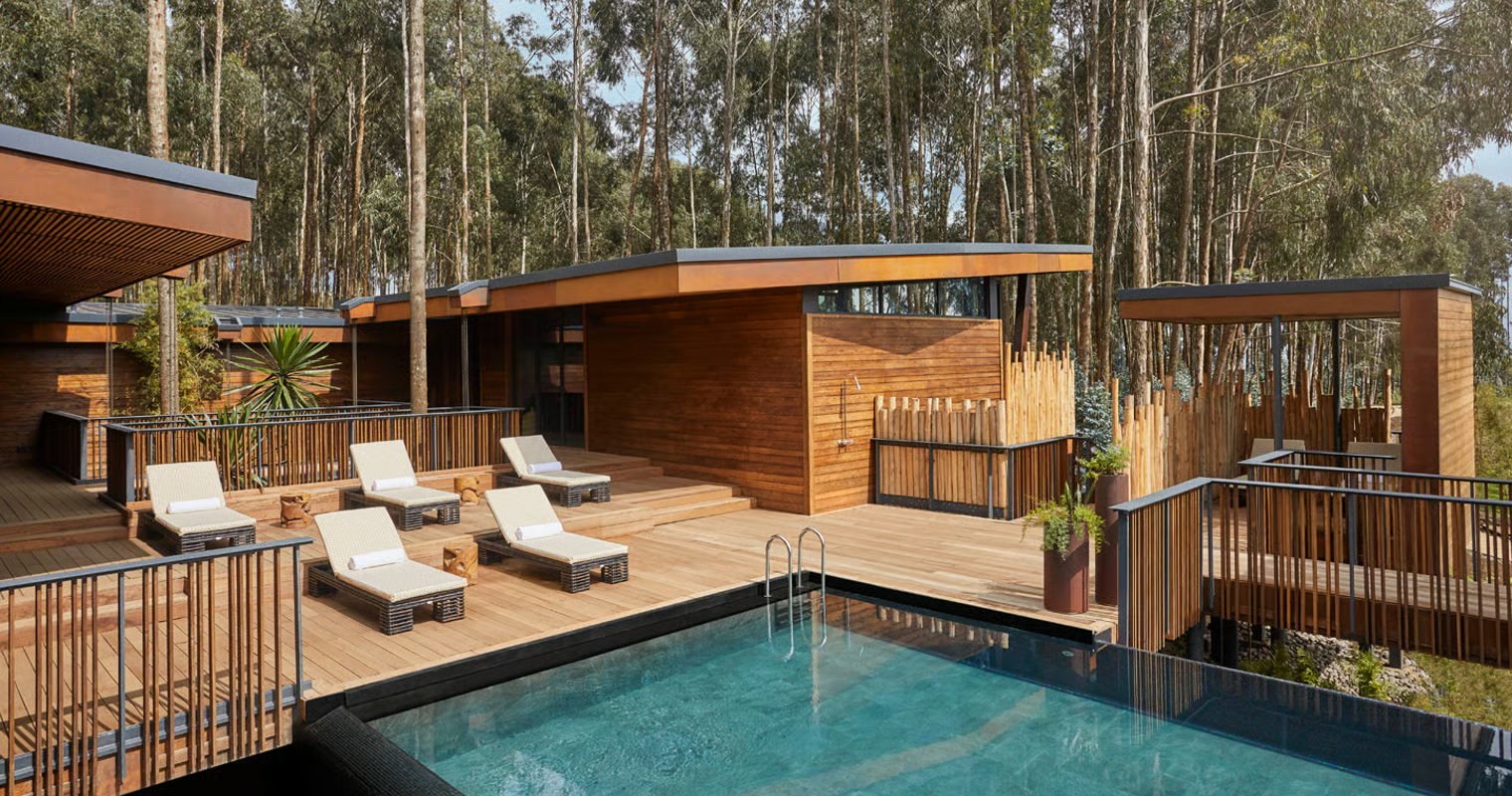
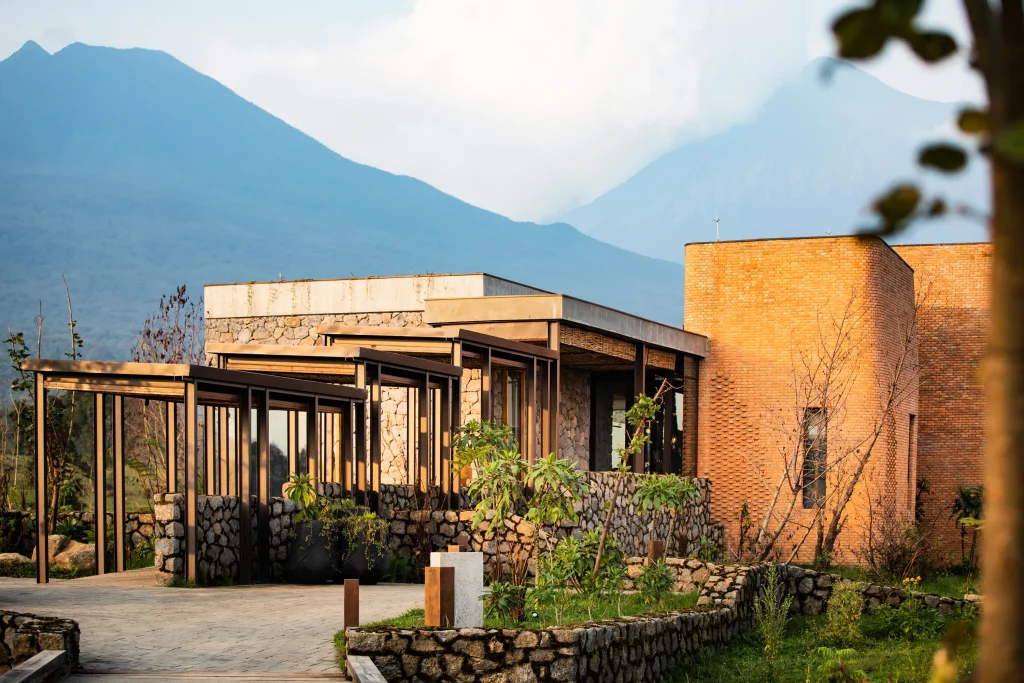
There is a particular quality to a morning in the Virunga foothills. The mist lies in the valley below the lodge; the volcanoes are silhouettes turning from charcoal to grey to green as the light builds, and the air has a cleanness that altitude and equatorial forest combine to produce in very few places on Earth. Breakfast is served early; your lodge will have confirmed your departure time the evening before, and it is never rushed. Good coffee. Fresh bread. Local fruit. A table with the view you came for.
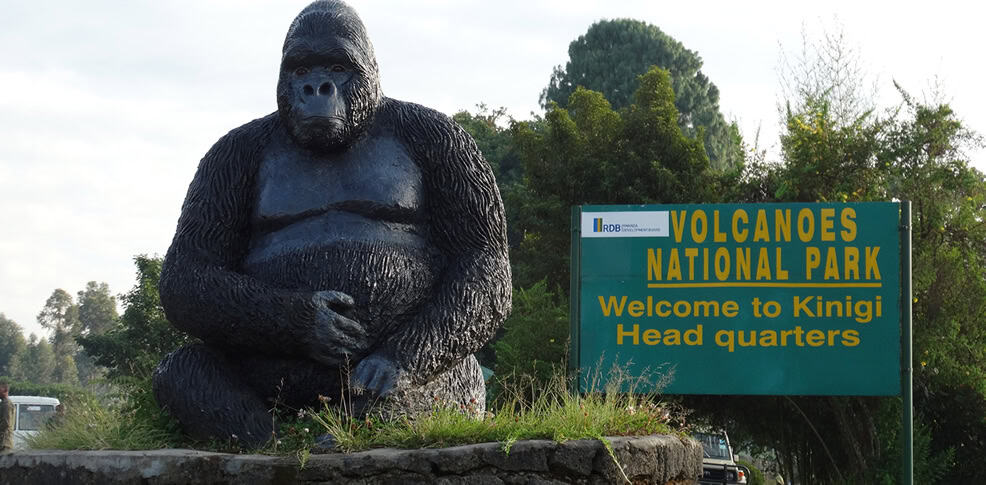
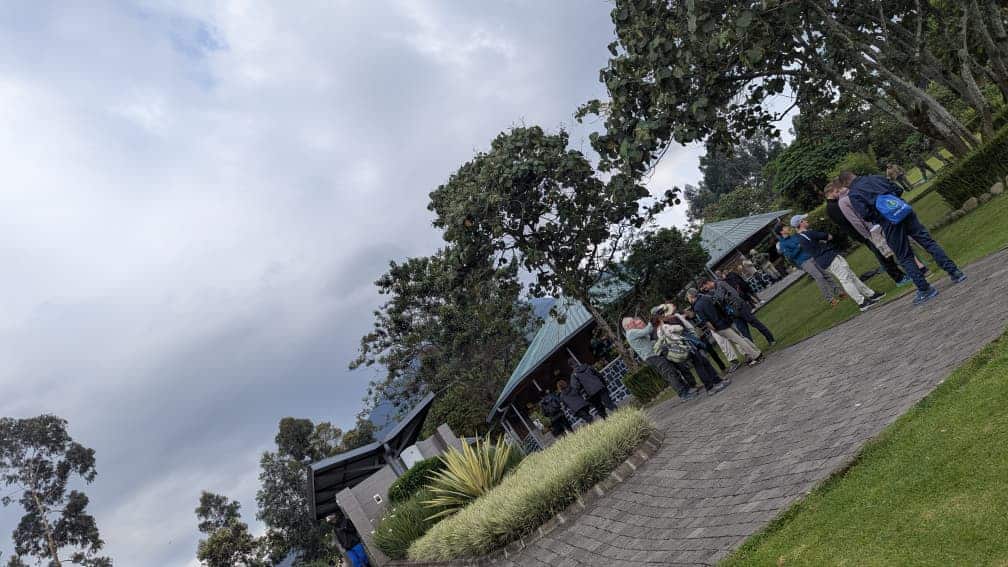
Your guide is ready when you are. The drive to Kinigi Park headquarters is a matter of minutes from most lodges near the park, and arriving unhurried at the briefing is one of the quiet luxuries that the overnight stay makes possible. No 5:00 AM departure from Kigali. No anxiety about the clock. Just a well-rested traveler, a short and beautiful drive, and a morning of complete attention ahead.
The Briefing: Where the Adventure Receives Its Shape
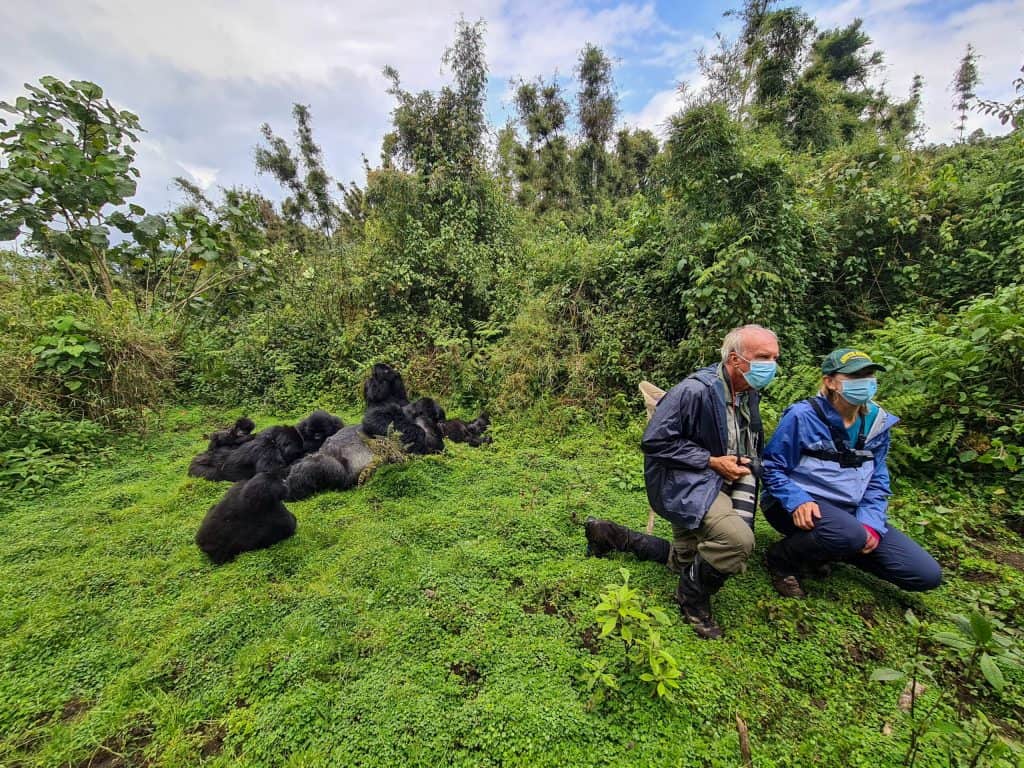
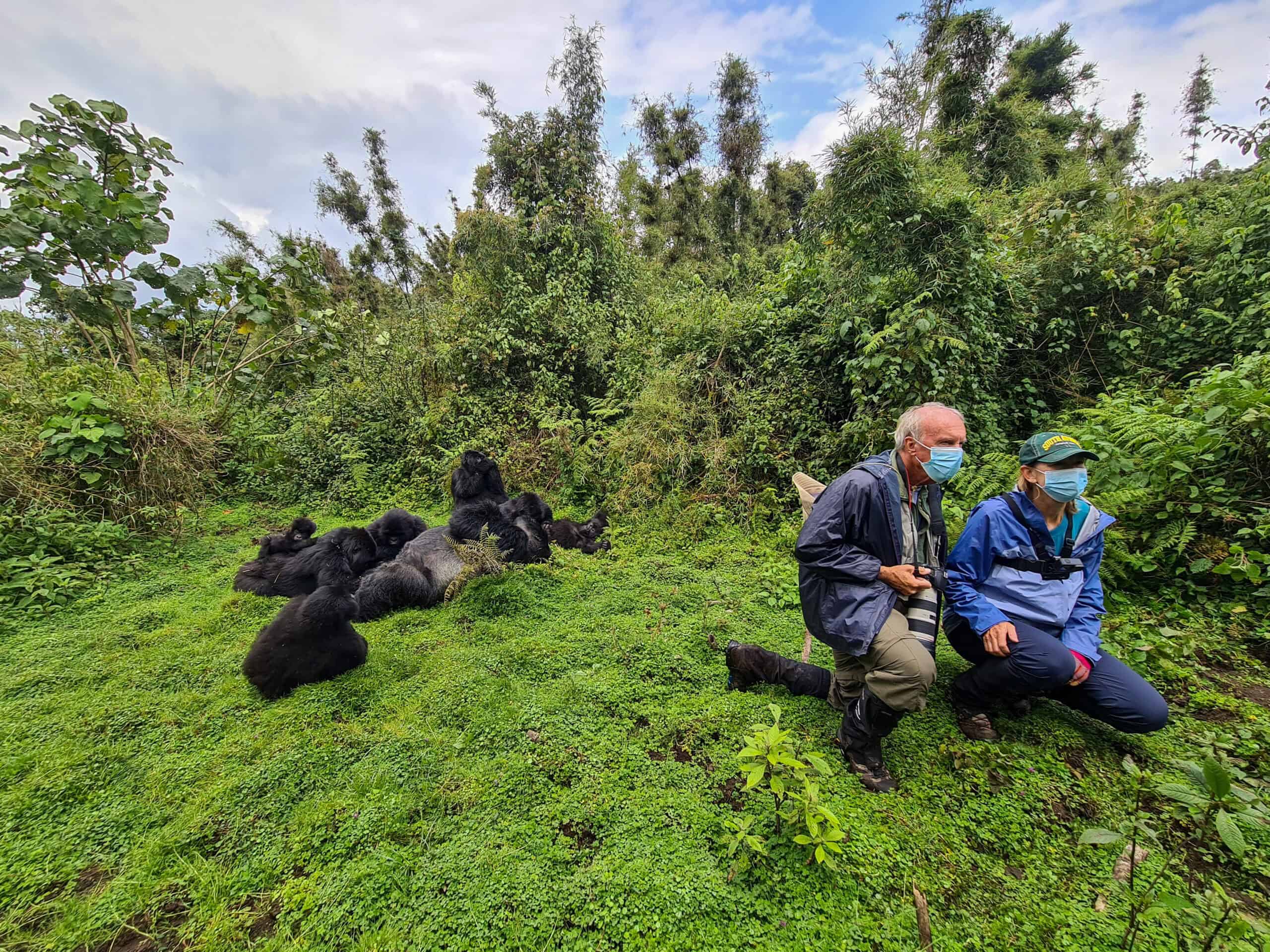
The Rwanda Development Board conducts the pre-trek briefing at Kinigi with a combination of practical instruction and genuine passion for what is about to happen. The rules of engagement are clearly communicated: maintain seven metres from the gorillas unless they approach you; no flash photography; no coughing or sneezing near the animals without covering your mouth; follow the lead ranger’s instructions without question; and limit the group to the eight permitted members. These protocols stem from decades of conservation science and reflect the collective wisdom of those who helped revive the mountain gorilla population. Each of the gorilla families in Volcanoes National Park has its character, history, and social dynamics. Your guide will explain what to expect from the specific family assigned to your group, including the silverback’s personality, the approximate number of members, and anything notable about their current behavior or recent movements.
For those who have considered the ultimate version of this experience, one where no other visitors share the family, where the pace is entirely yours, and where the encounter unfolds with absolute privacy, our exclusive gorilla trekking in Rwanda provides a premium alternative that removes all variables except the one that matters: you and the gorillas.
The Trek: Moving Through Living History
The forest begins at the park boundary, where cultivated fields give way, with a sudden and complete finality, to a world that has existed on its own terms for millions of years. Porters are engaged through the park, and a contribution that provides meaningful local employment takes your pack the moment you set foot on the trail, and from that point onward your body is free to simply move, and your mind is free to simply notice.
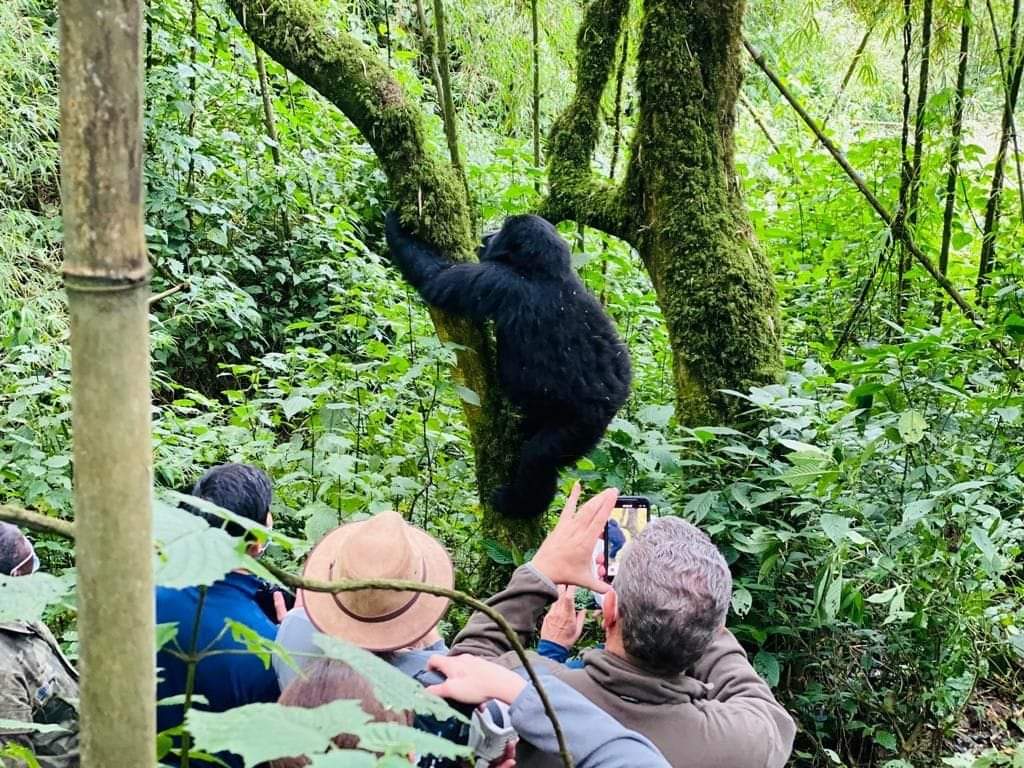
The trail climbs through bamboo zones where the canes are as thick as a man’s forearm and the light filters through the canopy in diffuse, jade-colored shafts. Higher, the vegetation shifts to Hagenia and Hypericum forest, older and denser, where moss covers everything and the ground beneath your boots is soft with centuries of accumulated organic matter. Your lead ranger communicates by radio with the trackers who have been following the gorilla family since before dawn, narrowing the distance incrementally, and at some point the radio crackles with a message that your guide translates with a calm that belies the significance: they are close.
The exact duration of the trek is never predictable, and its unpredictability is part of its nature. Rwanda’s habituated gorilla groups have smaller home ranges than those in Uganda’s Bwindi, which usually results in shorter trek times of two to four hours. However, the forest does not operate on schedules, and reaching the encounter after the walk makes the moment exponentially more powerful. You feel the altitude in your legs and lungs. You feel the humidity on your skin. You feel the specific, ancient aliveness of the place in a way that no road, no vehicle, and no lodge, however beautiful, can deliver. And then you stop.
The Encounter: Sixty Minutes Outside of Time
No preparation is adequate. That is both the most honest thing anyone can say about a gorilla encounter and the most important. Every guide who has spent years leading trekkers into the forest will tell you the same thing: the guests who have read the most, watched every documentary, and studied the family profiles and conservation history are the ones who stand there in absolute silence, camera forgotten at their side, undone by the reality of it.
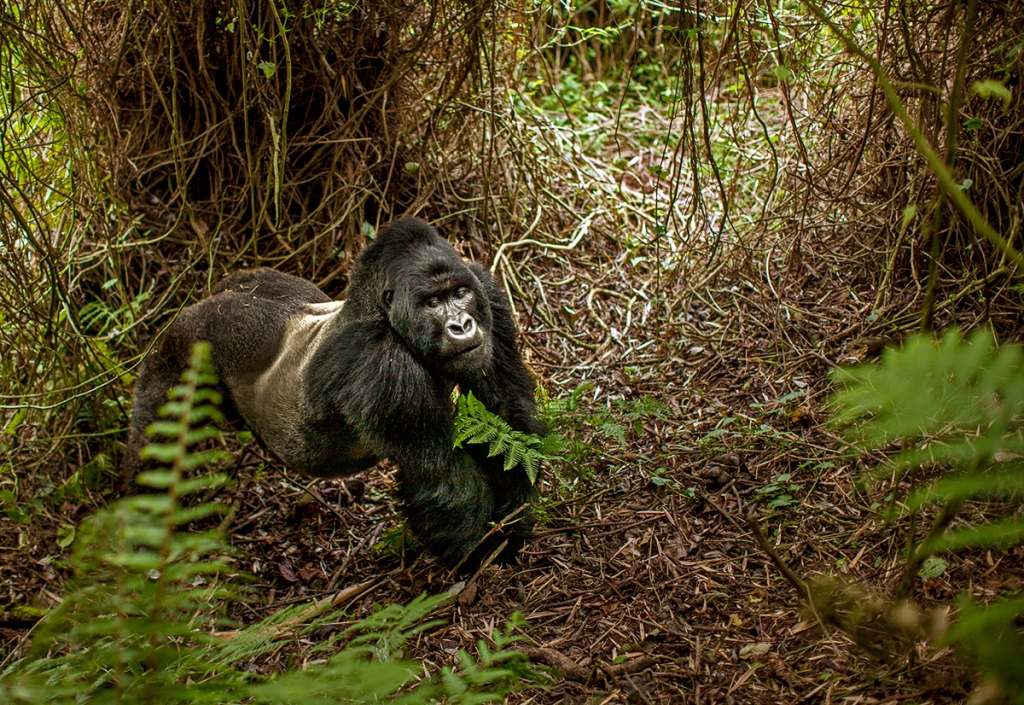
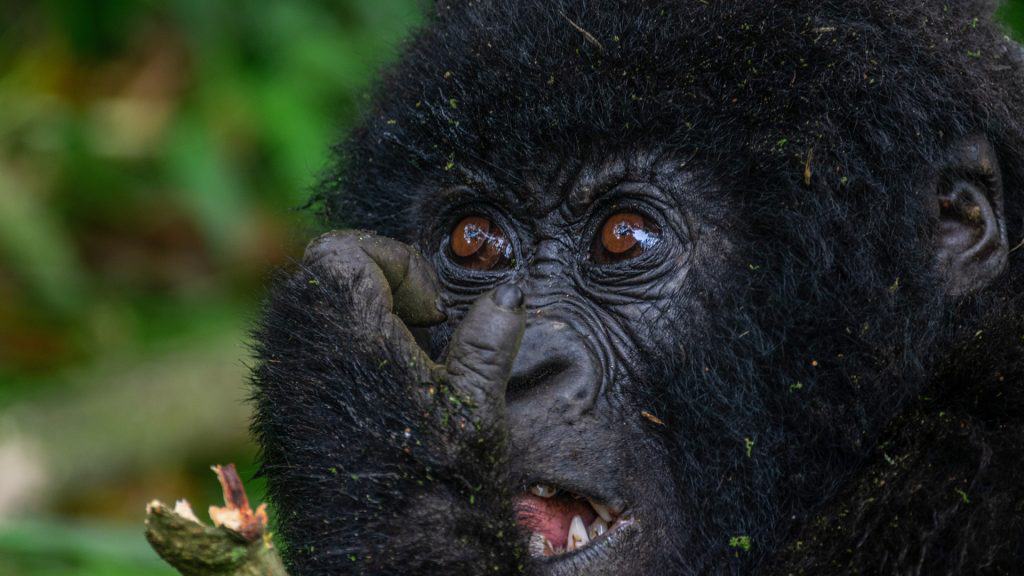
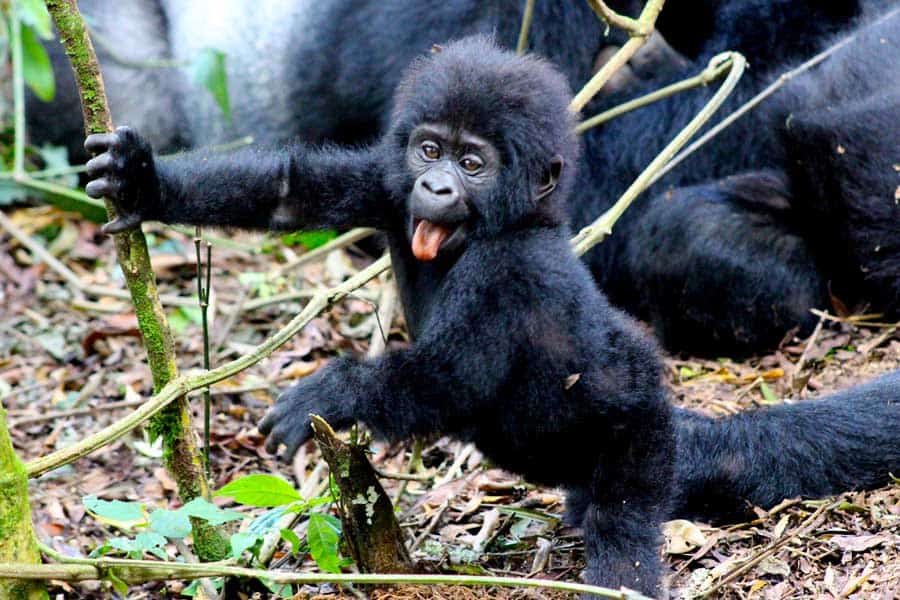
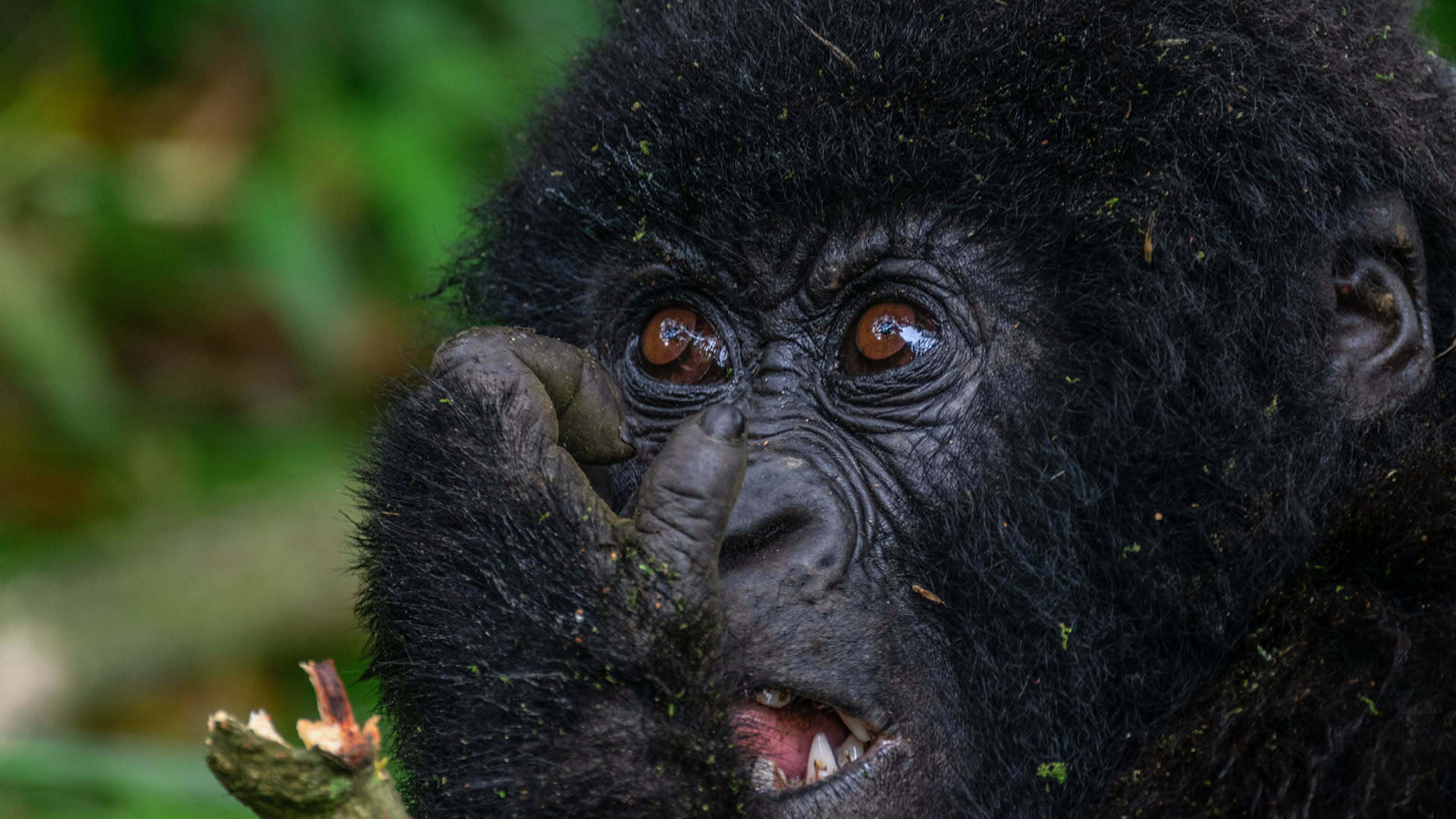
A mountain gorilla family at ease is one of the most affecting sights in the natural world. Though their size is formidable, that is not the reason. Not because of their proximity to us genetically, though 98.3% shared DNA is a fact that arrives in the body rather than the mind when you are standing five metres from a silverback who is regarding you with calm, amber-colored intelligence. It is because of the ordinariness of what they are doing nursing, playing, eating, grooming, and arguing with a sibling and the extraordinary fact that you are permitted to witness it, briefly, as if time has folded and admitted you to something that normally exists without human observation at all.
The one hour passes in the particular way that the best hours always pass: both instantaneous and eternal. Your ranger signals the end with quiet authority. The group withdraws, stepping carefully backwards through the vegetation, and the forest closes around the gorillas again as completely as if you were never there. In every way that matters to them, you are not.
Late Morning: The Return, the Certificate, and the Long Exhale
The walk back to the park boundary carries a different quality than the walk in. Something has shifted. The forest is the same forest, the same bamboo, the same moss, and the same birds cycling above the canopy, but you move through it as a person who has seen something that hardly any people on Earth will ever see, and that knowledge sits quietly inside you like a counterweight.
At the park headquarters, a hot lunch is served and your official certificate for gorilla trekking in Rwanda is presented, dated, signed, and bearing the name of the gorilla family you visited. This simple document holds a multitude of meanings. Porters and guides receive their gratuities with the warmth of people who take genuine pride in their work, and their smiles are sincere. They know what you just experienced. They have seen it happen hundreds of times and still consider themselves fortunate to be part of it.
Afternoon: The Road Back to Kigali
Your private vehicle departs the park in the early afternoon, retracing the morning’s route southward through the highlands. The morning has annexed the landscape, making it part of the story of a remarkable day, even though it looks familiar. Your guide adjusts the pace to yours: some travelers want to talk through the experience, to process it in words; others prefer the window and their own thoughts. Both are entirely right. If time and inclination allow, a stop in Musanze for something local, a coffee, a craft, or a brief walk through the old town’s colonial streetscape adds a human texture to the day that balances beautifully against the wildness of the morning. For travelers considering extending their Rwanda experience to include additional parks and primate encounters, our luxury Rwandan primate safari provides an eight-day journey that takes in Nyungwe Forest and Volcanoes National Park in full and is widely regarded by our guests as one of the most comprehensive wildlife experiences in East Africa.
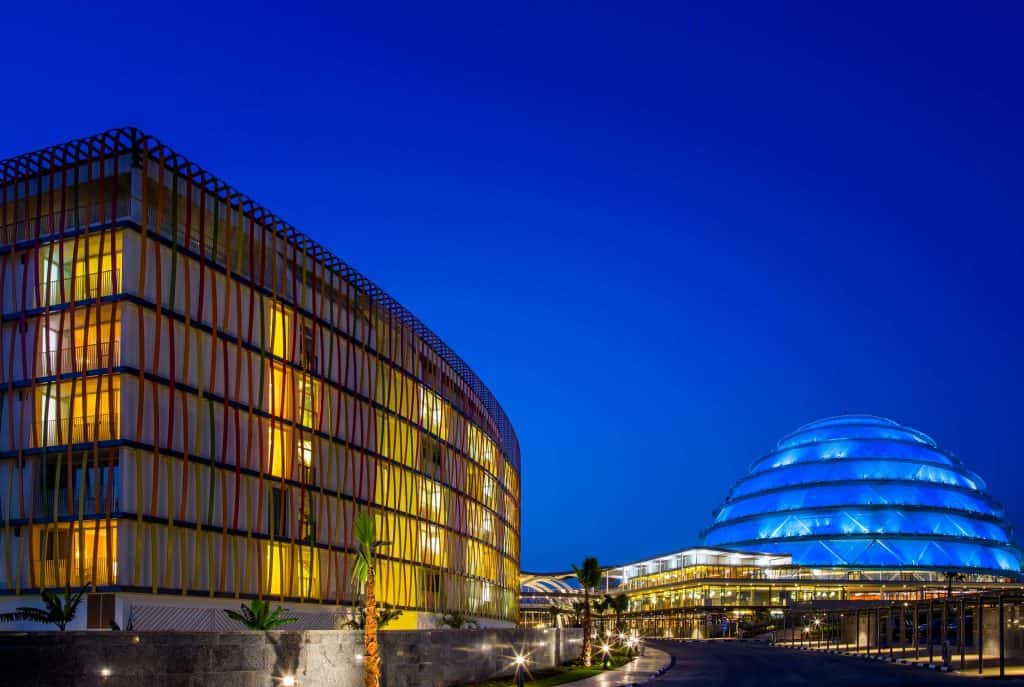
The return to Kigali takes place in the late afternoon, arriving typically between five and seven in the evening depending on the day’s trail conditions. The city receives you back into its particular energy, the hills, the lights coming on across the valleys, and the hum of a capital that has rebuilt itself with extraordinary intentionality, and you arrive with something the city cannot offer: the specific, private memory of having been in the forest.