What Is Included
Every element of this safari has been selected, confirmed, and accounted for before you land. Nothing is left to chance, and nothing requires a decision on the ground that was not anticipated in the planning. The following are included as standard.
- Return private airport transfers, Kigali International Airport to Volcanoes National Park
- 3 nights’ luxury lodge accommodation in the Kinigi/Volcanoes area, full board (all meals and non-alcoholic drinks)
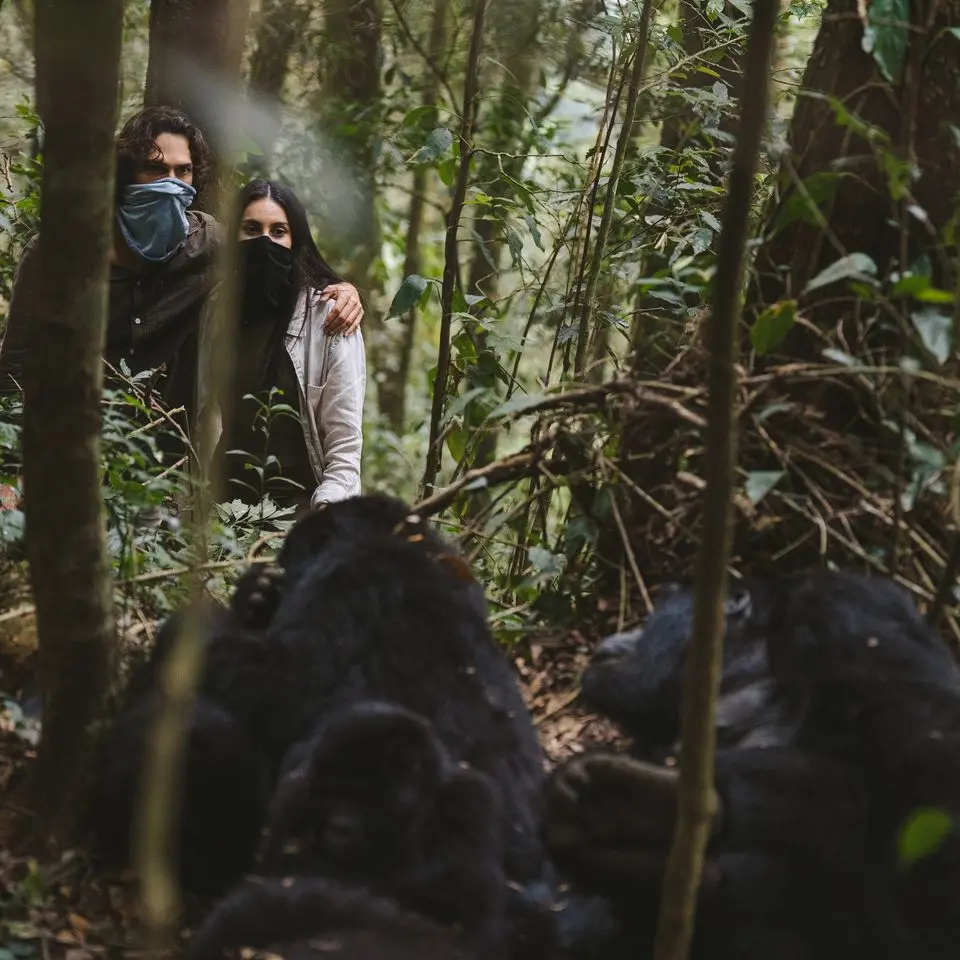
- Official Rwanda gorilla trekking permit: USD 1,500 per person, secured before your arrival
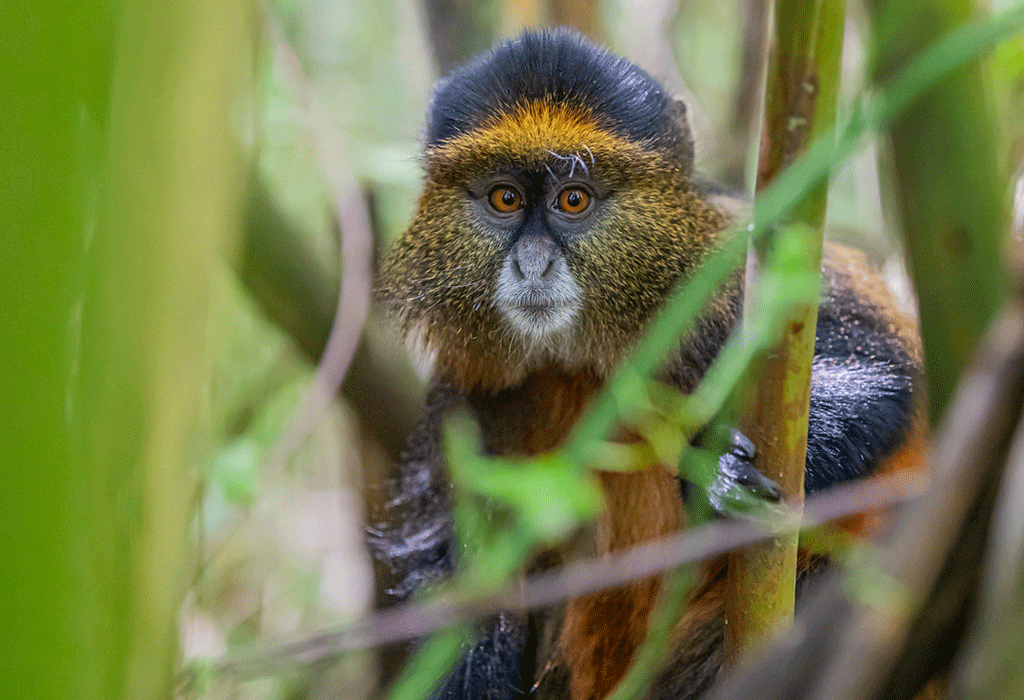
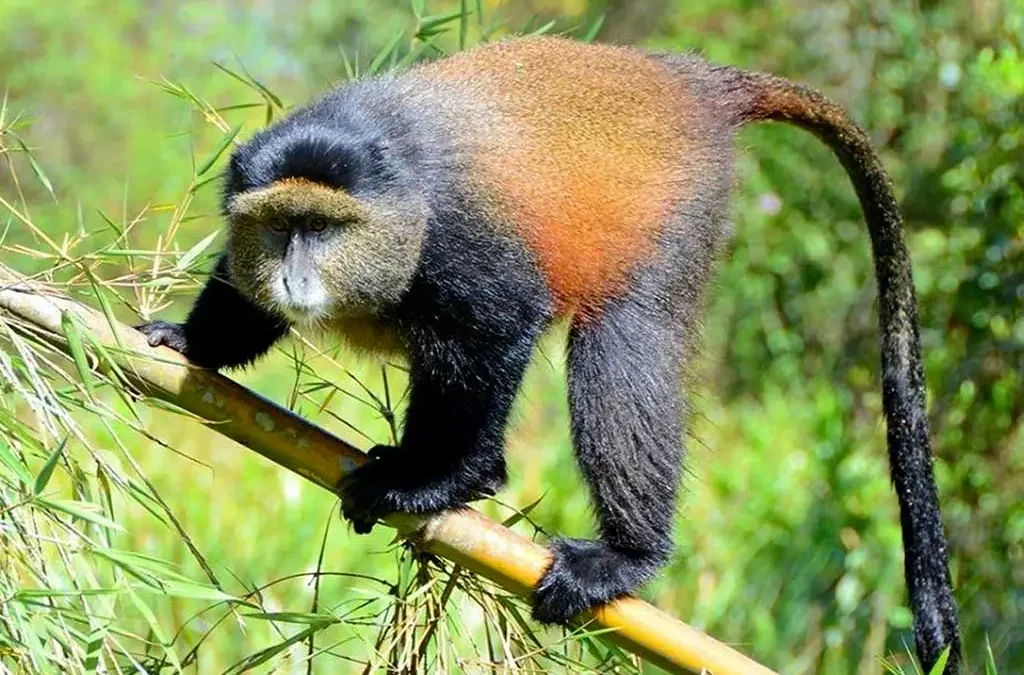
- Official golden monkey trekking permit: USD 100 per person
- All national park entrance and conservation fees
- Professional, English-speaking private guide throughout the entire safari
- Experienced ranger team and recommended porters on both trekking days
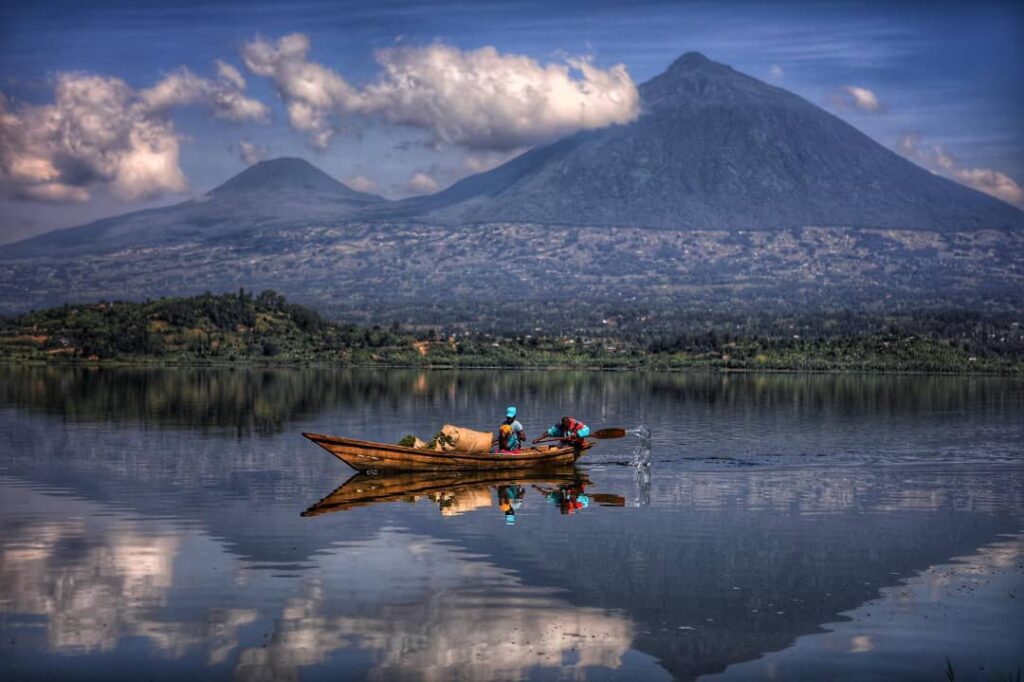
- Private boat excursion on Lakes Burera and Ruhondo (Day 3 afternoon)
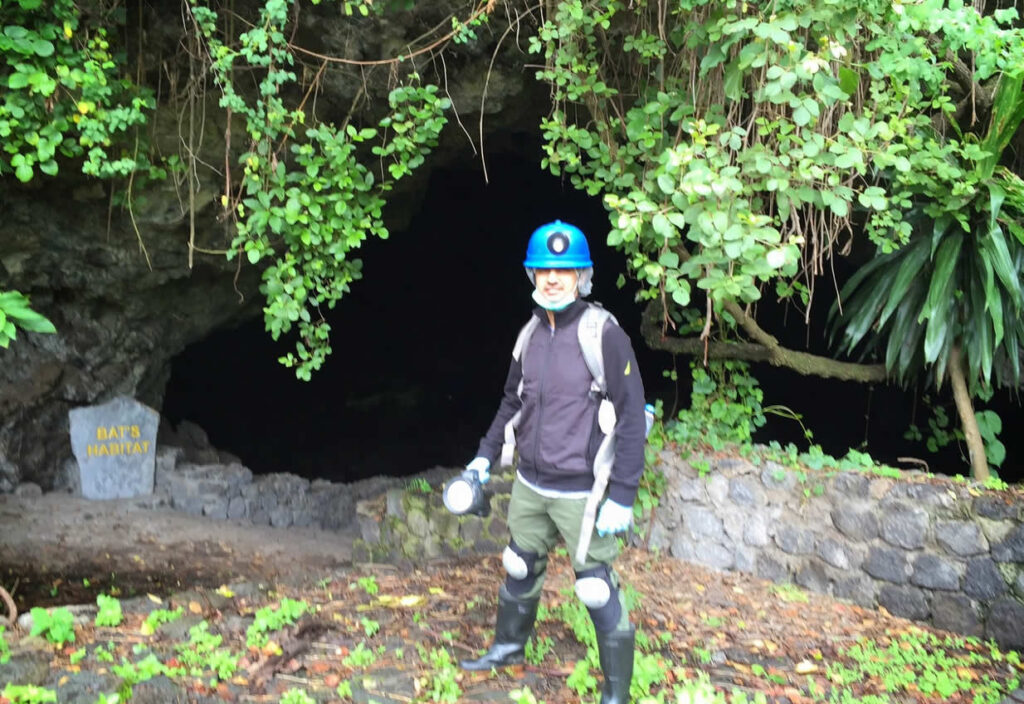
- Guided Musanze Caves walk or community village experience (Day 4 morning)
- All ground transport in a private, air-conditioned 4×4 safari vehicle
- Mineral water and in-vehicle refreshments throughout all transfers
- Comprehensive pre-departure documentation and trek briefing pack
- 24/7 in-country emergency support from Rwanda Gorilla Expeditions
What Is Not Included
The following items are not part of the base package. Your dedicated trip designer will advise on current costs and can pre-arrange any of these on your behalf before departure.
- International flights to and from Kigali
- Rwanda tourist visa (available on arrival or via the Rwanda e-visa portal)
- Personal travel insurance comprehensive coverage, including emergency medical evacuation, is strongly recommended and considered essential
- Optional Dian Fossey graves hike permit (additional fee, arranged locally with advance notice)
- Gratuities for guides, rangers, porters, and lodge staff are customary and deeply appreciated
- Personal expenditure, laundry, and minibar charges at the lodge
- Alcoholic beverages unless specifically included in the lodge package
- Any meals or experiences outside the full-board lodge arrangement
Best Time to Travel

For Mountain Gorilla Trekking
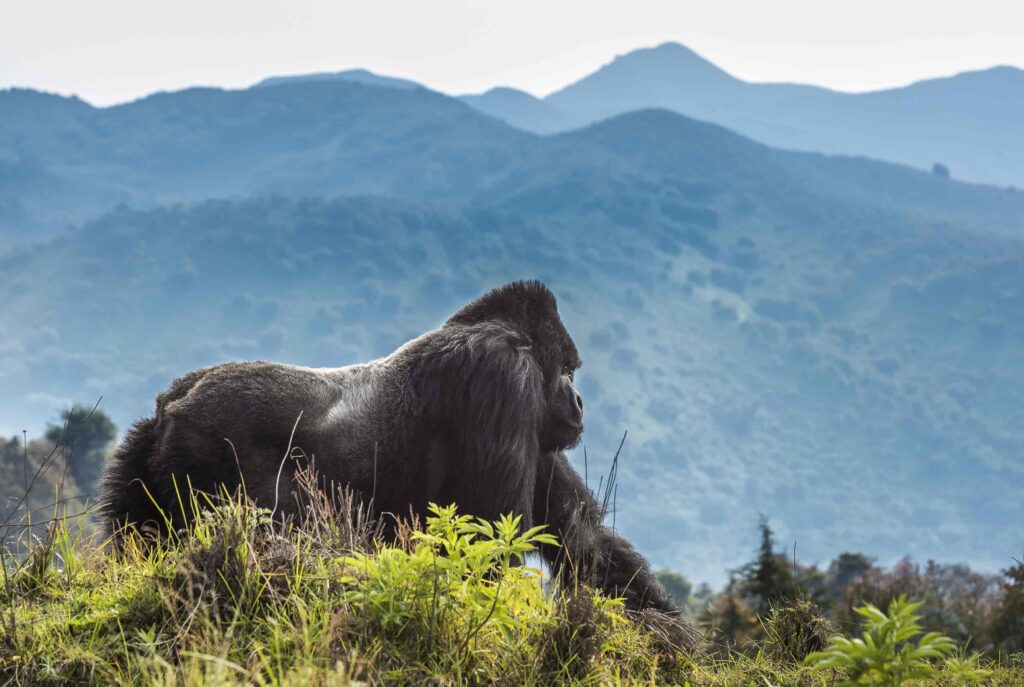
Mountain gorilla trekking in Volcanoes National Park operates every single day of the year, and you can reliably find the gorillas regardless of season. The tracking teams are in the forest before first light every morning, and the sighting success rate across the year consistently exceeds 98%. What changes with the season is not the encounter itself but the conditions of reaching it. The long dry season, June through September, delivers firm trails, excellent forest visibility, and consistently comfortable temperatures at altitude. These are the months most travelers instinctively choose, which means gorilla permits sell out six months or more in advance. Families planning a summer holiday in this window should treat permit availability as the first item on the planning agenda, not the last.
The short dry season, December through early February, is in many ways the connoisseur’s choice: the park is quieter than in peak summer, several of our partner lodges offer preferential rates, and the December light in the Virungas is exceptional. January is particularly reliable, combining post-rain freshness with dry-season trekking conditions. For the discerning traveler whose schedule has flexibility, this window offers peak-quality experiences without peak-season competition for permits.
The rainy seasons, April to May and October to November, are the periods that divide opinion among experienced Rwanda travelers. The trails are muddier, the vegetation denser, and on some days the forest closes down entirely under heavy rainfall. On other days, life and color saturate the forest so much that the word ‘lush’ feels inadequate. Fewer permits are contested, some lodges offer significant value, and the experience of being genuinely alone in a wild and dripping rainforest rather than following the footprints of the group that went before you is one that certain travelers pursue specifically. If comfort and ease are the priority, choose dry season. For those who value atmosphere and solitude more, the green season has its profound advocates.
For Golden Monkey Trekking
Golden monkeys in the bamboo zones of Volcanoes National Park are present year-round and consistently encountered, but the rainy seasons bring something additional: the flush of new bamboo shoots, which concentrates the monkeys in denser groups and more accessible locations. Photographers targeting this species specifically often find the shoulder seasons, particularly October and November, rewarding for this reason. Dry season remains the most comfortable trekking experience for most guests, and the monkeys are encountered in large, active groups throughout the year regardless of the conditions underfoot.
For the Twin Crater Lakes Excursion
The boat excursion on Lakes Burera and Ruhondo is most rewarding in the dry season and in the morning hours of the shoulder season when the lake surfaces are calm and the volcanic backdrop is clear. During heavy rain periods the lakes can develop a chop that makes the boat excursion less comfortable, and low cloud can obscure the Virunga reflections that make the experience visually memorable. This is worth factoring into planning if the lakes component of the itinerary is a priority for your group.