What Is Included
Every element that matters is arranged in advance, confirmed, and waiting for you. When we say private, we mean private throughout: no shared vehicles, no communal briefings, and no strangers at your dinner table unless you invite them. The following are included as standard in this safari package.
- Return private airport transfers (Kigali International Airport to Volcanoes National Park)
- 2 nights’ accommodation at a luxury lodge in the Kinigi/Volcanoes area (full board: breakfast, lunch, dinner)
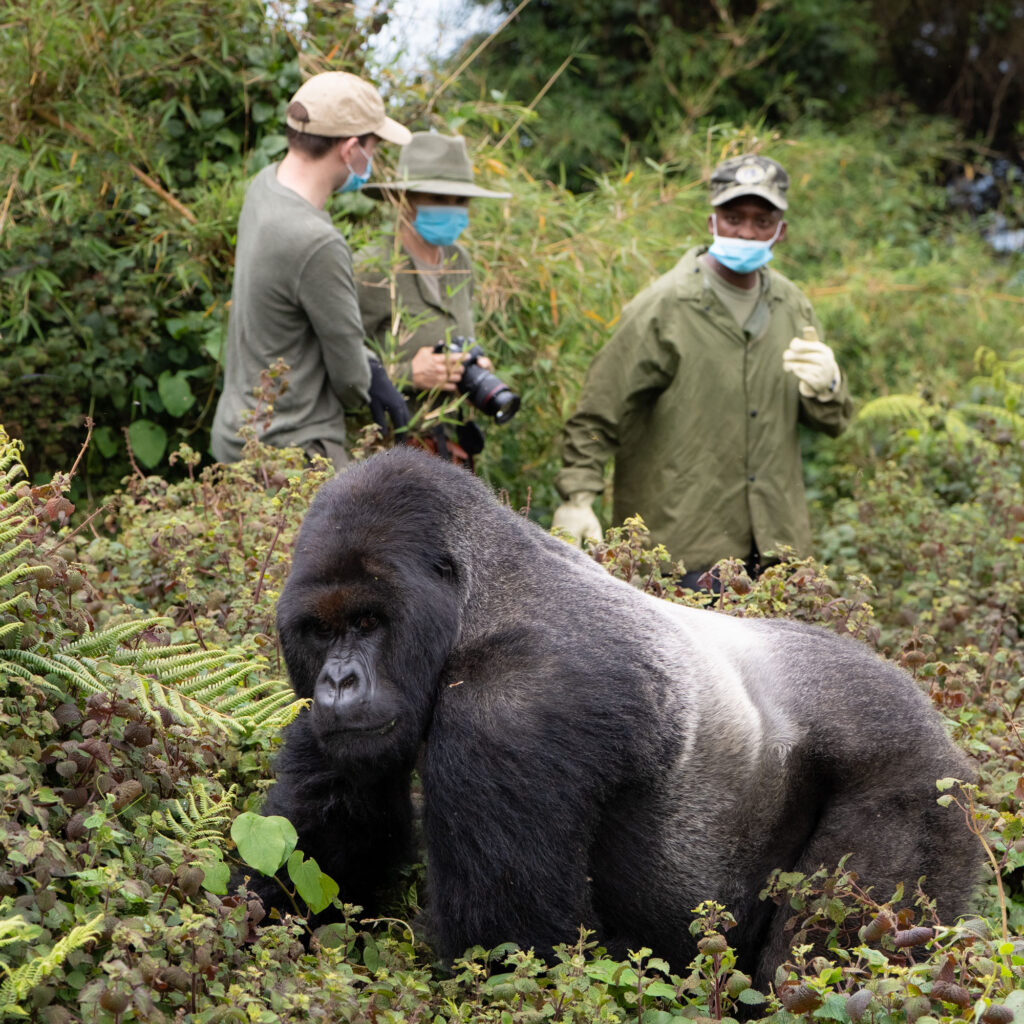
- Official Rwanda gorilla trekking permit: USD 1,500 per person, secured and confirmed before your arrival
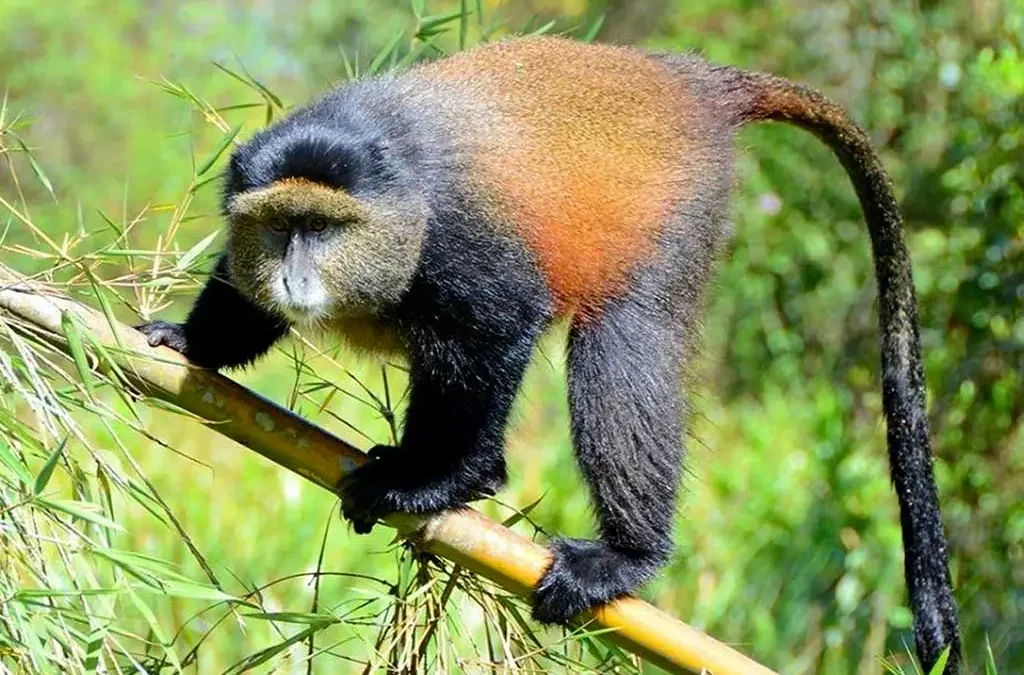
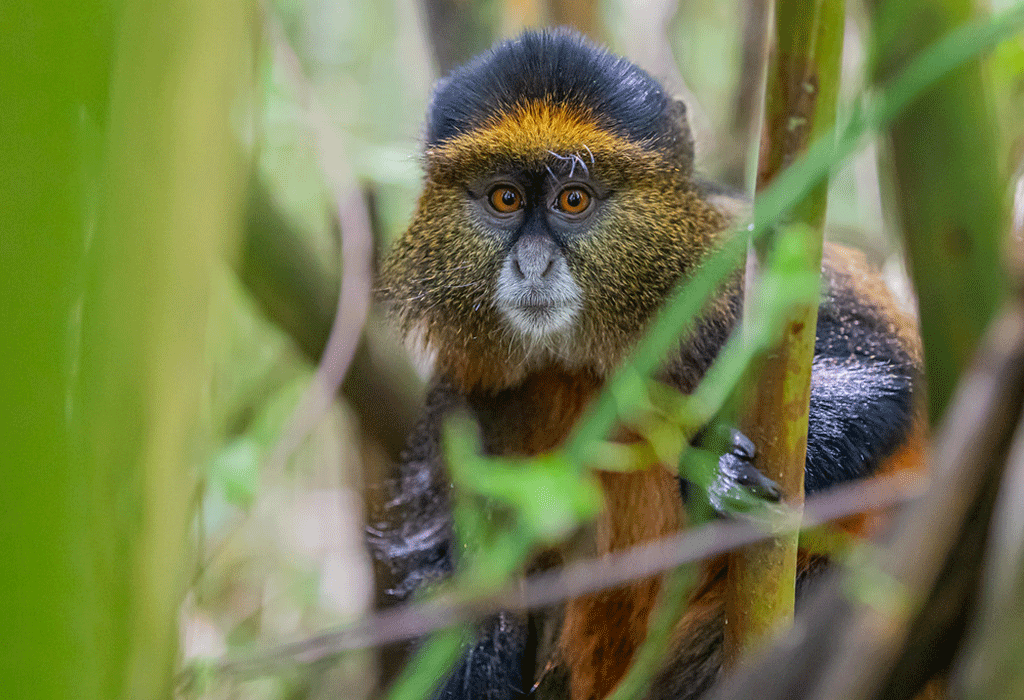
- Official golden monkey trekking permit: USD 100 per person
- All park entrance and conservation fees
- Professional English-speaking private guide throughout the safari
- Experienced ranger team and porters on both trekking days
- All ground transport in a private, air-conditioned 4×4 safari vehicle
- Bottled mineral water throughout
- Pre-departure trip documentation and detailed trek briefing pack
- Emergency support and 24/7 in-country assistance from Rwanda Gorilla Expeditions
What Is Not Included
The following items fall outside the base package and are typically arranged and settled individually. Your client liaison will advise you on current costs and can pre-arrange anything you prefer to have handled before you arrive.
- International flights to and from Kigali
- Rwanda travel visa (available on arrival or via online e-visa portal)
- Personal travel insurance with comprehensive coverage, including emergency medical evacuation, is strongly recommended.
- Optional activities: Dian Fossey grave hike permit, cultural village visits, canopy walk at Nyungwe (if extending)
- Gratuities for guides, rangers, and lodge staff (customary and warmly appreciated)
- Personal items, laundry, and minibar charges at the lodge
- Any meals or beverages outside of the full-board lodge package
Best Time to Travel

For Gorilla Trekking
Gorilla trekking in Volcanoes National Park operates every day of the year, and the gorillas are reliably encountered regardless of the season. Their ranging patterns are consistent, and their tracking teams are in the forest before first light every morning. That said, the experience of getting to them changes significantly with the season. The long dry season, running from June through September, offers the firmest trails, the clearest forest-floor visibility, and the most comfortable hiking temperatures. This is also Rwanda’s peak safari season, which means gorilla permits sell out many months in advance. Families and groups traveling in June, July, or August should plan to secure permits at least four to six months ahead.
The short dry season, December through February is a close second favorite among experienced Rwanda travelers. The park is less crowded than in high summer, the lodge rates are occasionally softer, and the forest still offers the kind of clean, dry trekking that makes the whole experience more physically accessible. January in particular can be exceptional: the vegetation is lush from the October rains, but the downpours themselves have cleared, and the light in the early mornings is extraordinary.
The two rainy seasons, April to May and October to November, bring heavier rainfall, muddier trails, and the genuine possibility of spending several hours completely soaked. They also bring a forest so saturated with color and life that several of our most dedicated repeat visitors now deliberately time their return treks to coincide with the green season. Permits are easier to obtain, lodges sometimes offer preferential rates, and the feeling of being genuinely alone in a wild rainforest rather than following a well-worn track becomes much more tangible.
For Golden Monkey Trekking
Golden monkeys inhabit the bamboo zones of the lower volcanic slopes and are encountered year-round, but the rainy seasons can make access to their preferred bamboo groves particularly rich, as the new bamboo shoots attract larger groups, concentrating the monkeys in more accessible areas. Dry season still offers the easiest trekking conditions, but for photographers and wildlife enthusiasts specifically interested in primate behavior, the shoulder seasons can offer unusually intimate encounters.