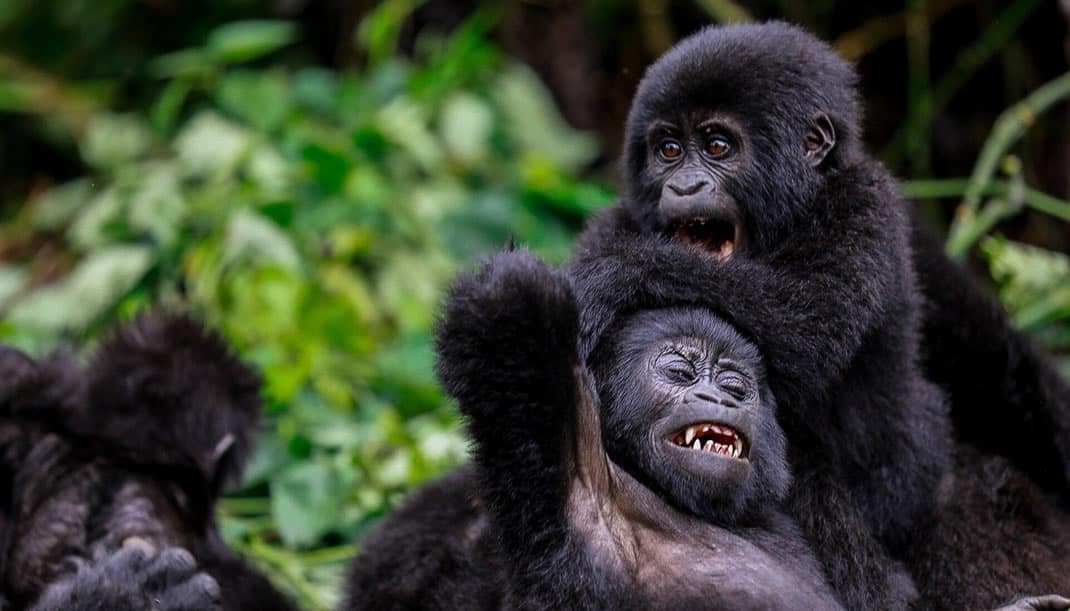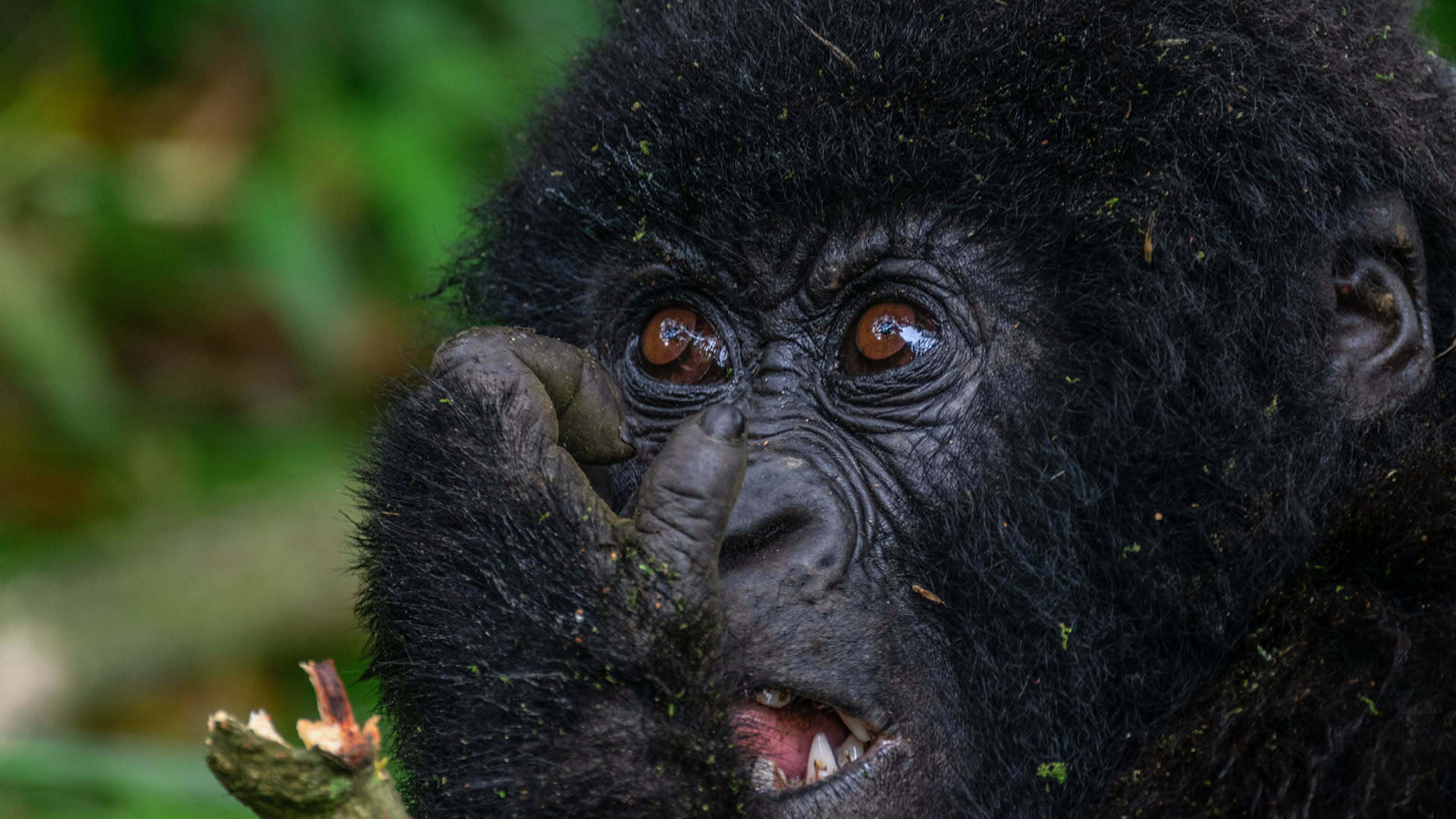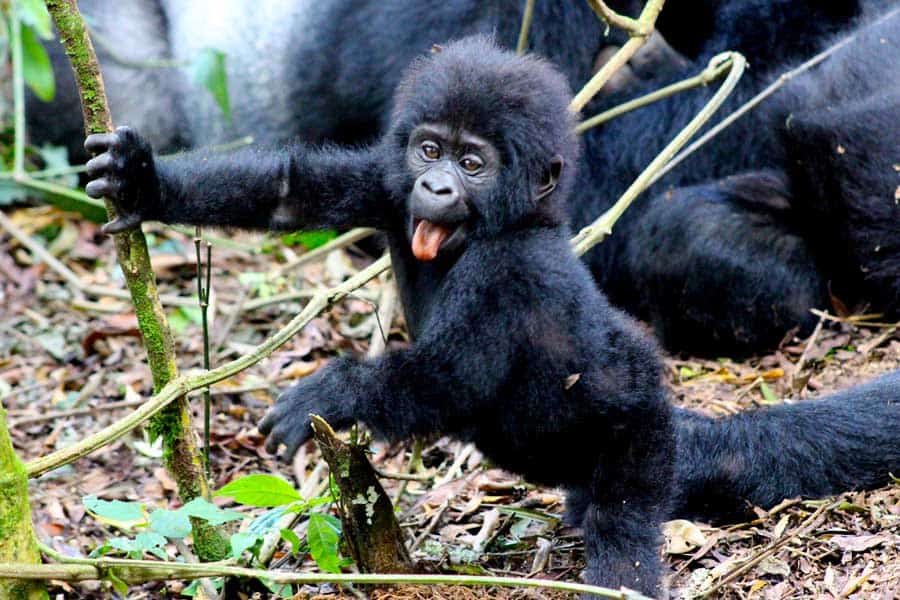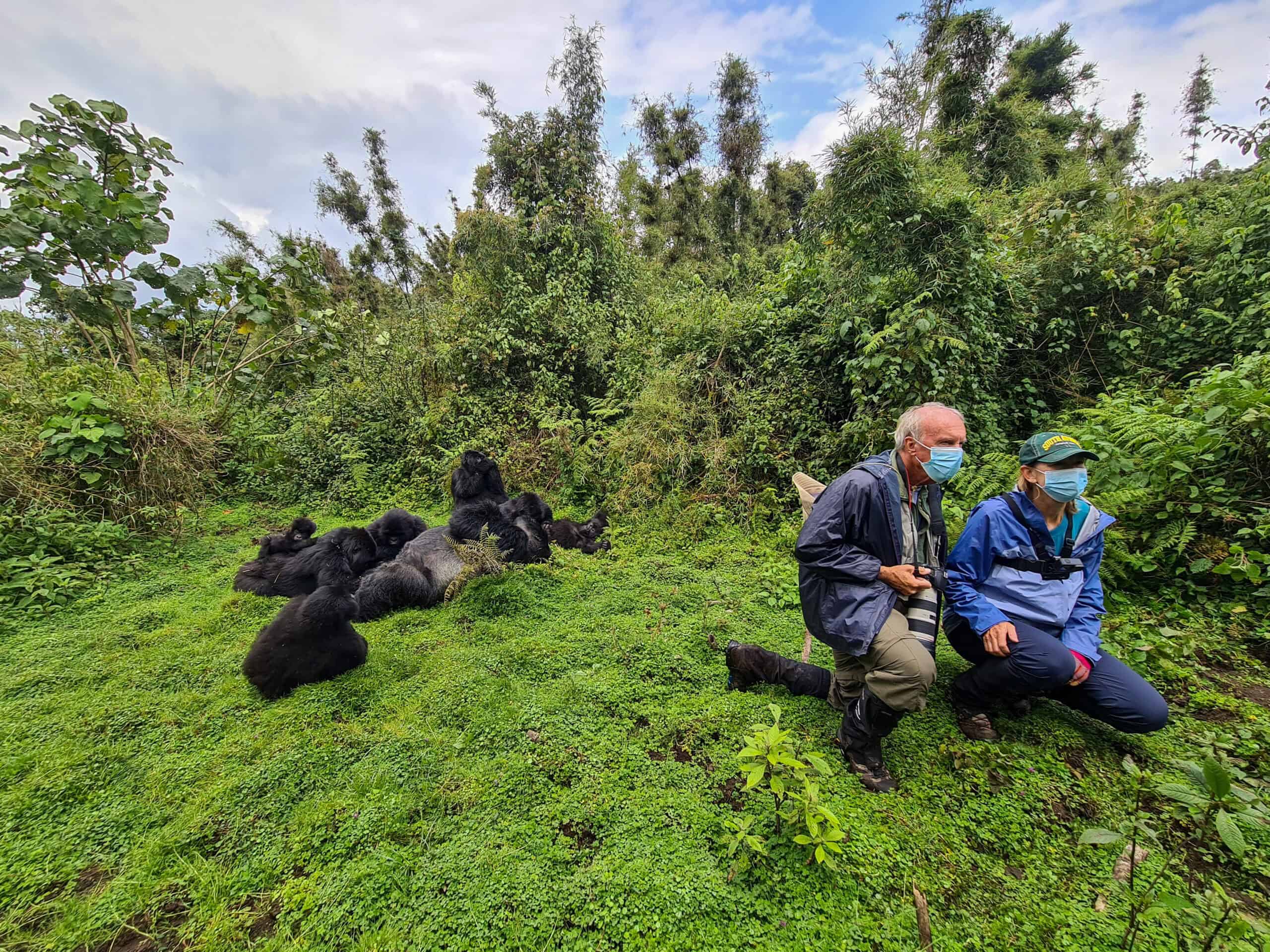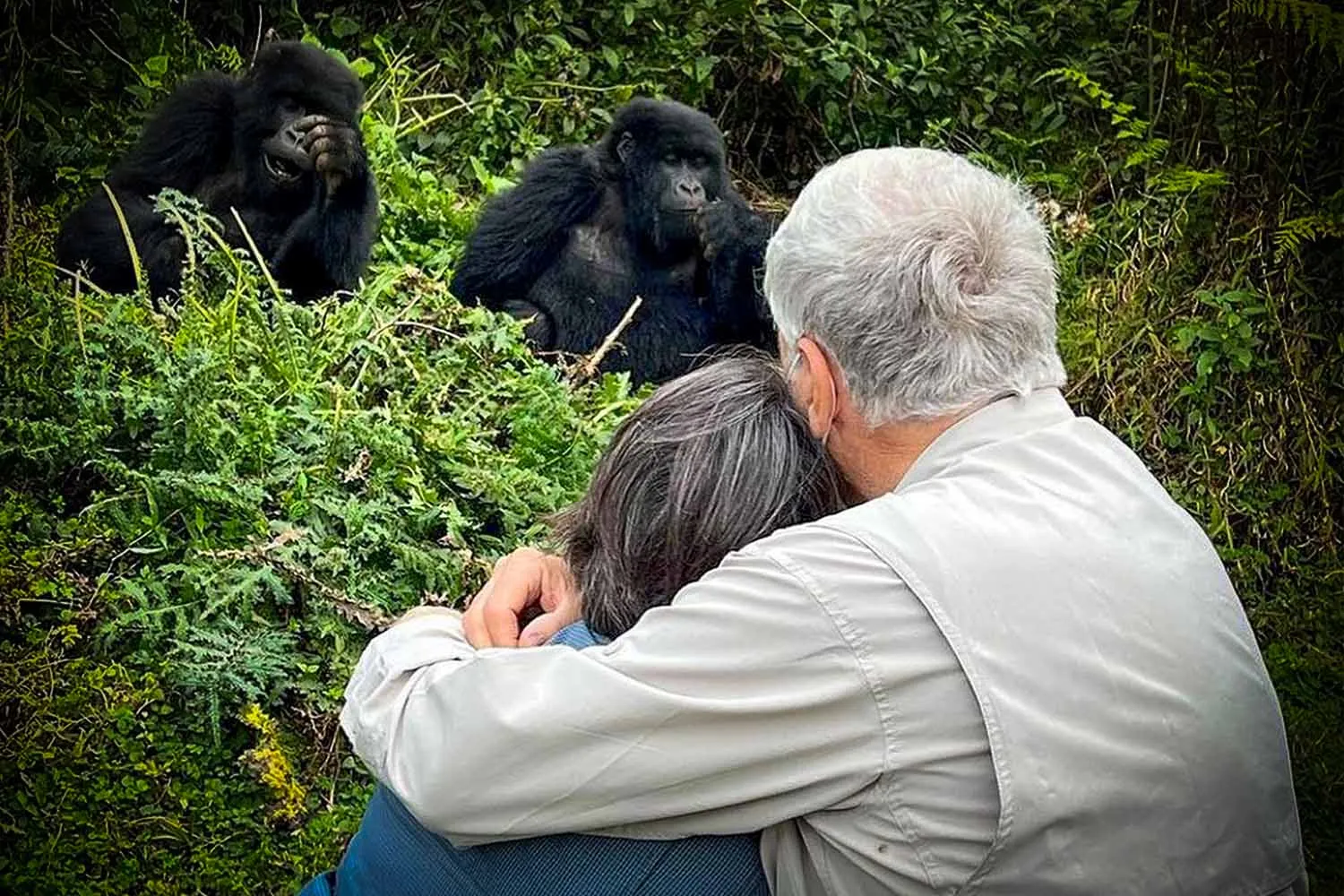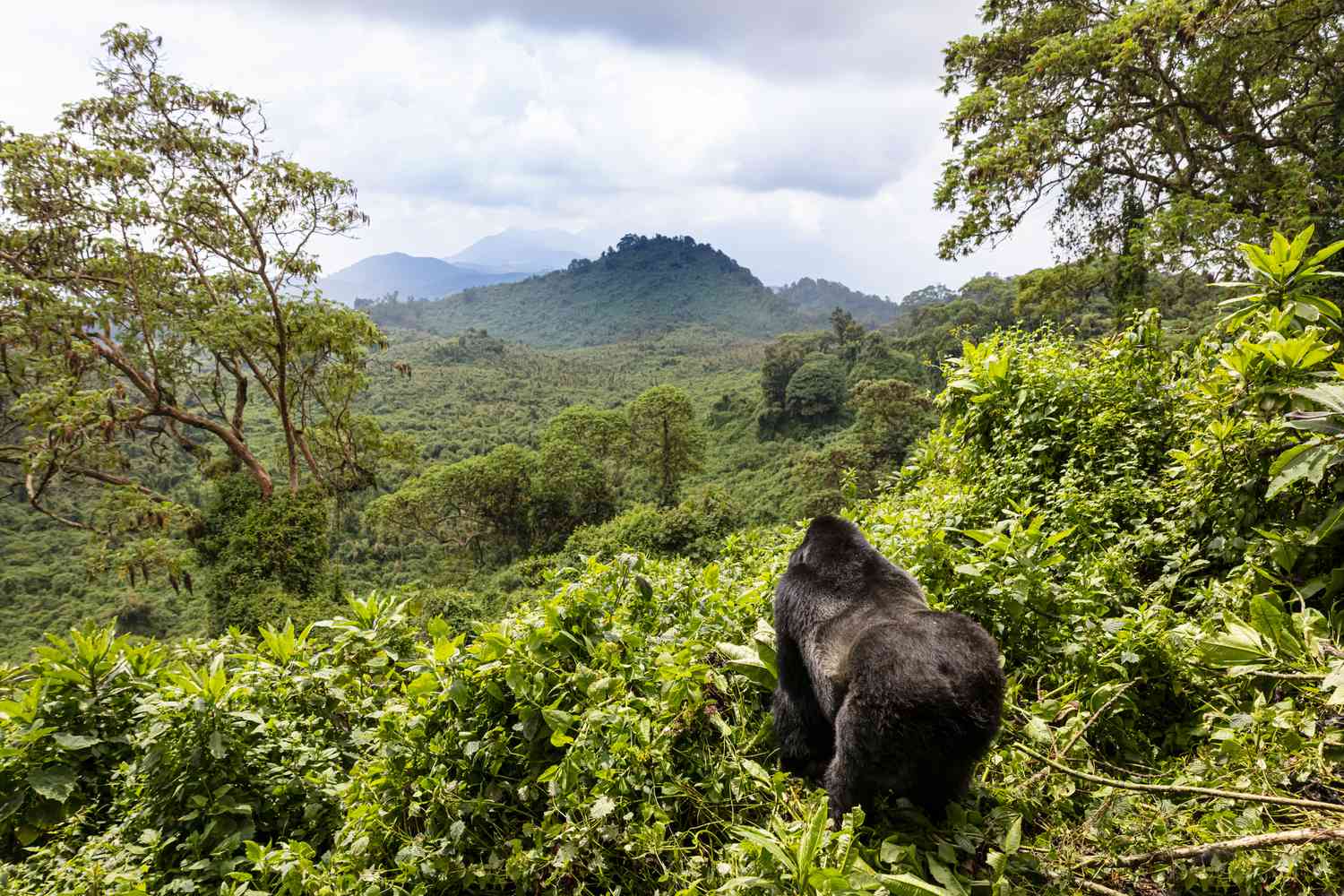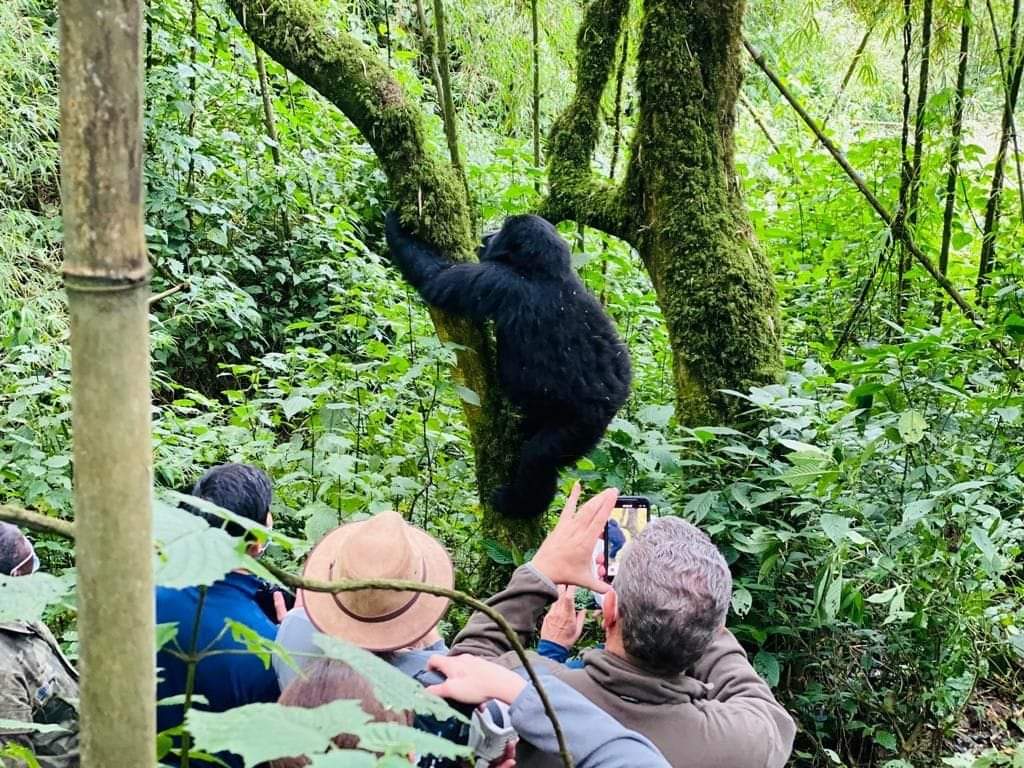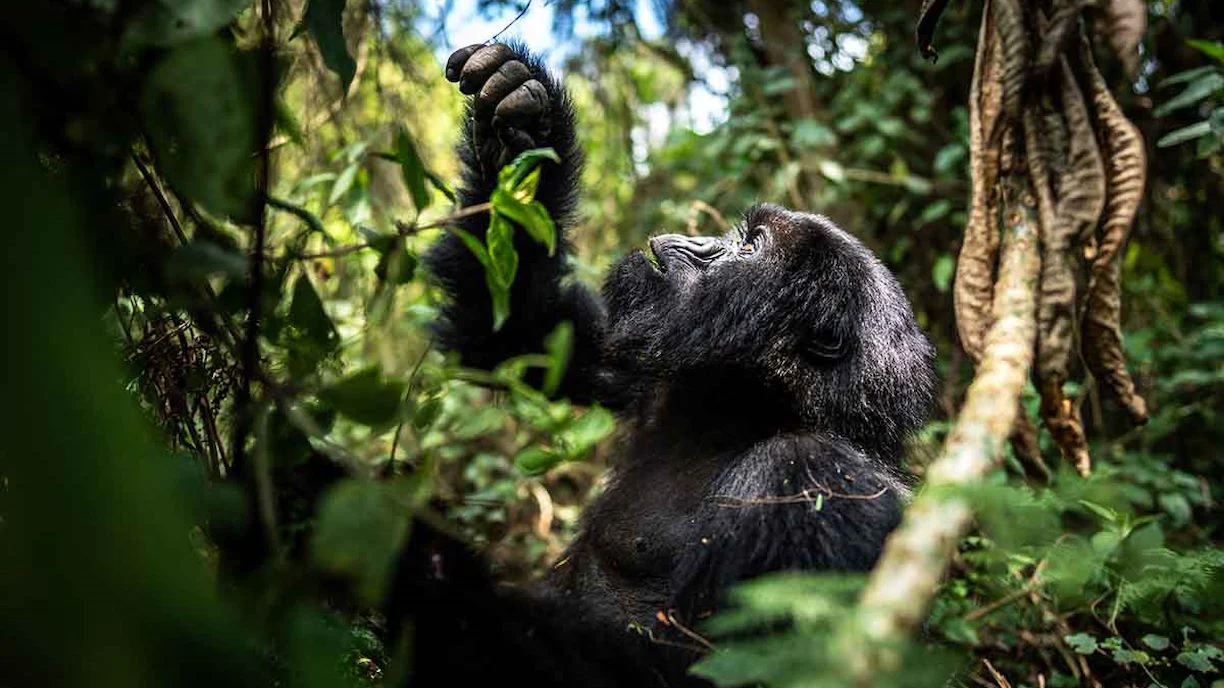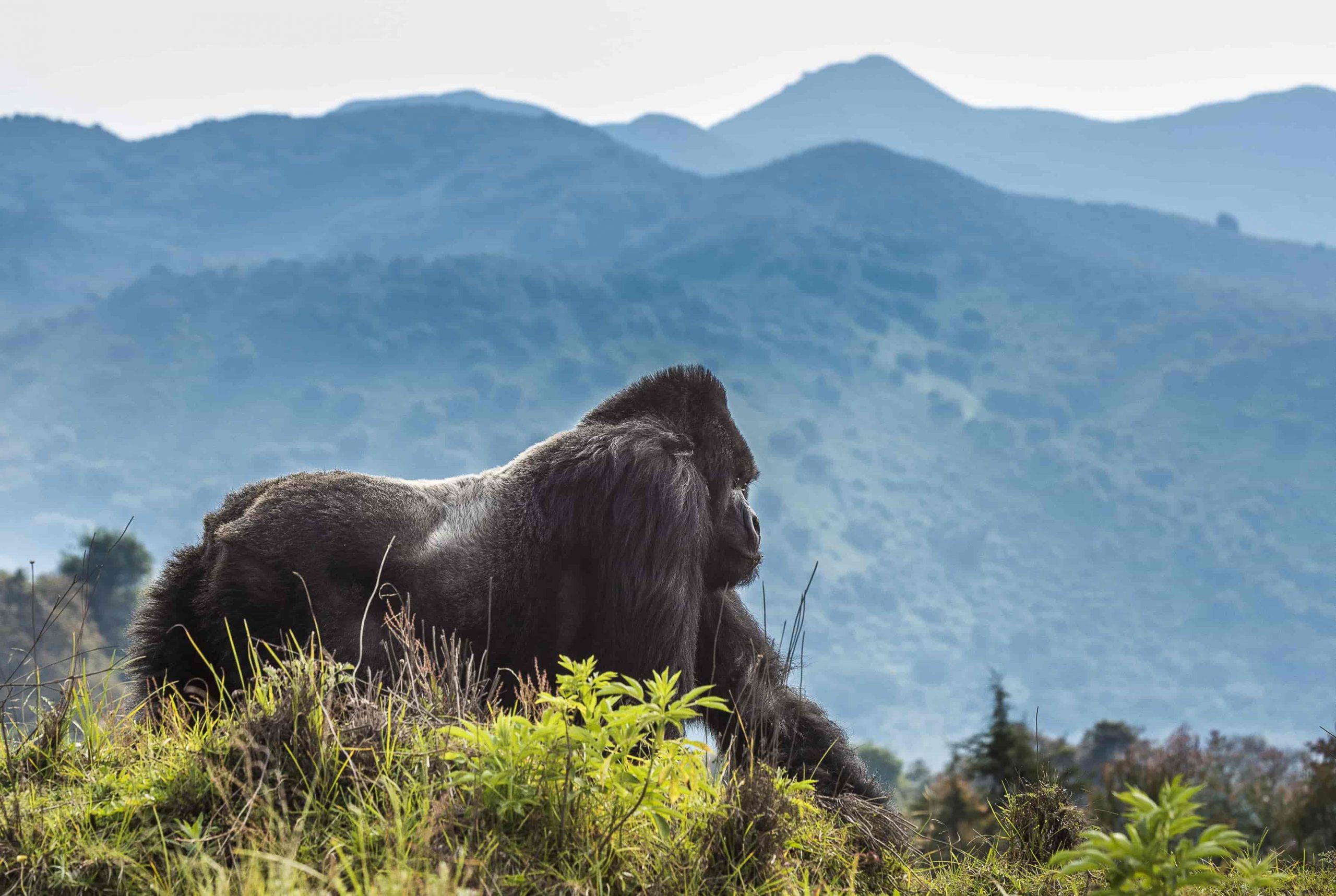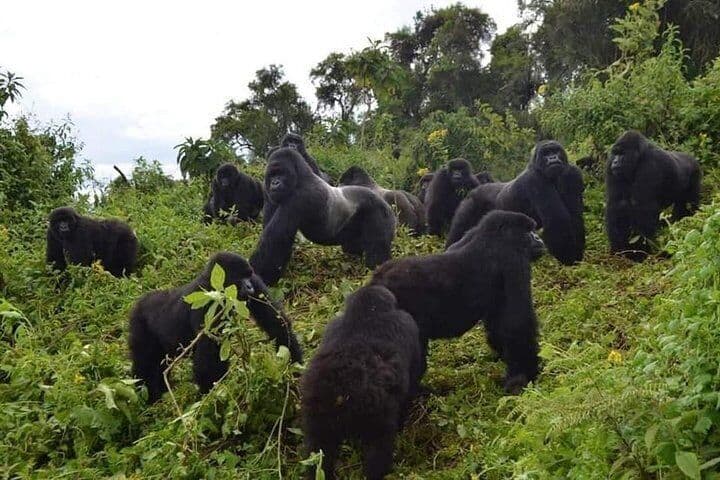
Rwanda and Uganda are home to the endangered mountain gorilla, offering one of the most powerful wildlife experiences on Earth. Together, these two countries protect over half of the world’s remaining mountain gorilla population within the Virunga Massif and the Bwindi Impenetrable Forest.
Although the core experience of trekking through dense forest to observe a habituated gorilla family is similar in both countries, the overall travel experience differs significantly in cost, terrain, accessibility, and tourism philosophy.
Rwanda and Uganda are two of Africa’s premier destinations for mountain gorilla trekking, a wildlife experience that many travelers consider a must-do. Both countries share a home to these majestic creatures with conditions that favor the survival of the mountain gorillas. With more than half of the world’s remaining gorillas, Rwanda and Uganda share the Virunga Massifs, where Volcanoes National Park and Mgahinga Gorilla National Park are located. While the experience may be similar, observing these habituated gorillas in their natural habitats in each country offers a unique combination of accessibility, cultural context, affordability, and conservation philosophy.
Rwanda’s gorilla trekking has become globally renowned for its high-end, well-regulated tourism model. The country has invested heavily in park infrastructure, security, ranger training, and permit systems that emphasize sustainability and protect gorilla families. Rwanda generally markets itself as a premium wildlife destination, attracting travelers who prioritize organization, comfort, and predictability. The experience here integrates easily with other Rwanda attractions such as the Kigali Genocide Memorials and cultural village tours around Volcanoes National Park.
Uganda, by contrast, offers a more adventurous and ecocentric trekking experience. Although infrastructure has improved significantly over the years, trekking routes are often wilder and less predictable, which appeals to travelers seeking a deeper wilderness experience. Uganda also boasts Mghahinga Gorilla National Park and the larger Bwindi Impenetrable National Park, which together contribute to a substantial portion of mountain gorilla habitat. Bwindi’s forest is older, denser, and arguably more biodiverse, delivering an exceptionally rich forest trekking experience.
The emotional and conservation significance of gorilla trekking in both countries remains profound. Revenues from tourism contribute directly to local communities, anti-poaching efforts, and research programs. Both Rwanda and Uganda have seen consistent increases in gorilla numbers over the past decades, a major conservation success story. Ultimately, choosing between Rwanda and Uganda often comes down to travel priorities. Rwanda offers a streamlined and luxurious experience, while Uganda offers a rugged adventure and a deeper immersion in the forest.
Understanding these differences is essential before choosing your gorilla trekking destination