Discover everything about gorilla trekking in Rwanda: permits, cost, best time to visit, difficulty level, rules, Volcanoes National Park, and conservation impact. A complete expert guide for planning the ultimate Rwanda gorilla safari.
Gorilla Trekking in Rwanda. All You Need to Know.
Gorilla trekking in Rwanda is one of Africa’s most remarkable wildlife experiences and a leading example of successful conservation-based tourism. The activity allows visitors to track and observe endangered mountain gorillas in their natural habitat, offering a rare opportunity to connect with one of humanity’s closest relatives. Rwanda is globally recognized for its well-organized gorilla trekking operations, strict conservation policies, and high-quality visitor experience. Unlike mass tourism destinations, gorilla trekking is carefully controlled to minimize human impact while maximizing conservation benefits and community involvement.
Rwanda’s approach to gorilla trekking focuses on sustainability, conservation, and environmental protection. Only a limited number of gorilla trekking permits are issued each day, ensuring the gorillas are not disturbed by a lot of human interaction and their health is safeguarded. Visitors are accompanied by experienced guides and trackers who understand the gorilla behavior and forest ecology. The experience typically involves hiking through dense rainforest terrain before spending a strictly regulated one hour with a habituated gorilla family.
Beyond wildlife viewing, gorilla trekking plays a crucial role in Rwanda’s economic development and conservation success. Revenue generated from the trekking permits directly funds park management, ranger salaries, veterinary care, and community projects such as schools, healthcare facilities, and infrastructure development. This model has helped Rwanda achieve one of the most successful mountain gorilla population recoveries in the world.
Gorilla trekking in Rwanda is not just a safari activity; it is a meaningful conservation journey. The visitors leave with a deeper understanding of the biodiversity protection, responsible tourism, and the importance of preserving the endangered species for future generations.
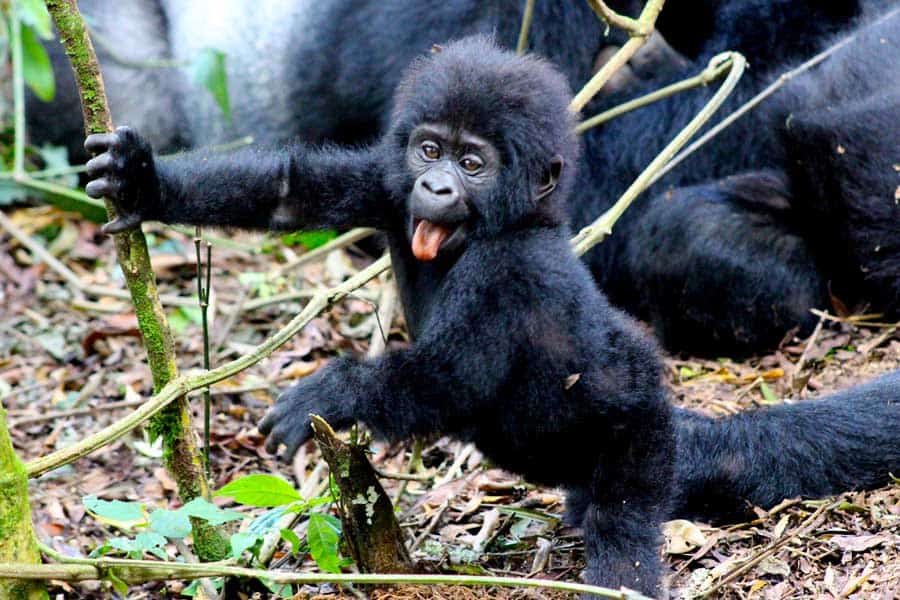
Rwanda Fly-In Gorilla & Chimpanzee Expedition
Experience Rwanda’s ultimate primate safari with a luxury fly-in gorilla and chimpanzee expedition. Helicopter transfers, Volcanoes National Park, Nyungwe Forest, elite lodges, and expert-guided trekking in one seamless journey.
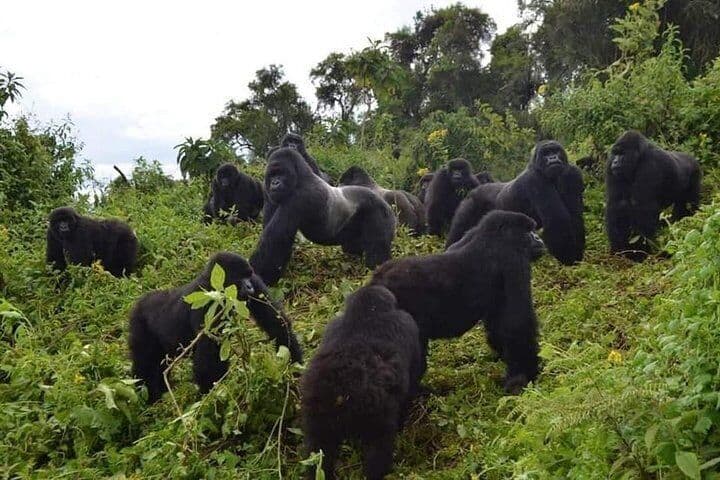
8-Day Ultimate Rwanda Safari
Explore Rwanda’s top wildlife destinations on this unforgettable 8-day safari: track mountain gorillas in Volcanoes National Park, trek chimpanzees in Nyungwe Forest, and enjoy game drives and boat cruises in Akagera, plus cultural highlights in Kigali and scenic Lake Kivu.
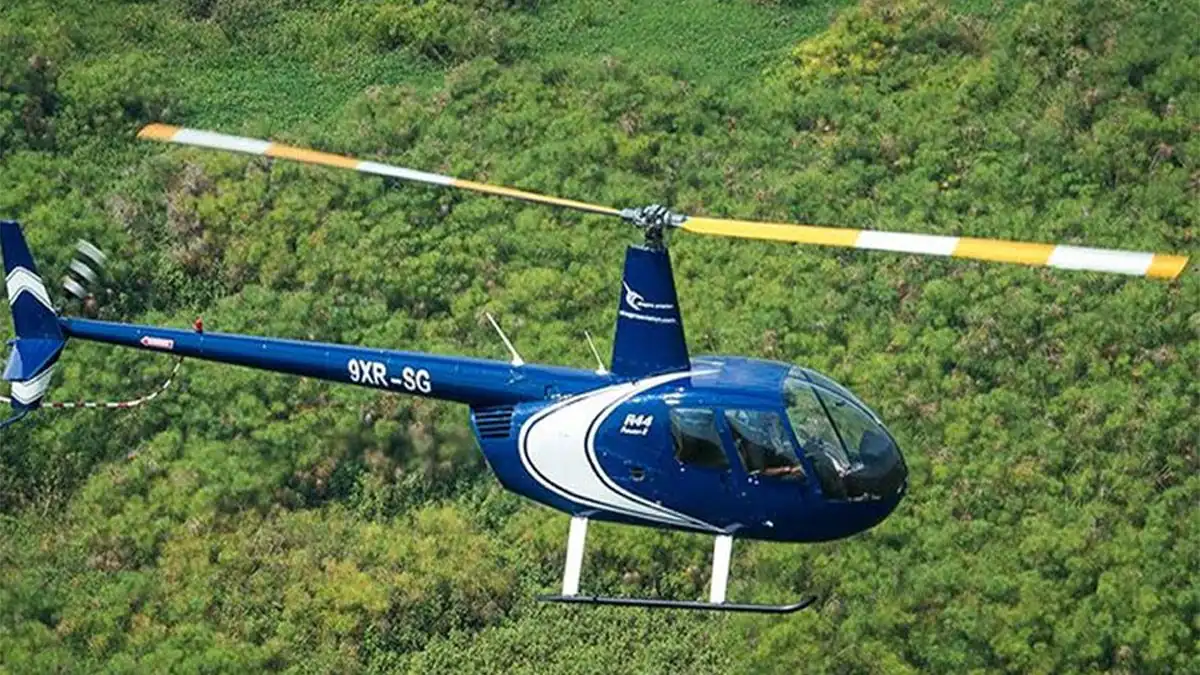
Luxury Fly-In Gorilla Trekking in Rwanda
Experience Rwanda’s most exclusive gorilla trekking adventure includes private helicopter transfers, luxury accommodation at One&Only Gorilla’s Nest, and a guided mountain gorilla trek in Volcanoes National Park. A premium, seamless 3-day wildlife safari.
Where to Go Gorilla Trekking in Rwanda
Gorilla trekking in Rwanda takes place exclusively in Volcanoes National Park, located in the northwestern part of the country near the borders with Uganda and the Democratic Republic of Congo. The park forms part of the greater Virunga Conservation Area, a chain of volcanic mountains that provide the natural habitat for the endangered mountain gorillas. Volcanoes National Park is Rwanda’s most famous national park and the heart of its primate tourism industry.
Covering approximately 160 square kilometers, the park is characterized by lush bamboo forests, dense montane rainforest, open grasslands, and volcanic slopes. It is a home to several habituated gorilla families that are monitored daily by park rangers and researchers. These families are accustomed to the presence of humans, allowing for safe and controlled observation during the trekking activities.
Volcanoes National Park is easily accessible from Kigali, Rwanda’s capital city. The drive takes approximately two and a half to three hours, making Rwanda one of the most convenient destinations in Africa for gorilla trekking. This accessibility allows travelers to experience gorilla trekking even on short itineraries.
In addition to gorilla trekking, the park hosts other wildlife species, including golden monkeys, forest elephants, buffalos, and numerous bird species. The region is also culturally significant, with nearby communities offering cultural experiences such as traditional performances and historical storytelling.
The park’s infrastructure is well-developed with ranger stations, briefing centers, and a range of accommodation options from luxury lodges to midrange and budget options. This combination of accessibility, biodiversity, and professional management makes Volcanoes National Park one of the best and safest places in the world to go gorilla trekking.
What is the best time for gorilla trekking in Rwanda?
Gorilla trekking in Rwanda is possible throughout the year, but certain seasons offer more favorable conditions. The best time to go gorilla trekking is during the dry season, which occurs from June to September and December to March. During these months, rainfall is lower, making forest trails less muddy and hiking conditions more comfortable. Clear weather also improves photography and overall trekking enjoyment.
The dry seasons are considered peak travel periods, meaning permits and accommodation should be booked well in advance. Demand is always high due to the pleasant and very favorable weather and ease of trekking. Seasons do not affect gorilla sightings, as gorilla movement remains consistent year-round. The drier months generally offer easier trekking experiences.
The wet seasons, which start from April to May and October to November, bring heavier rainfall and more challenging trail conditions. However, these months also have advantages. The forest is lush and green, offering stunning views for photographers and videographers; there are fewer tourists, meaning they get a more exclusive experience. Some lodges at times have discounted rates, making the season attractive for budget-conscious travelers, as it allows them to save some dollars.
It is important to note that gorilla trekking is highly regulated and takes place daily regardless of the season. Rangers track gorilla movements every day, ensuring high success rates for sightings. Rwanda’s stable climate and well-maintained park systems allow trekking to operate year-round.
Ultimately the best time to trek the mountain gorillas depends on personal preference. Travelers seeking comfort and ease may prefer the dry season, while those looking for quieter trails and greener landscapes may enjoy the wet season.
Rules and Regulations of Gorilla trekking in Rwanda
Gorilla trekking in Rwanda is governed by strict rules and regulations designed to protect the gorillas and ensure visitors’ safety. The Rwanda Development Board and park authorities enforce these guidelines without exception.
Visitors must be at least 15 years old to participate in gorilla trekking. Each trekking group is limited to a maximum of eight people per gorilla family per day, reducing the stress on the animals. Before entering the park, all trekkers attend a mandatory briefing where rules, safety procedures, and trekking expectations are explained.
Trekkers are allowed to spend only one hour with the gorillas once located. This limit reduces the risk of disease transmission and behavioral disturbance. A minimum distance of seven meters must be maintained at all times, although gorillas may sometimes approach visitors on their own.
Photography is permitted, but flash photography is strictly prohibited. Visitors must remain calm, speak quietly, and avoid sudden movements. Eating, drinking, or smoking near the gorillas is not allowed. Anyone showing signs of illness, such as the flu or coughing, may be denied access to protect the gorillas from human-borne disease.
Following these regulations ensures a safe, ethical, and respectful encounter. Rwanda’s strict enforcement of trekking rules has played a major role in the long-term survival and stability of the mountain gorilla population.
Difficulty level of Gorilla Trekking in Rwanda
Gorilla trekking in Rwanda is considered moderately challenging, but the level of difficulty varies depending on the location of the gorilla family being tracked. Treks can last anywhere from one to eight hours, including ascent and descent, while others range higher on volcanic slopes.
The terrain often includes muddy trails, dense vegetation, uneven ground, and steep inclines. While no technical climbing skills are required, a reasonable level of physical fitness is recommended. Porters are available at an additional cost and highly encouraged, as they assist with carrying bags and provide support on difficult sections of the trail.
Rwanda’s trekking system allows visitors to be assigned gorilla families based on fitness level and preference, when possible. Old travelers or those with limited mobility may be assigned closer groups to ensure a comfortable experience.
Despite the physical demands, most travelers successfully complete the trek with the determination and guidance of experienced rangers. The emotional reward of encountering mountain gorillas in the wild far outweighs the physical effort involved.
What is the cost of Gorilla Trekking in Rwanda.
The cost of gorilla trekking is primarily determined by the gorilla trekking permit, which currently is USD 1,500 per person. This fee includes park entry, ranger guides, security, contributions, and one hour with a habituated gorilla family.
While the cost of permits is higher than in the neighboring countries, Rwanda positions itself as a premium, high-value destination. The pricing supports conservation efforts, community development, and sustainable tourism practices. A portion of the permit fee directly funds the gorilla protection programs and local community projects.
Additional costs include accommodation, transport, porter fees, tips, and optional cultural activities. Despite the cost, Rwanda’s high success rate, professional organizations, and ethical standards make the experience highly valued by travelers worldwide.
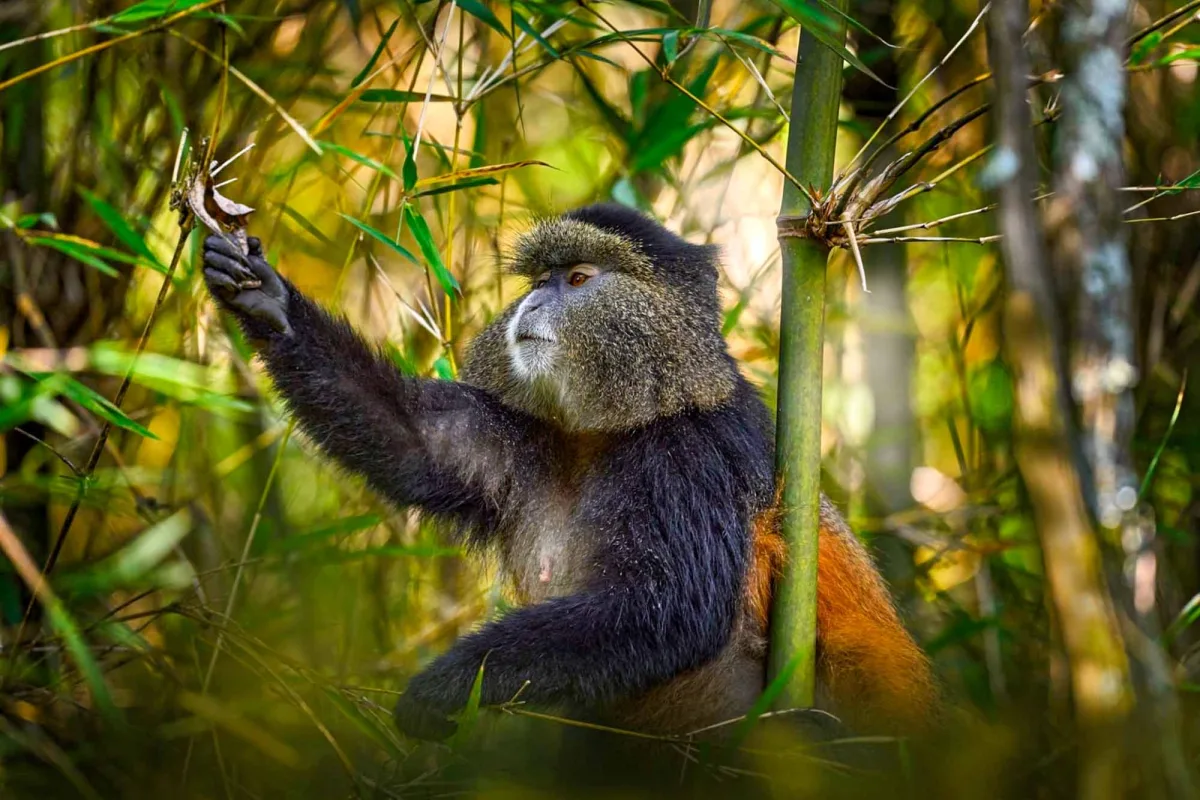
Gorilla Trekking & Golden Monkey Discovery Safari
Embark on a transformative 5-day gorilla trekking & golden monkey discovery safari through Rwanda’s Volcanoes National Park, one of Africa’s most iconic wildlife experiences. Starting with a private welcome in Kigali, this journey combines up-close encounters with endangered mountain gorillas and playful golden monkeys in their lush montane rainforest habitat.
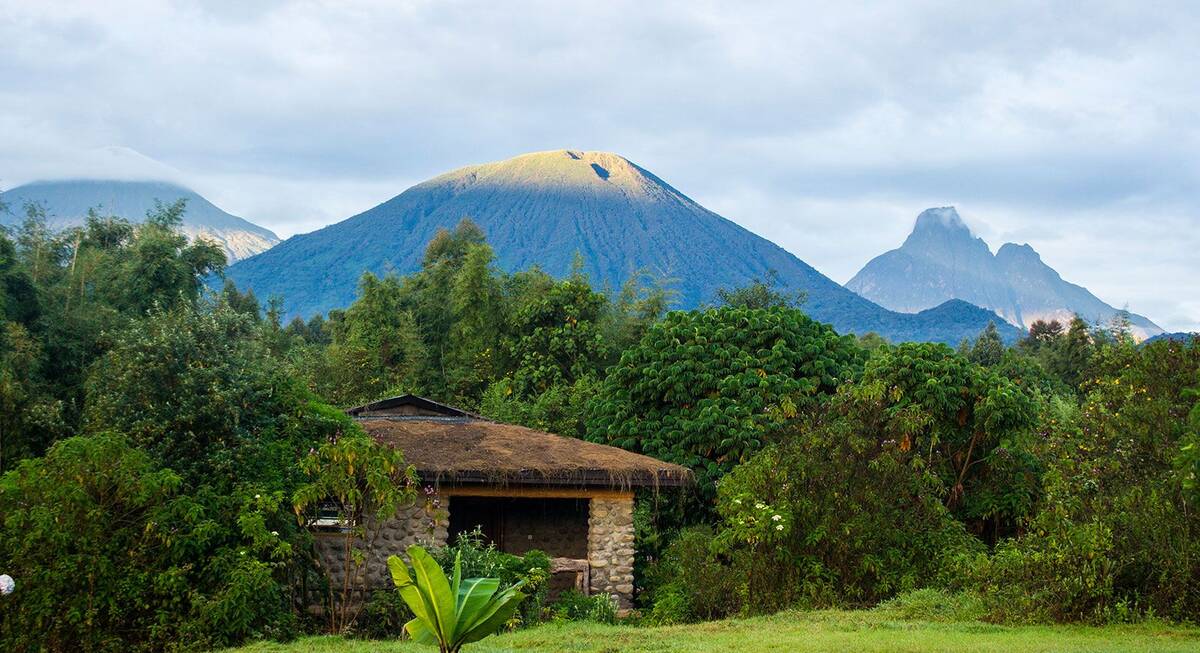
Best of Rwanda’s National Parks Safari
Experience the ultimate Rwanda wildlife journey on this immersive 10-day Best of Rwanda’s National Parks safari, showcasing the country’s most spectacular ecosystems and iconic wildlife. Begin with the modern vibrancy of Kigali, then head to Akagera National Park for classic savannah game drives and the chance to see the Big Five in rolling grasslands and shimmering lakes.
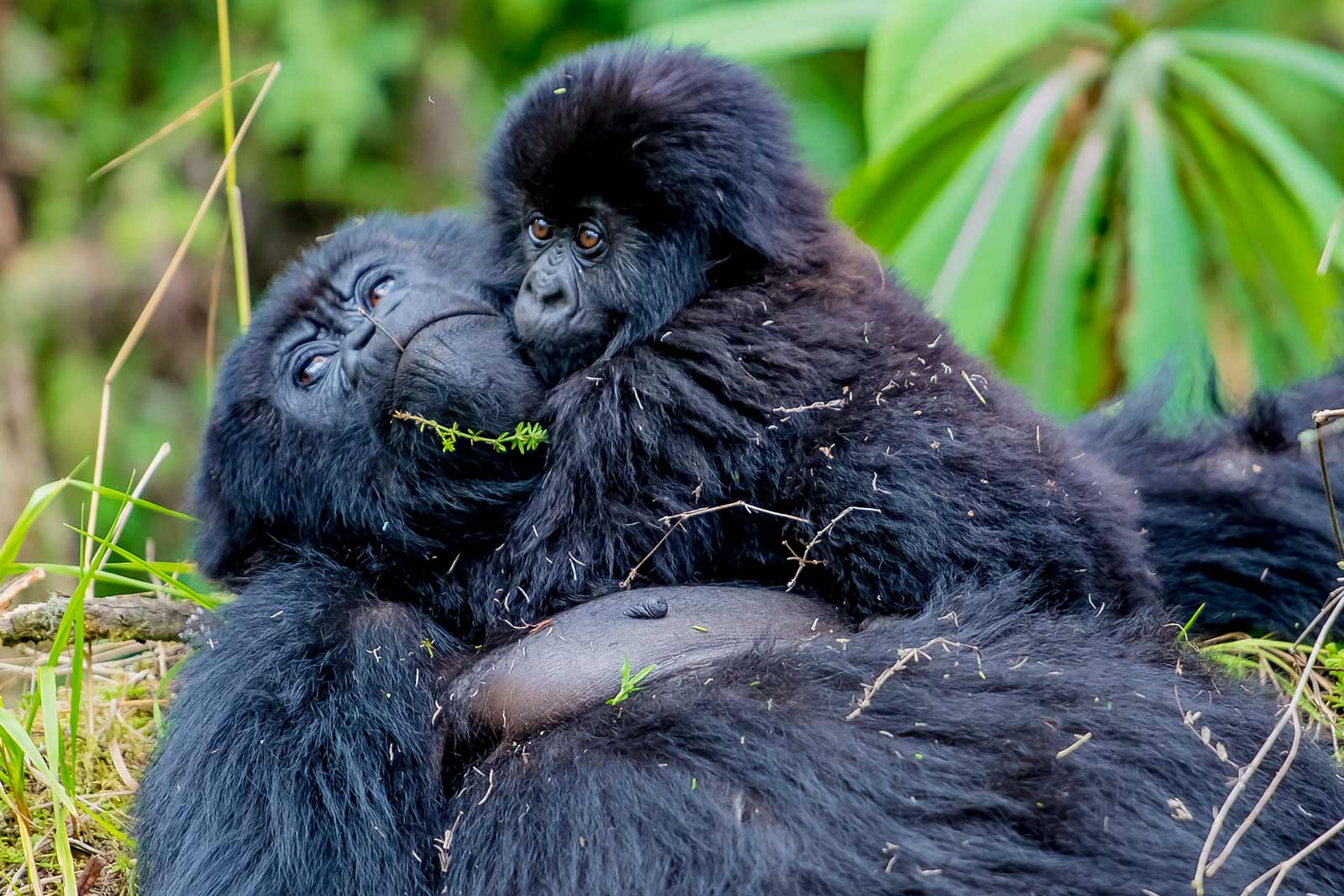
Luxury Rwandan Primate Safari
Discover Rwanda’s top primates through luxurious chimpanzee trekking in Nyungwe, rare golden monkeys, and endangered mountain gorillas. Embark on the Luxury Rwandan Primate Adventure, an 8-day bespoke safari through Rwanda’s richest wildlife landscapes.
Mountain Gorilla Conservation and Its Key Role in Rwanda.
Gorilla trekking is a cornerstone of Rwanda’s conservation success story. Revenue generated from tourism has contributed significantly to the increase in mountain gorilla population over the past decades. Funds support anti-poaching patrols, veterinary interventions, habitat protection, and community education programs.
Local communities benefit directly from tourism revenue through employment, infrastructure development, and profit-sharing initiatives. This creates a strong incentive for conservation and fosters coexistence between people and wildlife.
Rwanda’s conservation model demonstrates that responsible tourism can protect endangered species while supporting natural development. Gorilla trekking is not only a travel experience but also a powerful tool for supporting wildlife conservation awareness.
What to Expect on a Gorilla Trekking Day in Rwanda.
A typical gorilla trekking day in Rwanda begins early in the morning at Volcanoes National Park headquarters in Kinigi, where visitors gather for a briefing around 7:00–8:00 a.m. During the briefing, park rangers assign trekking groups to specific gorilla families based on the fitness levels and locations of the gorillas that day. Each group consists of a maximum of eight visitors accompanied by experienced guides, trackers, and armed rangers.
After the briefing, visitors drive to the trailhead and begin their trek through farmland, bamboo forests, and dense montane rainforest. Trek duration varies depending on where the gorillas nested the previous night and how far they have moved, but sightings are almost guaranteed due to daily tracking by ranger teams.
Visitors can spend exactly one hour observing the gorillas at close range once they locate them. This time often feels remarkably short, as travelers watch gorillas feeding, grooming, resting, playing, and interacting within their family groups. After the encounter, trekkers return to the park boundary and continue their journey to nearby lodges or onward destinations.
Gorilla Trekking Permits in Rwanda: Availability and Booking.
Rwanda issues only 96 gorilla trekking permits per day, reflecting its strict conservation-first approach. These permits allow access to one habituated gorilla family per group and are required for anyone wishing to participate in trekking activities.
Permits must be booked in advance through the Rwanda Development Board or licensed tour operators. During peak seasons (June to September and December to February), permits often sell out weeks or even months ahead of time, making early planning essential. Last-minute availability is rare, especially for travelers with fixed travel dates.
Permits are non-transferable and tied to specific dates. Changes or cancellations are subject to government policies, and refunds are typically limited unless travel is disrupted by official park closures or medical reasons.
Rwanda Gorilla Trekking Tours
Rwanda gorilla trekking safaris offer efficient, impactful expeditions (1–10 days) to Volcanoes National Park, featuring mountain gorilla trekking, cultural visits, Kigali city tours, and other national parks; Volcanoes National Park is just a short drive from the airport, so it’s always the starting point.
Accommodation Options Around Volcanoes National Park
Volcanoes National Park offers a wide range of accommodation options to suit different budgets and travel styles. Luxury lodges provide private cottages, spa services, fine dining, and panoramic views of the Virunga volcanoes. Mid-range lodges offer comfortable rooms, warm hospitality, and convenient access to park headquarters. Budget options include guesthouses and eco-lodges catering to backpackers and independent travelers.
Most lodges are located within 30–45 minutes of the park entrance, allowing quick morning access to trekking briefings. Many properties also support community projects and conservation initiatives, further strengthening the link between tourism and local development.
Volcanoes National Park, Rwanda
Wilderness Bisate Lodge
Volcanoes National Park
Five Volcanoes Boutique Hotel
Volcanoes National Park, Rwanda
Wilderness Sabyinyo Silverback Lodge
Volcanoes National Park, Rwanda
Singita Kwitonda Lodge
Volcanoes National Park, Rwanda
One&Only Gorilla’s Nest
Volcanoes National Park
Da Vinci Gorilla Lodge
Comparing Gorilla Trekking in Rwanda, Uganda, and DR Congo
Rwanda is widely considered the most accessible and premium destination for gorilla trekking in Africa. Volcanoes National Park is only about 2.5 to 3 hours from Kigali International Airport, allowing travelers to trek gorillas on short itineraries, including weekend trips. Infrastructure, accommodation quality, guiding standards, and park management are among the best in the region.
Uganda offers a more affordable alternative, with lower permit prices and a larger number of gorilla families, but trekking locations are farther from major cities and involve longer travel times. The Democratic Republic of Congo offers the lowest permit prices but is less stable and has limited tourism infrastructure, making Rwanda the safest and most logistically reliable option.
For travelers prioritizing comfort, efficiency, safety, and conservation leadership, Rwanda remains the top choice for gorilla trekking.
Health, Safety, and Medical Considerations
Gorilla trekking in Rwanda is considered safe and well-managed, with experienced guides, armed rangers, and strict protocols in place. However, visitors should be aware that trekking takes place at elevations between approximately 2,300 and 3,000 meters above sea level, and mild altitude effects such as shortness of breath or fatigue can occur.
Because mountain gorillas share over 98% of their DNA with humans, they are vulnerable to human respiratory illnesses. Visitors showing symptoms such as coughing, flu, or fever may be denied access to protect the gorillas. This precaution has been central to Rwanda’s success in preventing disease outbreaks among gorilla populations.
Travel insurance covering medical evacuation is strongly recommended. Visitors should also consult their healthcare provider regarding vaccinations, malaria prophylaxis, and general fitness preparation before travel.
Combining Gorilla Trekking with Other Rwanda Experiences.
Gorilla trekking fits seamlessly into broader Rwanda safari and cultural itineraries. Many travelers combine their trek with golden monkey tracking, hiking Mount Bisoke or Mount Karisimbi, and visiting the Dian Fossey Gorilla Fund research center. Cultural experiences such as the Iby’Iwacu Cultural Village offer insight into traditional Rwandan life, music, dance, and storytelling.
Beyond Volcanoes National Park, Rwanda offers diverse attractions, including Nyungwe Forest National Park for chimpanzee trekking and canopy walks, Akagera National Park for classic savannah wildlife safaris, and Lake Kivu for relaxation, boat cruises, and lakeside retreats. This diversity allows travelers to design comprehensive Rwanda journeys that combine wildlife, culture, and landscapes.
Why Gorilla Trekking in Rwanda Is Considered a World-Class Experience.
Globally, people regard Rwanda’s gorilla trekking as the pinnacle of conservation tourism. The country’s commitment to strict visitor limits, community revenue-sharing, professional ranger training, and habitat protection has led to one of the most successful recoveries of an endangered species on the planet.
Visitors not only encounter mountain gorillas in their natural environment but also contribute directly to their protection and the well-being of surrounding communities. This combination of extraordinary wildlife encounters, ethical tourism practices, and national commitment to conservation makes gorilla trekking in Rwanda one of the most meaningful wildlife experiences available anywhere in the world.